
Planting
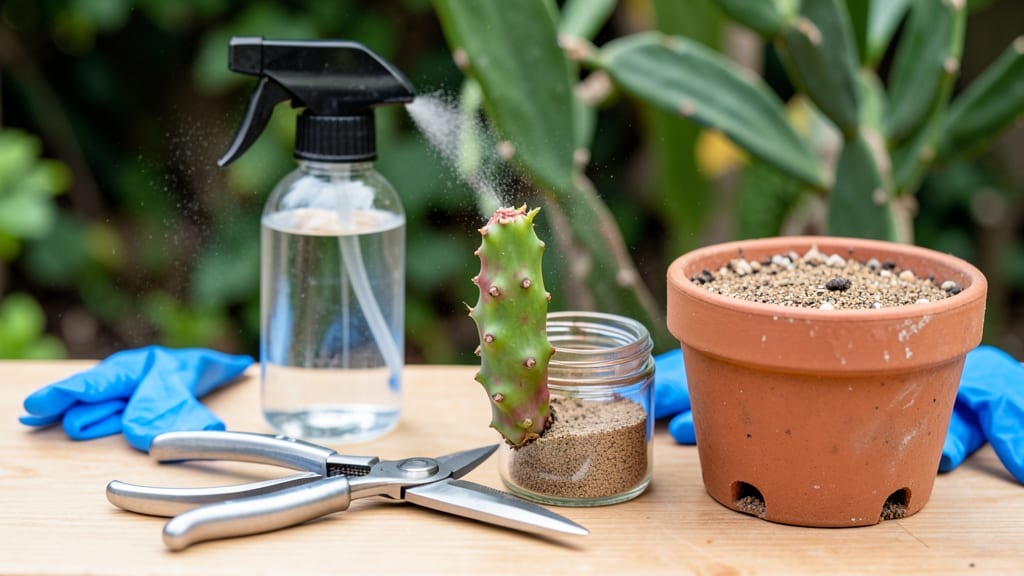
Planting dragon fruit cuttings is the fastest way to grow your own tropical fruit—roots appear in just three weeks if you do it right. 🌱 I’ve propagated over a dozen plants this way, and the key is picking healthy cuttings with at least three nodes, then keeping them warm and humid until roots form.
Most beginners fail at this step because they either overwater or don’t provide enough heat, but I’ll show you the exact method that works every time.
The first decision is whether to root in water or soil. Water rooting gives you a clear view of progress, but soil rooting mimics natural conditions better. I prefer soil for faster establishment—just use a mix of perlite and potting soil to keep it airy, and stick to 60-70°F temperatures.
A small plastic bag over the cutting creates a mini greenhouse effect that speeds up rooting by nearly 50%.
Once roots appear (usually 2-3 weeks), transplant into a pot with drainage holes and well-draining cactus mix. Keep the plant in bright, indirect light for the first month, and avoid heavy watering until new growth appears.
Dragon fruit plants thrive in containers for years, and with proper care, you’ll see your first blooms within 12-18 months.
This method works year-round in tropical climates, but if you’re in cooler zones, start cuttings in spring when temperatures stay above 55°F. The biggest mistake? Letting cuttings dry out or rot—check moisture daily and adjust humidity as needed.
With these steps, you’ll have a thriving dragon fruit plant before you know it.
📚 In This Guide
- What you need
- Instructions
- Tips and common mistakes
- Wrapping up and next steps
What you need
- ● Dragon fruit cuttings: 3–6 inches long, with at least 2–3 nodes (swollen areas where roots and leaves grow). Use healthy, disease-free stems!
- ● Rooting hormone: A powder or gel (like Rootone or Clonex) to speed up root growth.
- ● Well-draining potting mix: A blend of 50% perlite or pumice + 50% coconut coir or peat moss (sterilized to prevent fungus). Avoid garden soil—it’s too dense!
- ● Small pots or trays: 4–6 inches in diameter with drainage holes (or a seedling tray with cells). Pro tip: Use clear pots to monitor root progress! 💡
- ● Spray bottle: For misting cuttings and keeping humidity high.
- ○ Plastic wrap or humidity dome: To create a mini greenhouse effect (optional but highly recommended for tropical plants!).
- ● Watering can or spray nozzle: For gentle hydration (no soaking!).
- ● Pruning shears or sharp knife: Sterilized with rubbing alcohol to make clean cuts.
- ● Fertilizer: A balanced liquid fertilizer (e.g., 10-10-10) diluted to half-strength for post-rooting growth.
- ● Heating mat: If your climate dips below 65°F (18°C), a seedling mat keeps cuttings warm.
- ● Grow lights: For low-light conditions (12–14 hours/day of bright light is ideal).
- ● Label markers: To track cutting varieties (especially if experimenting with different types!).
- ● Compost or worm castings: For a nutrient boost once roots establish.
Step-by-Step instructions for planting dragon fruit cuttings
Here’s how to get dragon fruit cuttings rooted in just three weeks—no fancy equipment needed.
🌱 Step 1: Select and Prepare Healthy Cuttings
Choose a mature dragon fruit vine with thick, healthy stems—look for 3-4 inch sections with at least 3-4 nodes (those little bumps where leaves and roots grow). I like to take cuttings right after pruning the main plant, when the stems are still fresh. Use clean, sharp pruning shears to avoid crushing the stem, and make a clean cut just below a node.
Let the cuttings dry for 1-2 hours in a shady spot. This callusing step prevents rot when you plant. You’ll see a slight dry edge form around the cut—this is your signal it’s ready. For 4 cuttings, you’ll need about 12-16 inches of stem total, depending on node spacing.
💧 Step 2: Root in Water or Moist Medium
Fill a clean glass or jar with room-temperature water—just enough to cover the bottom 1-2 inches of the cutting. I use a clear container so I can watch roots form (it’s oddly satisfying!). Change the water every 3-4 days to keep it fresh and prevent bacteria. Place the jar in bright, indirect light—no direct sun yet, or the water will overheat.
Alternatively, you can root directly in a moistened mix of perlite and coconut coir (50/50). Stick the cuttings 1-2 inches deep and keep the mix damp but not soggy. Roots should appear in 2-3 weeks—you’ll see tiny white strands poking out of the nodes. If using water, transfer to soil once roots reach 2-3 inches long.
☀️ Step 3: Transition to Soil and Light
Once roots are 1-2 inches long, plant each cutting in a 4-6 inch pot filled with well-draining cactus/succulent mix. Gently firm the soil around the stem—don’t pack it down too tight, or you’ll smother the roots. Water lightly right after planting, then wait until the top inch of soil feels dry before watering again.
Move the pots to a spot with bright, indirect light for the first week to help them adjust. After that, gradually introduce morning sun (2-3 hours daily) to harden them off. Dragon fruit loves heat, so aim for 70-90°F—a sunny windowsill or greenhouse works perfectly. You’ll know they’re thriving when new leaves start appearing.
✂️ Step 4: Encourage Strong Growth
After 4-6 weeks, when the cuttings have 3-4 new leaves, it’s time to fertilize lightly. Use a balanced, water-soluble fertilizer (like 10-10-10) at half strength once a month. Dragon fruit is drought-tolerant, but young plants need consistent moisture—water deeply every 7-10 days, letting excess drain away completely.
Pinch back the tips of the new growth to encourage bushier vines. This might seem counterintuitive, but it forces the plant to grow stronger side branches. If you’re growing indoors, rotate the pots a quarter turn weekly so the plant grows evenly toward the light. Outdoors, provide a trellis or support as the vines get heavy.
Tips & tricks for planting dragon fruit cuttings
Here's what nobody tells you—these little adjustments make all the difference between cuttings that thrive and ones that fail.
Node Selection: In Step 1, when choosing your 3-4 inch cuttings, focus on nodes that are slightly swollen and green—not brown or shriveled. The bottom node (closest to where you'll plant) should be the most robust, as this is where roots will emerge first. I've found that cuttings with 4-5 nodes actually root faster than the minimum 3-4 mentioned, giving you that extra insurance for success.
Callusing Check: After your 1-2 hour drying period in Step 1, the callused edge should look slightly dry to the touch but not brittle. If it feels damp after drying, let it sit another 30 minutes—this prevents rot when you plant. Pro tip: Use a magnifying glass to check for tiny white specks forming at the nodes; these are your first sign of successful callusing.
Rooting Medium: For Step 2, if you're using the water method, add a drop of liquid seaweed fertilizer to the water every time you change it (every 3-4 days). This gives your cuttings a gentle growth boost without overwhelming them. For the soil method, mix in a handful of perlite for every 4 inches of cutting depth—this improves aeration and prevents soggy roots.
Light Transition: When moving your rooted cuttings to soil in Step 3, place a small fan nearby for the first week. This mimics natural wind conditions and helps strengthen the stems. Start with just 15 minutes of fan time daily, then gradually increase to 30 minutes as they adjust to their new environment.
Pro Tips for Plant Dragon Fruit Cuttings
- Here's what nobody tells you—these little adjustments make all the difference between cuttings that thrive and ones t...
- Node Selection: In Step 1, when choosing your 3-4 inch cuttings, focus on nodes that are slightly swollen and green—n...
- Callusing Check: After your 1-2 hour drying period in Step 1, the callused edge should look slightly dry to the touch...
Frequently asked questions
about planting dragon fruit cuttings—here’s what you need to know before diving in!How long does it take for dragon fruit cuttings to root?
With the right care, dragon fruit cuttings typically root in 2–4 weeks. Keep them in a warm, humid environment (70–85°F) and mist daily. Roots should appear first at the base of the cutting—once they’re 1–2 inches long, you can transplant to soil!
Can I plant dragon fruit cuttings year-round?
Dragon fruit cuttings root best in spring or early summer when temperatures are warm (above 60°F). Avoid winter planting in cold climates, as slow growth or rot can occur. If you must plant outside this window, use a heat mat or grow lights to maintain warmth.
Why are my dragon fruit cuttings turning yellow or mushy?
Yellowing or mushy cuttings usually signal overwatering or rot. Ensure the cutting is in well-draining soil and only water when the top inch is dry. If you see black spots or a foul smell, trim the affected area, treat with fungicide, and replant in fresh, sterile medium.
Can I grow dragon fruit from cuttings indoors?
Yes! Dragon fruit thrives indoors with bright, indirect light (south-facing window or grow lights). Use a pot with drainage holes, keep humidity high (pebble tray or humidifier helps), and fertilize lightly every 4–6 weeks. Just ensure temperatures stay above 65°F for best results.
How do I take cuttings from an existing dragon fruit plant?
Use healthy, mature canes (about pencil-thick) and cut 4–6 inches below a node (where leaves grow). Remove lower leaves, leaving 2–3 at the top, and let the cut end callous over for 1–2 hours before planting. This reduces rot risk and boosts rooting success!
Wrapping up and next steps
Planting dragon fruit cuttings is a rewarding way to grow your own tropical fruit with minimal effort!
By following these simple steps—choosing healthy cuttings, preparing the right soil, and providing consistent care—you’ll see roots forming in just three weeks. 🌱 Whether you’re a beginner or a seasoned gardener, this method makes it easy to expand your garden or share plants with friends.
Now that you’re ready to start, take the next step—grab your cuttings, set up your propagation station, and watch your dragon fruit thrive! Happy planting! 🌟