
Container Gardens
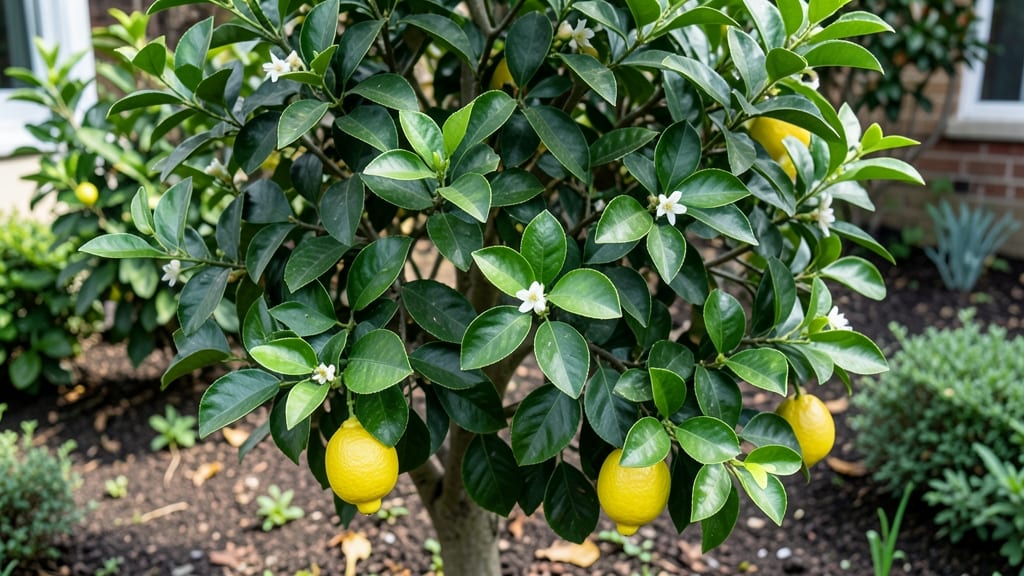
Growing fruit indoors isn't just possible—it's shockingly productive when you pick the right varieties. 🌱 My dwarf Meyer lemon tree now produces fruit year-round, and the secret lies in choosing compact plants that adapt to indoor conditions without losing their vigor.
The right setup turns any sunny window into a mini orchard where you can harvest fresh fruit even in winter.
You'll need just three essentials: a dwarf or patio fruit variety (like 'Albion' figs or 'Seascape' strawberries), a grow light if natural light is weak, and well-draining potting mix.
Most people overlook the soil—it needs to mimic outdoor conditions while preventing root rot, which is why I use a blend of cactus mix and perlite. The payoff comes in 3-6 months, when you're picking fruit that costs $10 per pound at the store.
What you end up with is fruit that tastes fresher than anything from the grocery store, with the added bonus of knowing exactly how it was grown. The plants stay compact enough for windowsills or countertops, and with proper pruning, they keep producing for years.
The first time I tasted a homegrown strawberry in January, I knew I'd never go back to store-bought again.
This works for any indoor space, from bright kitchens to north-facing apartments—just adjust your light setup. Here's how to get started with the varieties and techniques that actually deliver results, not just pretty foliage.
📚 In This Guide
- What you need
- Instructions
- Tips and common mistakes
- Wrapping up and next steps
What you need
- ● Compact fruit varieties: Choose dwarf or patio-friendly types like strawberries, dwarf citrus (e.g., Calamondin), cherry tomatoes, or figs (1-3 plants per container).
- ● Containers: 5-15 gallon pots with drainage holes (one per plant; larger for citrus). Terracotta or fabric pots work best.
- ● Potting mix: Well-draining, sterile mix (e.g., cactus/succulent blend or add perlite/pumice to regular soil). 1-2 bags per plant.
- ● Grow lights: Full-spectrum LED (12-16 hrs/day). 1-2 lights per 3 sq ft of space.
- ● Fertilizer: Balanced liquid fertilizer (10-10-10) or slow-release granules. Follow label rates.
- ○ Humidity tray or humidifier: Optional but helpful for citrus/strawberries (pebble tray + water works).
- ● Pruning shears (sterilized with rubbing alcohol).
- ● Spray bottle (for misting leaves).
- ● pH test kit (ideal range: 6.0–7.0 for most fruits).
- ● Support stakes or trellis (for vining plants like tomatoes).
- ● Pollination tool (small paintbrush to help self-pollinate).
- ● Harvest basket (for your future fruity rewards!).
How to grow compact fruits indoors for year-round harvests
Here's my go-to approach for growing fruit indoors—tested with dwarf varieties that deliver real harvests without taking over your space.
🌱 Step 1: Select the Right Varieties for Small Spaces
Not all fruit trees or plants thrive indoors, so focus on dwarf or patio varieties bred for containers. My top picks for beginners: dwarf Meyer lemon (4-6' mature height), bush dwarf apple (3-5'), or strawberry plants (spreading but contained). These stay compact enough for a sunny windowsill or grow light setup.
Check the plant's mature size tag before buying—some "dwarf" varieties still need 6+ feet of height and won't work indoors. I always opt for grafted dwarf trees because their rootstock is already stunted, making them easier to manage in pots. Avoid full-size varieties unless you're willing to prune aggressively every year.
🪴 Step 2: Choose Containers and Soil for Optimal Growth
Use 15-20 gallon containers for dwarf fruit trees—this gives roots enough room to establish without becoming root-bound too quickly. Terracotta pots help regulate moisture, but they dry out faster, so I use them for lemons. For strawberries, shallow hanging baskets or 12-inch pots work perfectly with good drainage.
Fill containers with a well-draining potting mix designed for citrus or fruit trees (never garden soil—it compacts and suffocates roots). I mix in 20% perlite or pumice to improve drainage and prevent soggy soil. The first watering should be thorough until water runs freely from the drainage holes, then let it drain completely before placing in its final spot.
☀️ Step 3: Position for Light and Temperature Consistency
Indoor fruit plants need 6-8 hours of bright, direct light daily. A south-facing window is ideal, but most homes don't have enough natural light, so I supplement with a full-spectrum LED grow light on a timer for 14-16 hours per day. Keep the light 6-12 inches above the plant and raise it as the plant grows.
Temperature matters just as much as light—most dwarf fruit trees thrive in 65-75°F during the day and no lower than 55°F at night. Avoid drafts from windows or vents, which can stress the plant. If your home runs cooler, a small space heater on low near the plant (not too close!) helps maintain consistent warmth.
💧 Step 4: Water and Fertilize for Healthy Growth
Water when the top 1-2 inches of soil feel dry—this prevents overwatering, which is the #1 killer of indoor fruit plants. I use the "finger test" daily: stick your finger in the soil. If it's dry past your first knuckle, it's time to water. For citrus, I water deeply until water runs from the bottom, then empty the saucer to prevent root rot.
Feed with a balanced, water-soluble fertilizer (10-10-10 or 20-20-20) every 4-6 weeks during the growing season (spring through fall). In winter, cut back to once every 8-12 weeks since growth slows. I always dilute fertilizer to half-strength to avoid burning tender roots. Watch for yellow leaves—this often means it's time to fertilize again.
✂️ Step 5: Prune and Train for Shape and Fruit Production
Prune in late winter or early spring to remove dead, crossing, or overcrowded branches. I use clean, sharp pruning shears to make cuts just above a leaf node or outward-facing bud. For dwarf trees, aim to maintain an open center shape so light reaches all branches—this encourages more fruit production.
Train young trees by gently tying branches to a small stake or trellis to guide their growth. This prevents leggy, weak stems that can't support fruit. For strawberries, pinch off the first few flowers to encourage stronger root and leaf growth before fruiting. Once established, you'll see more flowers and fruit on well-pruned plants within a few months.
Tips & tricks for perfect indoor fruit growth
Here's what nobody tells you about keeping your compact fruit plants thriving year-round.
Lighting Strategy: The 6-8 hours of direct light requirement is non-negotiable, but don't assume your south-facing window provides enough. I test light levels by placing a sheet of white paper under the plant—if you can't read text through the leaves' shadows, supplement with a grow light immediately. For the 14-16 hour grow light schedule, use a timer to automate this—consistent light cycles prevent leggy growth that weakens fruiting potential.
Temperature Fine-Tuning: While the 65-75°F daytime range works for most dwarf varieties, citrus like Meyer lemons actually prefer 70-75°F consistently. If your home fluctuates, place a small thermometer near the plant and adjust the space heater placement accordingly. The 55°F minimum at night is crucial—dropping below this can shock the plant and cause flower buds to drop before fruiting.
Soil Maintenance: The 20% perlite mix in Step 2 is your best friend for preventing soggy soil, but don't let it dry out completely between waterings. I've found that adding a 1-inch layer of coarse sand to the bottom of containers improves drainage even further. For strawberries specifically, I use hanging baskets with built-in water reservoirs to maintain consistent moisture without overwatering.
Pruning Payoff: When pruning in late winter, aim to remove about 20-25% of the plant's volume—this stimulates new growth that will bear fruit. For dwarf apples, I always keep the central leader (main stem) dominant by cutting back competing branches. The open center shape mentioned in Step 5 isn't just about aesthetics—it creates better air circulation that reduces fungal diseases, especially in humid indoor environments.
Pro Tips for Indoor Fruit Growing
- Here's what nobody tells you about keeping your compact fruit plants thriving year-round.
- Lighting Strategy: The 6-8 hours of direct light requirement is non-negotiable, but don't assume your south-facing window provides enough.
- Temperature Fine-Tuning: While the 65-75°F daytime range works for most dwarf varieties, citrus like Meyer lemons actually prefer 70-75°F consistently.
Frequently asked questions
Got questions about indoor fruit growing?
You’re not alone! Here are answers to common concerns to help you grow confidently—no green thumb required.
What are the easiest fruit plants to grow indoors?
Start with low-maintenance varieties like strawberries (ever-bearing types), dwarf citrus trees (e.g., Meyer lemon), or cherry tomatoes (bush varieties). These thrive in containers with consistent light and minimal fuss. Avoid high-maintenance fruits like figs or avocados unless you’re ready for extra care!
How much light do indoor fruit plants really need?
Most fruit plants need 6–8 hours of bright, indirect light daily. A south-facing window or a grow light (12–16 hours/day) works best. If leaves turn pale or leggy, your plant’s hungry for more light—consider supplementing with a LED grow bulb.
How long does it take for indoor fruit to ripen?
Timing varies! Strawberries may fruit in 3–6 months, while dwarf citrus can take 1–3 years to bear fruit. Patience pays off—consistent care (water, light, and fertilizer) speeds up the process. Track your plant’s progress with a small notebook for motivation!
Why aren’t my indoor fruit plants producing fruit?
Common culprits: lack of light, overwatering, or nutrient deficiencies. Check for yellowing leaves (overwatering) or brown edges (underwatering). Fruit plants also need pollination—gently shake flowers or use a small brush to transfer pollen if bees aren’t visiting.
Can I grow fruit indoors without a greenhouse?
Use containers with drainage, a self-watering system, and a grow light if natural light is limited. Even a sunny windowsill or basement with supplemental lighting works. Just pick compact varieties—no need for a full greenhouse!
Wrapping up and next steps
Indoor fruit growing isn’t just a trend—it’s a delicious, rewarding way to enjoy fresh produce anytime, anywhere! With the right compact varieties and a little care, you can turn your living space into a mini orchard.
Whether you’re a beginner or a seasoned gardener, the key is patience, light, and love—your future harvests will thank you!
Ready to take the next step? Start small with one or two plants, experiment with flavors, and let your indoor garden grow—literally and figuratively! 🌱