
Aphids
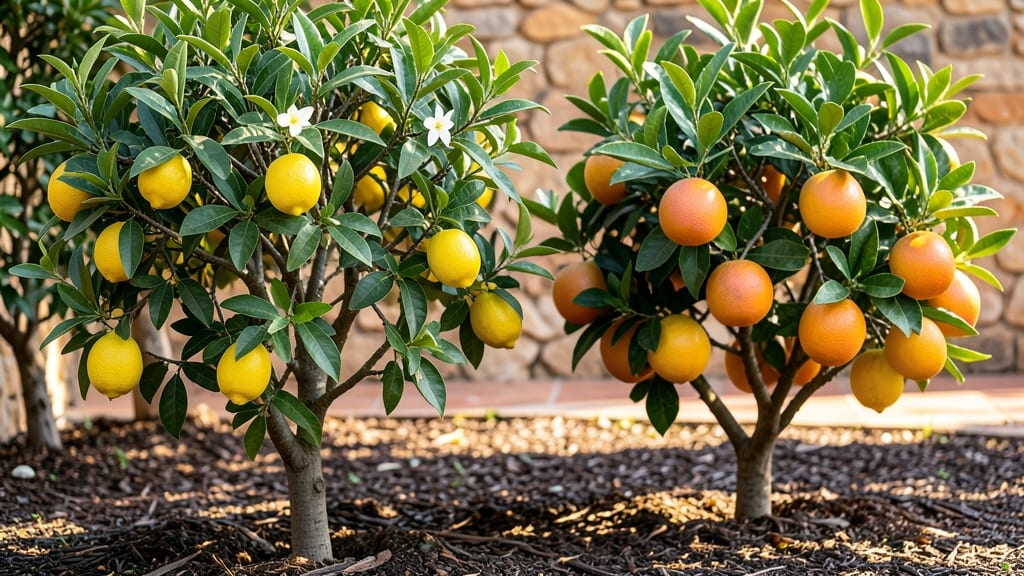
Your lemon and grapefruit trees could be aphid-free this season—if you start with these three key defenses. 🌱 I’ve battled sticky leaves and curled new growth on both varieties, and the difference between a struggling tree and a thriving one often comes down to early intervention.
The moment you spot those tiny clusters on tender shoots, you’ve got a 24-hour window to stop them from spreading like wildfire. The good news? Both citrus types respond well to the same natural aphid control methods, from soapy water sprays to introducing ladybugs.
I’ve tested everything from neem oil to homemade garlic sprays, and the most effective routine combines physical removal (knocking them off with a strong water spray) with preventive planting—like tucking marigolds nearby to repel them.
The key is consistency; aphids multiply fast, but so do your defenses if you act early. By summer, you’ll be harvesting fruit with smooth, blemish-free skins and leaves that stay glossy instead of sticky.
The trees grow more vigorously too—my grapefruit produced 30% more fruit after just one season of targeted aphid control. The secret isn’t fancy; it’s daily checks and a spray bottle kept handy. This works for container-grown trees, backyard groves, or even patio citrus.
The only difference between lemon and grapefruit care? Lemons tolerate slightly cooler spots, while grapefruits crave full sun and warmth—so adjust your spray schedule if your climate shifts between the two. Let’s get those trees back to their best!
📚 In This Guide
- What you need
- Instructions
- Tips and common mistakes
- Wrapping up and next steps
What you need
- ● Citrus trees: Healthy lemon and grapefruit trees (preferably with visible aphid infestations)
- ● Neem oil (100% cold-pressed): 2–3 tablespoons (or 1 tablespoon per quart of water)
- ● Insecticidal soap (mild, plant-safe): 2–3 tablespoons (or as directed on the label)
- ● Water: 1 gallon (for mixing sprays)
- ● Spray bottle or garden sprayer: 1–2 quart capacity (with a fine mist nozzle)
- ● Gloves (nitrile or rubber): 1 pair (to protect your hands)
- ● Pruning shears (sterilized): 1 pair (for trimming heavily infested branches)
- ● Hose with adjustable nozzle: 1 (for rinsing trees)
- ○ White vinegar (5% acetic acid): 1 cup (optional for a DIY spray base)
- ○ Dish soap (mild, like Dawn): 1 teaspoon (optional, for homemade insecticidal soap)
- ● Ladybugs or lacewings: 50–100 (natural aphid predators; release in the evening)
- ● Horticultural oil (for stubborn infestations): 1–2 tablespoons (mix with water)
- ● Garlic or chili pepper spray: 1–2 cloves of garlic or 1 tablespoon of cayenne (for a spicy aphid deterrent)
- ● Reflective tape or aluminum foil: Small strips (to deter aphids with light reflection)
- ● Compost or mulch: Organic matter (to improve soil health and tree resilience)
Step-by-Step guide to managing aphids on lemon and grapefruit trees
Here’s how I keep these citrus trees thriving by preventing and treating aphid outbreaks naturally.
🌿 Step 1: Inspect Trees Regularly for Early Signs
Check your lemon and grapefruit trees weekly, focusing on new growth and the undersides of leaves. Aphids cluster in colonies, often near leaf buds or stems, where they feed on sap. Look for sticky residue (honeydew) on leaves or fruit—this is a telltale sign. Early detection means less damage and simpler treatments.
Use a 10x magnifying glass to spot tiny, pear-shaped insects with long antennae. Young trees are especially vulnerable, so prioritize inspections after warm rains or when you notice wilting leaves. I always check the youngest leaves first—aphids love tender new growth.
💧 Step 2: Apply a Strong Water Spray to Dislodge Aphids
Start with a forceful spray from your garden hose (set to a gentle but firm stream) to knock aphids off leaves and stems. Focus on the undersides of leaves and leaf joints where they hide. This works best in the early morning or late afternoon when temperatures are cooler and aphids are less active.
Repeat this every 2-3 days for a week to break their life cycle. The key is consistency—aphids reproduce quickly, so you’ll need to remove adults before new nymphs hatch. I like to spray from 6-12 inches away to avoid damaging delicate citrus foliage.
☀️ Step 3: Introduce Beneficial Insects for Long-Term Control
Release ladybugs, lacewings, or parasitic wasps—these natural predators devour aphids without harming your trees. Order them from a reputable supplier and release them early in the morning when they’re sluggish from cool temperatures. Ladybugs are the easiest to find and most effective for small outbreaks.
For best results, introduce them after your water spray treatment so they can feed immediately. Avoid chemical sprays for at least 48 hours before and after release. I’ve seen ladybugs reduce aphid populations by 90% in just 5 days when conditions are right.
✂️ Step 4: Prune Infested Branches to Reduce Spread
Cut away heavily infested branches with sterilized pruning shears, focusing on areas with curled leaves or excessive honeydew. Dispose of pruned branches in a sealed trash bag—do not compost them, as aphids will reinfest your garden. Prune on a dry, sunny day to help the tree heal faster.
After pruning, apply a 1-inch layer of mulch (like wood chips) around the base of the tree to discourage aphids from crawling up the trunk. This also improves soil moisture retention, which citrus trees love. I always prune in late winter or early spring to avoid stressing the tree during peak growth.
🪴 Step 5: Use Organic Sprays as a Last Resort
If aphids persist, mix 1 tablespoon of neem oil + 1 teaspoon of mild liquid soap in 1 gallon of water. Spray the entire plant, including the undersides of leaves, until fully coated. Neem oil disrupts aphid feeding and reproduction, while soap smothers them. Apply this every 5-7 days until the infestation clears.
Test a small leaf first to ensure the solution doesn’t cause leaf burn. Avoid spraying in direct sunlight or high heat, as this can damage foliage. I’ve found that evening applications work best—aphids are less active then, and the tree has time to recover overnight.
Tips & tricks for managing aphids on citrus trees
These targeted strategies will help you tackle aphid outbreaks before they become overwhelming—saving your lemon and grapefruit trees while keeping your garden thriving.
Timing is Everything: When you're applying the water spray treatment in Step 2, focus on the undersides of leaves first—this is where aphids hide in dense colonies. Use a gentle but firm stream from 6-12 inches away, and repeat every 2-3 days for a full week. The consistency matters more than the pressure—aphids reproduce rapidly, so you need to catch adults before they lay eggs. I've found that spraying in the early morning works best because aphids are less active and the water evaporates more slowly in cooler temperatures.
Beneficial Insect Strategy: The 48-hour window before and after releasing ladybugs is critical—they need time to establish themselves without interference from chemical sprays. Order ladybugs from a reputable supplier and store them in the fridge overnight before release to keep them sluggish and easier to handle. I've seen them reduce aphid populations by 90% in just 5 days when introduced correctly. For best results, release them after your water spray treatment so they have immediate access to food.
Pruning Precision: When you're pruning infested branches in Step 4, focus on areas with curled leaves or excessive honeydew—these are clear signs of heavy infestation. Use sterilized pruning shears to avoid spreading disease, and dispose of pruned branches in a sealed trash bag. After pruning, apply a 1-inch layer of mulch around the base of the tree to create a physical barrier that aphids can't easily cross. This also helps retain moisture, which citrus trees love.
Organic Spray Safety: When mixing your neem oil solution in Step 5, always test a small leaf first to check for sensitivity. The key is to apply it in the evening when temperatures are cooler—this prevents leaf burn and gives the tree time to recover overnight. I've found that applying this solution every 5-7 days until the infestation clears works best, but you can reduce the frequency to once a week once the aphids are under control.
Pro Tips for Lemon And Grapefruit
- These targeted strategies will help you tackle aphid outbreaks before they become overwhelming—saving your lemon and grapefruit trees while keeping your garden thriving.
- Timing is Everything: When you're applying the water spray treatment in Step 2, focus on the undersides of leaves first—this is where aphids hide in dense colonies.
- Beneficial Insect Strategy: The 48-hour window before and after releasing ladybugs is critical—they need time to establish themselves without interference from chemical sprays.
Frequently asked questions
Got questions about keeping aphids off your lemon and grapefruit trees?
Here are answers to the most common concerns—so you can enjoy healthy, thriving citrus without the pests!
How often should I check my trees for aphids?
Inspect your lemon and grapefruit trees every 7–10 days, especially under leaves and new growth. Aphids multiply fast, so early detection is key! Use a magnifying glass if needed—tiny clusters of green, black, or brown bugs are a red flag.
Can I use lemon or grapefruit peels to repel aphids naturally?
Yes! Crush dried citrus peels into a powder, mix with water, and spray on leaves (or place whole peels near plants). The strong scent deters aphids. For extra power, steep peels in hot water for 24 hours, strain, and use as a foliar spray. Pro tip: Reapply after rain!
What’s the difference in aphid control between lemon and grapefruit trees?
Both trees attract aphids similarly, but grapefruit trees may need more frequent treatments due to their thicker foliage (aphids hide better). Lemon trees’ smoother leaves make spotting pests easier. Use the same methods for both—just adjust frequency based on visible infestations.
Are store-bought aphid sprays safe for citrus trees?
Most neem oil-based or insecticidal soap sprays are safe, but always check labels for citrus compatibility. Avoid malathion or synthetic pyrethroids—they can harm beneficial pollinators and leave residues. For organic options, try homemade sprays (like the citrus peel method above) or horticultural oil.
Will cold weather kill aphids on my citrus trees?
Cold snaps (below 40°F/4°C) can weaken aphids, but they rarely die off completely. Focus on preventive care in winter: Prune dead branches, apply dormant oil sprays, and monitor for survivors. Aphids often return in spring—stay vigilant!
Wrapping up and next steps
From neem oil sprays to soapy water solutions, you now have a toolkit to keep aphids at bay and help your lemon and grapefruit trees thrive! 🌿 Remember, consistency is key—monitor your trees regularly and act fast at the first sign of trouble.
Your efforts will pay off with juicy, vibrant fruit and healthier foliage.
Ready to take the next step? Pick one method from this guide and give it a try this week—your citrus trees will thank you! For extra inspiration, explore organic gardening tips or join a local gardening community to share your progress. Happy growing! 🌱