
Aphids
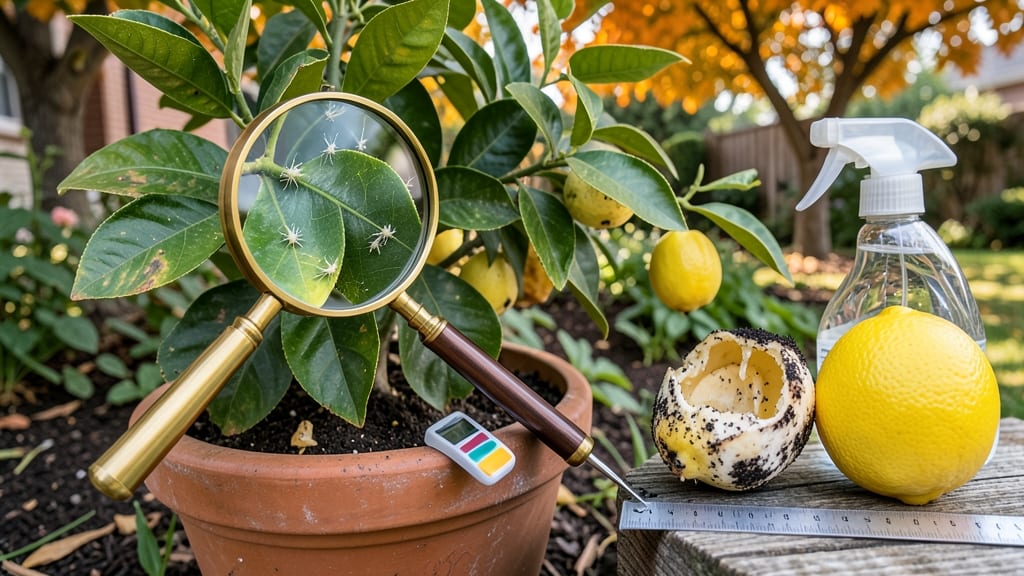
Lemon fruit problems like aphids or rot can turn your golden harvest into a sad sight—until you know the precision pull technique that cleans up fruit in minutes. 🌿 I’ve seen citrus trees go from infested to flawless using this method, and it’s easier than you’d think.
The key is acting fast when you spot sticky residue, holes in leaves, or mushy spots on fruit.
Blossom drop, fruit rot, and aphid clusters all share one thing: they’re preventable with the right timing. Aphids leave behind a sticky mess that attracts sooty mold, while rot starts with tiny cracks or overwatered soil.
My trees stay spotless by checking fruit every 7-10 days during peak season—just a quick visual sweep while harvesting.
You’ll end up with shiny, blemish-free lemons that taste even sweeter because they’re free of pests and disease. The method works for limes and oranges too, and it’s so simple you’ll wonder why you didn’t try it sooner.
No harsh chemicals, just a targeted approach that keeps your citrus looking (and tasting) perfect.
Works in any climate where lemons grow, from coastal California to Florida backyards. Here’s how to spot the early signs and fix them before they spread—your next harvest will thank you.
Root Causes of Lemon Fruit Woes
Understanding why your lemons develop problems—whether it’s unsightly blemishes, stunted growth, or pest infestations—starts with uncovering the hidden triggers lurking in their environment, genetics, or care routine. Aphids, fungal infections, nutrient deficiencies, and even improper harvesting can turn your once-vibrant citrus into a sad, spotted mess.
Let’s break down the real culprits behind these issues, so you can tackle them like a pro.
Aphids are tiny, soft-bodied insects that thrive on lemon trees, feeding on sap and leaving behind a sticky residue called honeydew.
This residue attracts mold (like sooty mold) and weakens the tree, leading to: - Stunted growth (aphids drain nutrients) - Curling or yellowing leaves (plant stress response) - Black, crusty mold on fruit and leaves (from honeydew fermentation)
Why it happens: Aphids are drawn to new growth because it’s tender and nutrient-rich. They reproduce rapidly in warm, humid conditions (think spring or summer). If your lemon tree is already stressed—from drought, overwatering, or poor soil—aphids see it as an all-you-can-eat buffet.
🔍 Pro Tip: Check the undersides of leaves and new shoots first. Aphids love to hide there!
Fungal diseases like citrus scab (Elsinoë fawcettii) or melanose cause dark, sunken spots on lemon fruit. These fungi thrive in wet, humid conditions and can spread via:
- Splashing water during irrigation
- Contaminated tools or hands
- Overcrowded trees (poor airflow = fungal paradise)
Why it happens: Fungi spores lie dormant in soil, old plant debris, or even on healthy-looking fruit. When conditions are right—high humidity (above 75%) + warm temps (70–85°F)—they wake up and infect your lemons. Poor drainage or overhead watering (like sprinklers) turns your tree into a fungal hotspot.
💡 Quick Fix: Space trees for airflow and water at the base (never the leaves).
Lemons are nutrient hogs, and when they don’t get enough key minerals, problems like:
- Yellow leaves (iron or nitrogen deficiency)
- Small, hard fruit (calcium or phosphorus lack)
- Blossom end rot (calcium deficiency in developing fruit)
Why it happens:
- Iron chlorosis (yellow leaves with green veins) often strikes in alkaline soil (pH >7.0), where iron becomes locked and unavailable.
- Calcium deficiencies occur when roots can’t absorb enough due to drought stress or overwatering (which dilutes nutrients).
- Nitrogen starvation leads to weak growth because nitrogen is the building block of leaves and fruit.
📊 Soil Test Tip: Use a home soil test kit to check pH and nutrient levels. Lemons prefer slightly acidic soil (pH 6.0–7.0).
Even if your lemons look perfect on the tree, rough handling during harvest can cause:
- Surface bruising (from dropping or squeezing)
- Skin splitting (overripe fruit handled carelessly)
- Premature softening (ethylene gas release from damage)
Why it happens: Lemon peels are thin and delicate, especially when ripe. Harvesting during peak heat (when fruit is softer) or using dull tools increases damage risk. Even vibrations from machinery (if you’re in a commercial setting) can trigger internal breakdown.
👨🍳 Gentle Handling Rule: Always twist gently to detach fruit or use clean, sharp pruners—never pull or yank!
Lemons are tropical at heart but can suffer when conditions swing too extreme:
- Sunburn spots (white or brown patches) from intense afternoon sun (especially in hot climates).
- Cold damage (blackened or mushy fruit) from frost or sudden temperature drops below 28°F.
- Heat stress (small, bitter fruit) when temps stay above 95°F for weeks.
Why it happens: Lemon trees can’t regulate their own temperature, so they rely on shade and proper watering. Reflective surfaces (like white walls) or thin bark on young trees make them sunburn-prone. Meanwhile, cold snaps freeze cell structures, causing irreversible damage.
✨ Shade Solution: Use light shade cloth (30–50%) in peak summer or mulch heavily to protect roots from temperature swings.
While aphids steal the spotlight, other pests contribute to lemon problems:
- Citrus leaf miners (larvae burrow into leaves, causing white trails and weak growth).
- Scale insects (armored pests that suck sap, leaving sticky residue).
- Thrips (tiny insects that cause silver streaks on fruit).
Why it happens: These pests target stressed trees—just like aphids. They spread via wind, birds, or contaminated tools, and once established, they multiply exponentially in warm, dry conditions.
🔥 Early Detection: Inspect new leaves and fruit weekly. A hand lens helps spot tiny eggs or larvae before they become a full-blown infestation.
Quick fixes for lemon tree aphid woes
If your lemon tree is under siege by aphids, don’t panic—these tiny pests may be small, but they’re easy to evict with the right tactics. Below, we’ve mapped out practical, fast-acting solutions tailored to the root causes of your lemon fruit problems.
Whether it’s sticky residue, curled leaves, or stunted growth, we’ve got you covered. Plus, we’ll share prevention tips to keep aphids from crashing your citrus party again.
Problem: Soft, tender shoots and buds are aphid buffets, attracting colonies that sap nutrients and distort leaves. Fix:Start with a direct attack to disrupt their feeding frenzy:
- 💦 Blast Them Off: Use a strong stream of water (from a hose or spray bottle) to physically knock aphids off leaves and stems. Do this early in the morning to avoid shocking the plant.
- 🧼 Soap It Up: Mix 1 tablespoon of mild liquid dish soap (like Dawn) with 1 quart of water. Spray both sides of leaves and new growth until dripping. The soap smothers aphids and disrupts their waxy coating. Reapply every 3–4 days until they’re gone.
- 🌿 Neem Oil Rescue: Combine 1 teaspoon neem oil, 1 teaspoon mild soap, and 1 quart of water. Shake well and spray all leaf surfaces, focusing on aphid hotspots. Neem oil disrupts their life cycle and deters future infestations. Apply at dusk to avoid harming beneficial insects.
⏳ Timeframe: You’ll see improvement in 3–5 days with consistent treatment.
Problem: Aphids excrete honeydew, which attracts sooty mold and ruins your lemons’ shine and flavor. Fix:Tackle the sticky mess and the pests causing it:
- 🧽 Cleanse the Fruit: Dip a soft cloth or sponge in a mix of 1 part water + 1 part white vinegar. Gently wipe down lemons to remove honeydew. Avoid scrubbing too hard—lemons have thin skins!
- 🐝 Introduce Predators: Release ladybugs or lacewings (available at garden centers) near your tree. These natural aphid hunters will devour colonies in 1–2 weeks.
- 🌿 Prune and Dispose: Trim heavily infested leaves or shoots and drop them in a sealed trash bag (not your compost!). This removes aphid hiding spots and breaks their life cycle.
💡 Pro Tip: Place yellow sticky traps near your tree to lure adult aphids away from your lemons.
An ounce of prevention is worth a pound of cure—especially when dealing with aphids. Here’s how to keep your lemon tree aphid-free long-term:
| Prevention Step | How to Do It |
|---|---|
| 🌱 Healthy Soil = Strong Defense | Test your soil’s pH (ideal: 6.0–7.0 for lemons). Amend with compost or aged manure to boost nutrients. Healthy trees resist pests better! |
| 💧 Water at the Roots | Avoid wetting leaves—aphids love damp foliage. Water deeply at the base in the early morning to reduce humidity around leaves. |
| 🌿 Companion Planting | Plant marigolds, basil, or garlic nearby. These repel aphids with their strong scents and attract beneficial insects. |
| 🔍 Weekly Inspections | Check new growth and undersides of leaves every 7–10 days. Catch aphids early before they become a full-blown problem. |
✨ Bonus: Spray your tree with a garlic or chili pepper spray (1 crushed garlic clove + 1 tsp cayenne + 1 quart water) monthly as a natural deterrent.
With these targeted fixes, your lemon tree will be back to thriving in no time—and those aphids won’t stand a chance! 🍋✨
Frequently asked questions
Why are my lemon fruits dropping before they ripen?
Blossom drop or premature fruit fall usually happens due to nutrient deficiencies, extreme temperatures, or poor pollination. Check for yellow leaves (iron deficiency) or small, hard fruit (calcium lack). Hand-pollinate flowers with a soft brush if bees aren't visiting, and avoid watering during blooming season.
What causes black spots or mold on my lemons?
Those spots are likely fungal infections like melanose or citrus scab, thriving in humid conditions. Prune for better airflow, water at the base (not leaves), and apply copper fungicide if spots spread. Remove heavily infected fruit immediately to prevent spread.
How do I get rid of sticky residue on my lemons?
That sticky mess is honeydew from aphids or scale insects. Wipe lemons with a damp cloth soaked in 1:1 water-vinegar mix, then treat the tree with insecticidal soap or neem oil. Place yellow sticky traps nearby to catch adult pests and break their life cycle.
Can I still use lemons with surface damage?
Yes! Surface damage (like minor bruising or sunburn) doesn’t affect taste or safety. Just wash thoroughly and peel if needed. However, avoid lemons with deep cracks or mold—these may harbor bacteria. Overripe fruit with soft spots should be composted.
Why are my lemon leaves turning yellow?
Yellow leaves usually indicate iron deficiency (chlorosis) or overwatering. Test your soil (lemons prefer pH 6.0–7.0) and amend with chelated iron if needed. Water only when the top 2 inches of soil are dry—citrus hate soggy roots.