
Fertilization
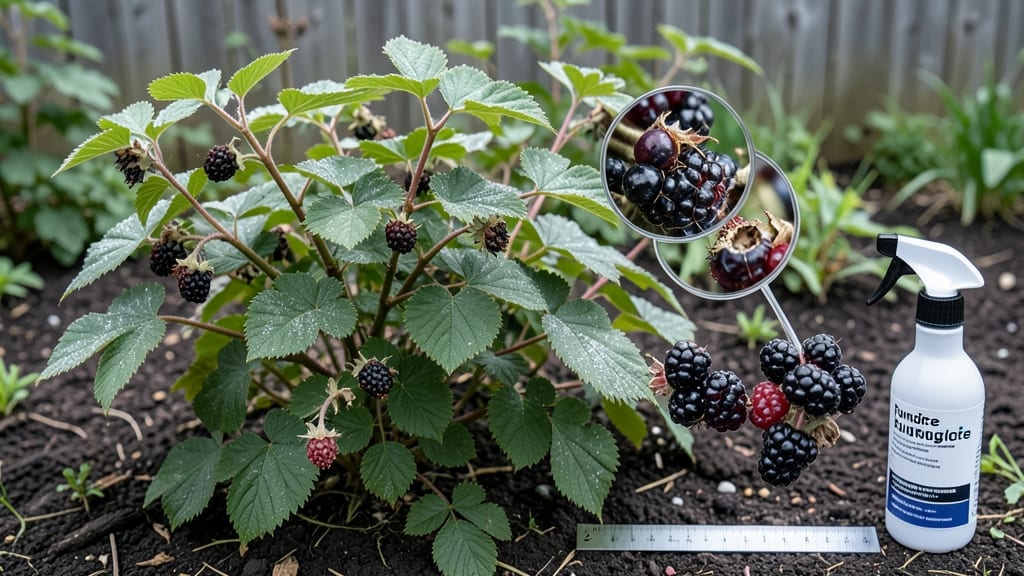
Blackberry fruit problems can turn your thriving bushes into a frustrating mess—unless you know what’s really going wrong. 🌿 I’ve seen cracked berries, moldy clusters, and tiny harvests after heavy pruning, and the fixes aren’t as obvious as you’d think.
The key is spotting symptoms early, whether it’s rain-split fruit or pests stealing your yield before it ripens.
Most issues start with water or nutrition—too much rain causes cracking, while poor soil weakens plants and invites mold. I’ve fixed both by adjusting irrigation (drip systems work best) and feeding bushes with a balanced fertilizer in early spring.
The goal? Strong canes that resist stress and produce fruit that stays intact until harvest.
You’ll learn to recognize the subtle signs of bird damage, fungal infections, or nutrient deficiencies—each has a different solution. For example, cracked berries need shade cloth during heavy rains, while mold thrives in damp foliage and needs pruning for airflow.
With these fixes, your bushes will go from struggling to producing plump, disease-free berries in just one season.
Works for both thornless and traditional varieties, and the techniques scale from backyard patches to larger plantings. Let’s get those berries back on track—without losing your patience (or your harvest).
Root Causes Behind Blackberry Woes
Blackberries are resilient plants, but they’re not immune to trouble—especially when it comes to fruit production. Understanding the why behind common blackberry problems helps you take precise action. Below, we break down the key culprits affecting your harvest, from environmental stressors to cultural mistakes.
---
Blackberries thrive in well-draining, nutrient-rich soil with a slightly acidic pH (5.5–6.5).
When soil lacks essential nutrients or is too alkaline, fruit development stalls, leading to: - Small, underdeveloped berries (due to nitrogen deficiency) - Blind shoots (no fruit formation, caused by low phosphorus or potassium) - Yellowing leaves (iron or magnesium deficiency, often in alkaline soils)
Why it happens: - Overworked or depleted soil exhausts nutrients after repeated harvests. - Improper fertilization (e.g., too much nitrogen without balancing P/K) shifts energy toward leafy growth instead of fruit. - Compacted or waterlogged soil restricts root access to nutrients and oxygen.
Actionable fix: Test your soil (DIY kits or lab analysis) and amend with compost, organic matter, or a balanced fertilizer (10-10-10 or 5-10-10 for fruiting plants). For acidic soils, add sulfur or peat moss; for alkaline soils, use elemental sulfur or pine needles.
---
Blackberries are sensitive to extreme temperatures and water fluctuations, which can trigger: - Blossom drop (flowers fall off before fruiting, often due to late frosts or heat stress above 90°F). - Sunburnt berries (white or gray patches from intense midday sun). - Cracked or split fruit (rapid water uptake after drought, causing cells to burst).
Why it happens: - Late spring frosts (below 28°F) damage flower buds before they open. - Heatwaves disrupt pollination (bees avoid high temps) and cause berry sunscald. - Inconsistent watering leads to irregular fruit growth—too much water swells berries unevenly; too little stunts them.
Actionable fix: - Protect from frost with row covers or drip irrigation (running water releases heat). - Mulch heavily (straw or wood chips) to retain moisture and regulate soil temp. - Water deeply 1–2 times per week (1–1.5 inches) and avoid wetting leaves to prevent fungal issues.
---
Blackberries are magnets for pests and pathogens, which can: - Stunt fruit growth (e.g., spider mites sap nutrients, Japanese beetles chew flowers). - Cause rot or deformities (e.g., fruit rots from Botrytis cinerea or Rhizopus). - Weak the plant (e.g., blackberry rosette virus, spread by mites, leads to stunted, misshapen berries).
Why it happens: - Overcrowded canes create humid microclimates, favoring fungal spores. - Lack of pruning leaves old, diseased canes that harbor pests. - Poor sanitation (leaving fallen fruit or debris) spreads pathogens.
Actionable fix: - Prune aggressively in late winter to improve airflow and remove infected canes. - Use row covers early in the season to block pests like thrips and beetles. - Apply organic fungicides (neem oil, copper spray) at first signs of mold (gray fuzzy growth = Botrytis). - Monitor for mites (tiny webs on undersides of leaves) and treat with horticultural oil.
--- Blackberries rely on bees and wind for pollination. If pollination fails, you’ll see: - Small, seedy berries (under-pollinated flowers). - Berries that drop early (poor fertilization). - Uneven ripening (some clusters fully developed, others not).
Why it happens: - Pesticide use (neonicotinoids) kills bees or repels them. - Poor weather (rainy or windless days) limits bee activity. - Self-incompatible varieties (some blackberries need cross-pollination).
Actionable fix: - Plant bee-friendly flowers (lavender, clover) nearby to attract pollinators. - Avoid spraying pesticides during bloom (or use bee-safe options like pyrethrin). - Hand-pollinate (gently shake canes or use a paintbrush to transfer pollen) if bees are scarce.
--- Blackberries produce fruit on new growth (primocanes) and second-year canes (floricanes).
If pruning is neglected: - Too many canes compete for nutrients, leading to small, weak berries. - Old, unpruned canes produce fewer flowers or blind shoots (no fruit). - Improper timing (pruning at the wrong season) shocks the plant.
Why it happens: - Lack of winter pruning leaves a tangle of unproductive wood. - Summer pruning (after harvest) removes next year’s fruit-bearing canes. - Over-thinning reduces the plant’s energy reserves.
Actionable fix: - Prune in late winter (before buds swell): - Remove dead, diseased, or weak canes. - Keep 6–8 of the strongest floricanes (for fruit this year) and 4–6 primocanes (for next year). - Use clean, sharp shears to avoid spreading disease.
--- Blackberries are sensitive to herbicides, especially glyphosate (Roundup) and 2,4-D. Symptoms include: - Stunted growth or deformed leaves. - Berries that fail to develop (hormone disruption). - Dieback (blackened, crispy canes).
Why it happens: - Accidental overspray from lawn treatments drifts onto plants. - Residual herbicide in soil from past applications. - Misidentification (treating weeds near blackberries with non-selective herbicides).
Actionable fix: - Test soil for herbicide residues if growth stalls. - Use vinegar-based or corn gluten meal for organic weed control. - Keep a 3-foot buffer between blackberries and lawns treated with herbicides.
Quick Fixes for Blackberry Troubles
Blackberries are a gardener’s delight—until something goes wrong! Whether your berries are shriveled, moldy, or failing to ripen, these practical solutions will help you diagnose and correct common issues. Below, we’ve mapped the most frequent blackberry fruit problems to their fixes, along with prevention tips to keep your harvest thriving.
---
If your blackberries stay red but never turn deep black or soften, the issue is often tied to light, water, or nutrient deficiencies.
#### 🔥 Fix It: - Increase sunlight exposure 🌞 - Blackberries need 6–8 hours of direct sunlight daily.
If your plants are shaded, prune nearby trees or relocate them to a sunnier spot. - Pro tip: 💡 Use reflective mulch (like white gravel) to bounce extra light onto plants in partial shade.
- Adjust watering habits 💦 - Overwatering delays ripening by causing root stress. Water deeply 1–2 times per week (depending on climate) and ensure soil drains well. - Underwatering? Add 2–3 inches of mulch (straw or wood chips) to retain moisture and cool roots.
- Fertilize for maturity 🌱 - Apply a balanced fertilizer (10-10-10) at the start of the season, then switch to a low-nitrogen, high-phosphorus (5-10-10) formula when flowers appear to encourage fruiting. - Warning: 🚨 Avoid high-nitrogen fertilizers—they promote leafy growth but delay fruit development.
#### 🛡️ Prevention: - Prune old canes in late winter to redirect energy to new, productive growth. - Harvest early if ripening stalls—green berries still pack nutrients and can be used in jams or sauces.
---
Tiny, hard, or shriveled blackberries usually mean poor pollination, pest damage, or nutrient starvation.
#### 🐝 Fix It: - Hand-pollinate if needed 🐝 - Blackberries are self-pollinating, but wind or rain can disrupt pollen transfer. On cloudy days, gently shake plants or use a soft paintbrush to transfer pollen between flowers.
- Combat pests early 🐜 - Spider mites, aphids, or thrips suck sap, causing berries to shrivel. Spray plants with neem oil or insecticidal soap weekly during outbreaks. - Quick fix: 💦 Blast off pests with a strong hose spray in the morning.
- Feed for fruit plumpness 🍇 - Calcium deficiency leads to small, hard berries.
Side-dress with crushed eggshells or lime (1 tbsp per plant) to boost calcium. - For potassium, use wood ash (1 cup per plant) or a banana peel tea (steep peels in water for 24 hours, then water plants).
#### 🛡️ Prevention: - Plant companion flowers (like marigolds or nasturtiums) to attract pollinators. - Avoid over-fertilizing with nitrogen—it diverts energy from fruit development.
---
Gray mold (Botrytis cinerea), fruit rot, or bacterial issues can turn your blackberries into a mushy mess.
#### 🧼 Fix It: - Prune for airflow 🌬️ - Crowded canes trap moisture, inviting mold. Remove 1/3 of old canes annually and thin new growth to let air circulate.
- Prevent fungal spread 🍄 - Remove infected berries immediately and dispose of them in the trash (not compost). - Apply copper fungicide (like Bordeaux mixture) before flowering and after harvest for prevention.
- Adjust watering techniques 💧 - Water at the base (not overhead) to keep leaves dry. Use drip irrigation to avoid wetting foliage. - Emergency fix: 🌡️ If mold appears, spray with a baking soda solution (1 tsp baking soda + 1 quart water + a drop of dish soap).
#### 🛡️ Prevention: - Space plants 3–4 feet apart to reduce humidity around canes. - Harvest berries promptly—overripe ones attract pests and disease.
---
If your blackberries vanish before ripening, birds, raccoons, or squirrels are likely the culprits.
#### 🦜 Fix It: - Install netting 🪢 - Cover plants with fine bird netting (1/2-inch mesh) as flowers appear. Secure edges tightly to deter critters. - Pro tip: ✨ Hang old CDs or aluminum pie plates from branches—they reflect light and scare off birds.
- Harvest frequently ⏰ - Pick berries every 2–3 days to stay ahead of wildlife. Use tall ladders or pruners to reach high clusters.
- Natural deterrents 🌿 - Plant thorny roses or barberry bushes nearby—wildlife prefers easier snacks! - Sprinkle hot pepper flakes around the base (reapply after rain).
#### 🛡️ Prevention: - Train plants upward on trellises to make them harder for ground-dwelling animals to reach. - Harvest at dawn when birds are less active.
---
If your blackberries bloom but drop flowers, they lack the energy to develop fruit.
#### 🌿 Fix It: - Prune correctly ✂️ - Remove "Y" branches (where two canes grow from one point)—they compete for nutrients. - Keep 6–8 of the strongest canes per plant to maximize fruit production.
- Fertilize for fruiting 🍽️ - Switch to a fruit-specific fertilizer (like 5-10-10) after flowering to support berry development. - Avoid fresh manure—it can burn roots and reduce fruiting.
- Check for stress 🌡️ - Extreme heat or drought causes flower drop. Mulch heavily and water deeply during dry spells.
#### 🛡️ Prevention: - Plant blackberries in well-draining soil with a pH of 5.5–6.5 (test with a soil kit). - Avoid over-pruning—never remove more than 1/3 of canes in one season.
---
| Problem | Quick Fix | Prevention Tip | |---------------------------|----------------------------------------|----------------------------------------| | Berries not ripening | More sun, balanced fertilizer | Prune old canes annually | | Shriveled/small berries | Hand-pollinate, neem oil spray | Plant pollinator-friendly flowers | | Moldy/rotting berries | Copper fungicide, improve airflow | Water at the base, harvest promptly | | Wildlife theft | Bird netting, harvest frequently | Train plants upward on trellises | | Poor fruit set | Prune correctly, switch fertilizer | Test soil pH, avoid over-pruning |
--- With these fixes, your blackberry bushes should bounce back stronger—and you’ll soon be enjoying juicy, plump berries instead of problems! 🍇✨
Frequently asked questions
Why do my blackberries split open when it rains?
Split berries happen when rapid water absorption causes cells to burst. This typically occurs after a dry spell followed by heavy rain. To prevent it, maintain consistent moisture with 1-1.5 inches of water per week and use drip irrigation to avoid sudden soil saturation. Mulching with straw also helps regulate moisture levels.
How can I tell if my blackberries have mold instead of ripening normally?
Look for fuzzy gray growth (Botrytis) or water-soaked spots on berries. Unlike normal ripening, moldy berries will feel mushy when gently squeezed and may have a white powdery coating. Remove affected berries immediately and improve airflow by pruning crowded canes. Apply copper fungicide as a preventive measure during wet seasons.
What should I do if birds keep eating my blackberries before they ripen?
Install fine bird netting (1/2-inch mesh) over the plants as flowers appear, securing edges tightly. For existing problems, try reflective deterrents like old CDs hung from branches. Harvest berries every 2-3 days and consider planting thorny companion plants like roses to make access difficult for wildlife.
Can I still use blackberries that have started to rot?
Yes, but only for cooking! Remove any moldy portions first. Ripe blackberries with minor rot can be used in jams, pies, or smoothies where the heat will kill any pathogens. For fresh eating, discard any berries showing signs of mold or significant softening, as these may harbor harmful bacteria.
Why do some of my blackberries stay small and hard while others ripen normally?
This usually indicates poor pollination or nutrient deficiencies. Try hand-pollinating on cloudy days by gently shaking plants or using a paintbrush. Check for calcium deficiency (crushed eggshells help) and ensure proper fertilization with a low-nitrogen, high-phosphorus formula during fruiting season.