
Fertilization
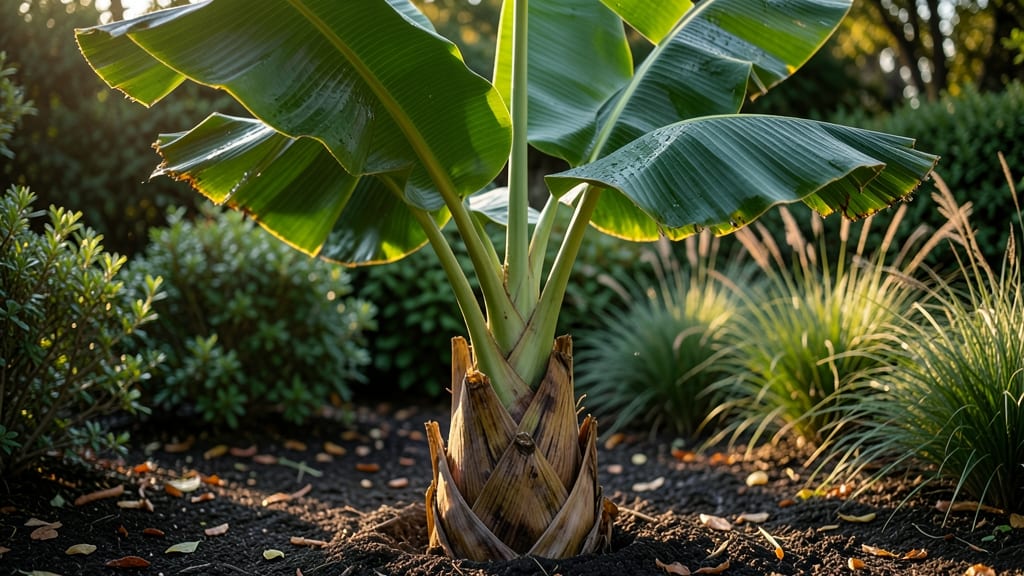
Growing Musa basjoo fruit isn’t about harvests—it’s about the bold, tropical look it brings to shade gardens. 🌿 This fast-growing perennial shoots up in weeks, giving you instant drama with minimal effort.
The "fruit" (technically a berry) is small, inedible raw, and mostly decorative, but the plant’s massive leaves and striking habit make it a standout. You’ll need rich, well-draining soil and partial shade, though it tolerates full shade better than most tropicals.
Cold hardiness is its secret weapon—it survives winters down to 20°F with proper mulch. The real magic happens in spring when those banana-like leaves unfurl, transforming any garden corner into a jungle retreat. Don’t expect a fruit harvest like store-bought bananas—these berries are tart, fibrous, and require cooking to eat.
But the ornamental value? Unmatched. The plant’s rapid growth and low-maintenance nature make it perfect for gardeners who want tropical vibes without the fuss. Common challenges like pests or winter dieback are easy to prevent with the right care.
Whether you’re filling a shady spot or adding height to a border, this plant delivers fast results with minimal effort.
📚 In This Guide
- What you need
- Instructions
- Tips and common mistakes
- Wrapping up and next steps
What you need
- ● Musa basjoo plant: 1 healthy, mature plant (ensure it’s disease-free and has visible fruit buds).
- ● Well-draining soil: 50 lbs of a mix of 60% topsoil, 30% compost, and 10% perlite or sand (for aeration).
- ● Organic fertilizer: 1 lb of balanced fertilizer (10-10-10) or a banana-specific fertilizer (high in potassium and phosphorus).
- ● Mulch: 10 lbs of wood chips or straw to retain moisture and regulate temperature.
- ● Watering can or hose: With a gentle spray nozzle (to avoid damaging leaves).
- ● Garden gloves: 1 pair (to protect hands from thorns and rough leaves).
- ● Pruning shears: Sharp, sterilized shears (for trimming dead fronds or fruit stalks).
- ○ pH testing kit: Optional but helpful (ideal soil pH: 6.0–6.5).
- ● Support stake or trellis: 1–2 6-foot bamboo stakes (to support heavy fruit clusters).
- ● Climate: USDA Zones 7–11 (or a greenhouse in colder regions).
- ● Sunlight: Partial shade (4–6 hours of dappled light daily)—avoid harsh midday sun.
- ● Space: Minimum 10 feet in diameter (Musa basjoo spreads widely!).
- ● Patience: Fruit may take 2–5 years to mature (but worth the wait! 🍌💚).
Step-by-step instructions for growing Musa basjoo from fruit
Here’s how to turn that grocery-store banana into a thriving perennial plant—no fancy tools needed.
🌱 Step 1: Select and Prepare the Fruit
Pick a firm, unblemished banana with a thick, plump stem—this means the fruit is still alive and ready to sprout. I always choose organic bananas because conventional ones are often treated with growth inhibitors. Cut the stem end cleanly, leaving a ½-inch stub of the fruit intact. This stub holds the growth cells you’ll need.
Rinse the cut end under cool water to remove any fruit residue, then let it air-dry for 10-15 minutes. Pat it dry with a paper towel—moisture here will rot the fruit before sprouts appear. Place the banana in a shallow dish (like a saucer) and set it in a warm, bright spot (around 70-75°F). You’ll see tiny buds forming in 1-2 weeks—that’s your signal it’s working!
💧 Step 2: Encourage Sprouting with Moisture and Patience
Once buds appear, keep the banana’s cut end slightly moist by misting it every 2-3 days—never soaking. I use a spray bottle to avoid overwatering, which can cause rot. Place the dish in bright, indirect light (no direct sun yet—this will scorch the delicate sprouts). You’ll notice tiny green shoots emerging from the stem stub in 2-4 weeks, sometimes faster if your home stays warm.
Here’s the thing—don’t rush to transplant until you see at least 2-3 leaves and roots 1-2 inches long. The roots will look like tiny white strands clinging to the banana. If the banana starts to decompose (it will!), that’s normal—it’s feeding the new plant.
☀️ Step 3: Transplant to Soil When Roots Form
When roots reach 1-2 inches and leaves are 3-4 inches tall, it’s time to move your banana to soil. Fill a small pot (4-6 inches wide) with well-draining potting mix—I mix 50% potting soil and 50% perlite to prevent soggy roots. Make a 1-inch deep hole in the center and gently place the banana’s root end into the soil, covering it completely.
Water lightly until moisture seeps from the drainage holes, then place the pot in bright, indirect light for 1 week to help it adjust. After that, introduce it to morning sun gradually—too much direct sun too soon will burn the leaves. You’ll see new growth within 2-3 weeks as the plant establishes itself.
🪴 Step 4: Transition to Outdoor Conditions
Once your banana plant has 4-6 leaves and is 4-6 inches tall, it’s ready for the outdoors. Choose a shady to partially shaded spot (Musas Basjoo thrive in dappled light or full shade). Harden it off by placing it outside for 1-2 hours the first day, then gradually increase time over 5-7 days. This prevents shock from temperature swings.
Plant it in well-draining soil (amend heavy clay with compost if needed) and water deeply after transplanting. Mulch around the base with 2-3 inches of organic mulch to retain moisture and regulate soil temperature. In 3-5 years, your banana will reward you with edible (but seedy) fruit—though the real magic is watching it grow into a 10-foot-tall perennial!
Tips & tricks for growing Musa basjoo from fruit
Here’s what I wish I’d known when I first sprouted my own banana plant—these tricks speed up germination and keep your little banana thriving.
Selection Matters: Don’t grab just any banana from the bunch! Look for ones with a thick, plump stem that’s still firm to the touch. The stem should have a slight resistance when you press it—this indicates the fruit is still alive and ready to sprout. I’ve found that organic bananas work best because conventional ones often have growth inhibitors sprayed on them. That ½-inch stub you leave is absolutely critical—it’s where all the growth magic happens, so don’t trim it too short!
The Drying Phase is Non-Negotiable: That 10-15 minute drying period after rinsing might feel like forever, but it’s crucial. Any lingering moisture on the cut end will cause rot before sprouts even appear. I learned this the hard way when my first banana turned mushy after just 3 days. Pro tip: Use a paper towel to pat it completely dry, then let it sit uncovered for those crucial minutes. This step prevents the #1 reason banana sprouting fails.
Light and Temperature Balance: While warm temperatures (around 75°F) speed up germination, don’t place your banana in direct sunlight yet—that’s a recipe for scorched sprouts. Bright, indirect light is key during the early stages. I keep mine on a kitchen counter near a north-facing window. The buds will appear in 1-2 weeks, but the real magic happens when you see those first tiny green shoots—usually between weeks 2-4. If your home stays cooler, just be patient; the process will take a little longer but still work.
Transplant Timing is Everything: Wait until you see at least 2-3 leaves and roots that are 1-2 inches long before transplanting. I can’t stress this enough—rushing the transplant is the fastest way to kill your baby banana. The roots will look like tiny white strands clinging to the banana, and the banana itself will start decomposing (this is normal—it’s feeding the new plant!). When you do transplant, use that 50/50 mix of potting soil and perlite to prevent soggy roots that can lead to rot.
Pro Tips for Musa Basjoo Fruit
- Here’s what I wish I’d known when I first sprouted my own banana plant—these tricks speed up germination and keep your little banana thriving.
- Selection Matters: Don’t grab just any banana from the bunch!
- The Drying Phase is Non-Negotiable: That 10-15 minute drying period after rinsing might feel like forever, but it’s crucial.
Frequently asked questions
Got questions about growing Musa basjoo fruit? You’re not alone! Here are answers to the most common queries to help you cultivate this unique perennial with confidence.
How long does it take for Musa basjoo to produce fruit?
Patience is key! Musa basjoo typically takes 3–5 years to mature enough to produce fruit, depending on climate and care. In warmer zones (USDA 7–10), you might see blossoms earlier, while cooler areas may take longer. Focus on proper fertilization and winter protection to speed up the process.
Can Musa basjoo survive winter in cold climates?
Yes, but with care! While it’s hardy to USDA Zone 5 with protection, young plants need mulch and wrapping in burlap or frost cloth. In Zone 4 or colder, grow it in containers and move it indoors during winter. Pro tip: Prune dead leaves before winter to reduce stress.
Is Musa basjoo fruit edible, and how does it taste?
The fruit is technically edible but not as flavorful as bananas. It’s mildly sweet with a starchy texture, often compared to a cross between a plantain and a banana. Many growers enjoy it fresh or cooked, but it’s not a primary food source. Warning: The plant itself is toxic if ingested!
What’s the best fertilizer for Musa basjoo fruit production?
Use a balanced, organic fertilizer (like 10-10-10 or compost) in spring and summer. For fruiting, switch to a high-potassium blend (e.g., 5-10-10) in late summer. Avoid over-fertilizing—Musa basjoo prefers rich but well-draining soil. Pro tip: Banana peels (composted) add potassium naturally!
Why aren’t my Musa basjoo leaves turning green, and how do I fix it?
Yellowing or pale leaves often signal nutrient deficiency (usually nitrogen or magnesium) or poor drainage. Test your soil and amend with compost or a slow-release fertilizer. Ensure the plant gets partial shade—too much sun can scorch leaves. Check for pests like spider mites, which thrive in dry conditions.
Can I grow Musa basjoo from seed, or should I buy a plant?
While you can grow from seed, it’s much slower (5+ years to fruit). Buying a 1–2 year old plant from a nursery ensures faster results. If starting from seed, soak it for 24 hours first and plant in warm, moist soil. Pro tip: Seeds lose viability quickly—plant them fresh!
Wrapping up and next steps
Growing Musa basjoo fruit—though technically a banana relative—is a rewarding adventure for shade gardeners! With the right soil, patience, and care, you’ll enjoy its striking foliage and the rare treat of its edible fruit.
This hardy perennial thrives in partial shade, making it perfect for expanding your garden’s diversity while adding a tropical touch.
Ready to take the next step? Start by planting your slip this season and monitor its progress. Before you know it, you’ll be harvesting your own Musa basjoo fruit—one delicious, shade-loving success story at a time! 🌱✨