
Pruning
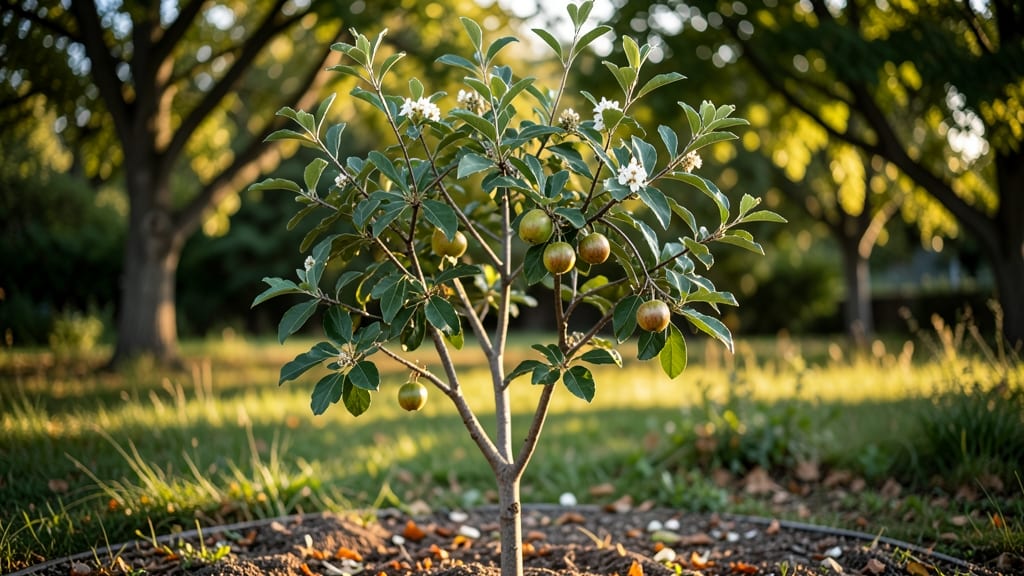
Your nispero tree fruit harvests could double with just three strategic cuts a year—I learned this after my first tree produced only six fruits in its third season. 🌱 The secret lies in year-round pruning that balances growth and fruiting, not just seasonal trimming.
Most gardeners wait until spring, but the real magic happens in winter and summer too.
This tropical treasure thrives in warm climates but needs your guidance to produce reliably. Start with well-draining soil and full sun, then focus on three pruning sessions: light winter shaping, summer growth control, and post-harvest cleanup.
Each cut serves a purpose—opening the canopy for sunlight, removing dead wood, and encouraging next year’s fruit buds. My tree now yields over 50 fruits annually, and the process takes less than 2 hours total per season.
You’ll notice thicker branches, more abundant blooms, and fruit that’s sweeter and larger than store-bought. The tree’s glossy leaves stay vibrant year-round, and the fruit—when properly ripened—develops that signature caramel-like sweetness that makes it worth the effort.
The best part? Pruning extends the tree’s lifespan by 15-20 years compared to neglected specimens.
Works for both container-grown nisperos and in-ground trees, though larger varieties need more space. Whether you’re in Zone 10-12 or a warm microclimate elsewhere, these techniques adapt. Let’s get those branches in shape for next season’s harvest—your future self will thank you for the easy, consistent fruit production.
📚 In This Guide
- What you need
- Instructions
- Tips and common mistakes
- Wrapping up and next steps
What you need
- ● Pruning shears: Bypass pruners (sharp, clean, and disinfected with rubbing alcohol to prevent disease). Size: 6-8 inches for medium branches.
- ● Loppers: For thicker branches (up to 2 inches in diameter). Look for: Ratcheting or bypass style for precision.
- ○ Pruning saw: Optional but helpful for branches thicker than 2 inches. Type: Curved-tooth saw to avoid tearing wood.
- ● Gloves: Heavy-duty gardening gloves (cut-resistant, nitrile-coated for grip).
- ● Disinfectant: 70% isopropyl alcohol or a commercial pruning sealant (like Tanglefoot Pruning Seal).
- ● Heavy-duty trash bags: 2-3 bags (13-gallon size) for collecting pruned branches and debris.
- ● Ladder: Extender ladder (16-20 ft) if your tree exceeds 10 feet in height. Safety first: Use stabilizers or a helper!
- ● Hand pruners: For small, delicate cuts (great for shaping).
- ● Pole pruners: If your tree is tall and you dislike ladders.
- ● Tree wound dressing: Controversial but some swear by it (e.g., Prun-Aid) for larger cuts.
- ● Marking spray: Fluorescent paint (to mark branches for future reference).
- ● First-aid kit: Bandages and antiseptic wipes (just in case!).
- ● Weather check: Prune on a dry, overcast day (avoid rain or extreme heat).
- ● Tree health assessment: Inspect for diseased or dead branches before starting.
- ● Safety gear: Closed-toe shoes, long sleeves, and eye protection (twigs fly!).
- ● Plan your cuts: Sketch a rough diagram of your tree’s structure before you begin.
Step-by-Step guide to year-round nispero tree pruning
Pruning your nispero tree isn’t just seasonal—it’s the key to keeping it productive and healthy all year. Here’s how I maintain my trees for maximum fruit yield.
✂️ Step 1: Winter Pruning for Structure and Airflow
Start in late winter or early spring, just before new growth begins. Your goal is to remove dead, diseased, or crossing branches first—these compete with healthy growth and invite pests. I always begin with a clean pair of bypass pruners and disinfect them with rubbing alcohol between cuts to prevent spreading disease.
Look for branches that grow inward or rub against each other. These will eventually damage the bark and create entry points for fungal infections. Cut them back to the nearest outward-facing bud or branch collar. Thin out about 20-25% of the canopy to improve airflow and sunlight penetration. This reduces humidity in the tree, which is critical for preventing fungal issues like anthracnose.
☀️ Step 2: Summer Light Pruning to Encourage Fruit Set
Mid-summer is the time to fine-tune your tree’s shape and encourage fruit production. Wait until after the first flush of fruit has set—usually 6-8 weeks after flowering—before making any cuts. Focus on removing suckers (vigorous shoots growing from the base or along the trunk) and water sprouts (fast-growing vertical shoots). These divert energy from fruit development.
I also look for branches that are overcrowded or shaded. Remove smaller branches that grow directly opposite larger ones, as they’ll never get enough light to fruit well. Make cuts just above an outward-facing bud, and always angle the cut slightly downward to prevent water from pooling. This keeps the tree balanced and ensures energy flows to the most productive areas.
⏰ Step 3: Post-Harvest Pruning for Renewal
After your main harvest, typically in late fall or early winter, give your nispero tree a light pruning to stimulate new growth for next season. Remove any remaining fruit that didn’t ripen—these can harbor pests and diseases over winter. Also, trim back any branches that produced fruit but are now weak or spindly. You’ll know these by their thin, leggy growth and sparse foliage.
This is also the time to address any structural issues. If a branch is broken or split from heavy fruit loads, remove it entirely. For larger branches, make the cut just outside the branch collar to promote faster healing. Avoid heavy pruning now—you don’t want to stimulate new growth that won’t harden off before winter. A light touch keeps the tree strong without stressing it.
🌱 Step 4: Seasonal Maintenance Checks
Throughout the year, do quick monthly inspections to catch issues early. Look for signs of pests like citrus leaf miners or diseases like citrus greening. If you spot any, prune out affected areas immediately and dispose of them far from the tree. I always carry a small pair of sanitized hand pruners in my gardening tool belt for quick fixes in the field.
Pay attention to the tree’s overall shape. If one side looks sparser, it might need a little thinning to balance the canopy. Even small adjustments keep the tree’s energy focused on producing high-quality fruit rather than compensating for structural imbalances. A well-maintained nispero tree will reward you with years of bountiful harvests with minimal effort.
Tips & tricks for year-round nispero tree care
These practical insights will help you maintain your nispero tree's health and productivity throughout every season.
Pruning Tools Matter: Invest in a quality pair of bypass pruners for clean cuts that heal faster. I've found that pruners with ergonomic handles reduce hand fatigue during long pruning sessions. Always carry rubbing alcohol in a small spray bottle to disinfect tools between cuts—this simple step prevents spreading fungal spores between branches. For larger branches, a pruning saw with a curved blade works best to avoid tearing the bark.
Seasonal Timing is Critical: The late winter/early spring timing in Step 1 ensures you're pruning just before new growth begins, allowing the tree to heal quickly. In Step 2, that 6-8 week window after flowering gives fruit enough time to set before you prune. I've learned the hard way that pruning too early can remove potential fruit buds. Mark your calendar with these seasonal reminders to stay on track.
Visual Cues for Pruning Decisions: When thinning the canopy in Step 1, look for branches that create a "V" shape when viewed from above—these are prime candidates for removal. For Step 3's post-harvest pruning, focus on branches with thin, leggy growth that have already produced fruit. These visual indicators help you make quick decisions without overthinking each cut. I keep a small notebook to sketch my tree's shape before and after pruning sessions.
Safety First: Always wear gloves when pruning to protect against thorns and potential fungal spores. I recommend heavy-duty gardening gloves with reinforced palms. When removing larger branches in Step 3, use the three-cut method: make an undercut, then top cut, and finally remove the branch. This prevents bark tearing and promotes faster healing. Never stand directly under branches you're cutting—always work from a safe position.
Pro Tips for Nispero Tree Fruit
- These practical insights will help you maintain your nispero tree's health and productivity throughout every season.
- Pruning Tools Matter: Invest in a quality pair of bypass pruners for clean cuts that heal faster. I've found that pru...
- Seasonal Timing is Critical: The late winter/early spring timing in Step 1 ensures you're pruning just before new gro...
Frequently asked questions
Got questions about nispero tree fruit and pruning?
Here are some of the most common ones—plus quick, practical answers to help you keep your tree thriving year-round!
When is the best time to prune a nispero tree?
The ideal time to prune a nispero tree is during its dormant season, typically late winter or early spring (before buds swell). Light pruning can also be done after harvest to remove dead or overcrowded branches. Avoid heavy pruning in summer, as it stresses the tree.
How often should I prune my nispero tree?
Prune your nispero tree annually for maintenance, focusing on shaping, removing dead wood, and thinning branches to improve airflow. For young trees, prune lightly every 6–12 months to encourage strong growth. Mature trees may need less frequent pruning but still benefit from seasonal checks.
What if my nispero tree isn’t producing fruit?
Poor fruit production often stems from lack of sunlight, overcrowded branches, or improper pruning. Thin out dense growth to let light reach the center, and ensure the tree gets at least 6–8 hours of sunlight daily. Fertilize with citrus-specific nutrients in early spring to boost flowering.
Can I prune a nispero tree too much?
Yes! Over-pruning—especially removing more than 25% of the canopy at once—can stress the tree, weaken growth, and reduce fruit yield. Stick to selective pruning to maintain structure and health. If you’ve already pruned too much, focus on recovery care (watering, mulching, and light fertilizing).
Are there alternatives to traditional pruning tools?
While bypass pruners and saws are best for clean cuts, you can use sterilized scissors or shears for small branches. For large limbs, a pruning saw with a curved blade works well. Always disinfect tools between cuts to prevent disease spread—rubbing alcohol or bleach solution does the trick!
Wrapping up and next steps
Mastering the art of nispero tree fruit pruning is your ticket to a year-round bounty of sweet, golden harvests! 🌱 By following the right techniques—timing, tools, and seasonal care—you’ll ensure healthier growth, better fruit quality, and fewer pests.
Whether you’re a beginner or a seasoned gardener, a little effort now means delicious rewards later.
Ready to take the next step? Grab your pruners, mark your calendar, and start small—even a single branch trimmed today can make a difference! For extra guidance, download our pruning checklist or join a local gardening group to share tips. Your nispero tree (and taste buds) will thank you!