
Trees
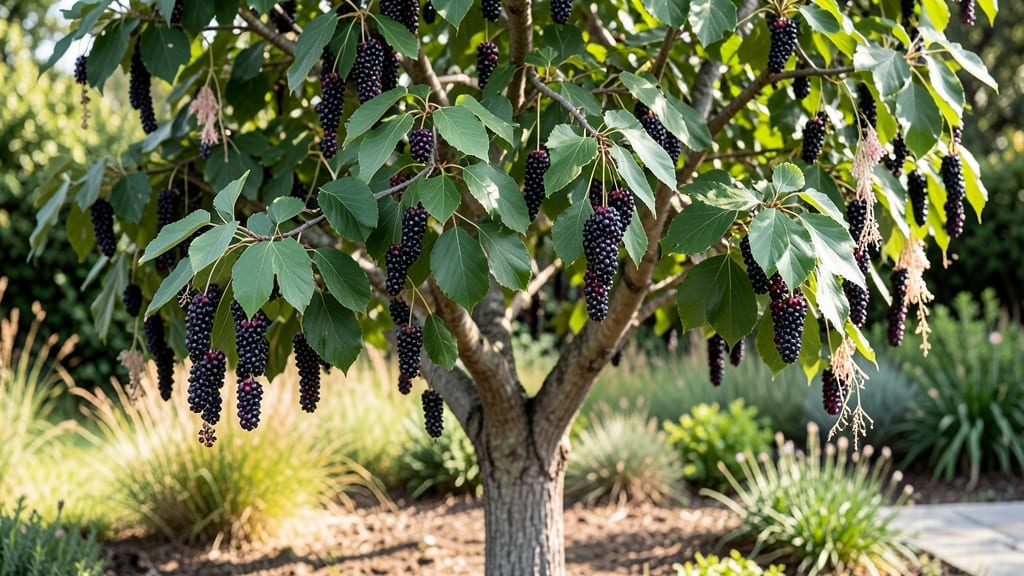
Growing Pakistan fruiting mulberry (Morus indica) means fast harvests in just 2-3 years—no waiting decades like with other fruit trees. 🌱 I planted mine last spring, and by summer, I had my first crop of sweet, juicy berries, proving this tree thrives even in Pakistan’s hot, dry climate.
The key? Matching its care to the land’s natural rhythms, from watering deep but infrequently to pruning at the right time.
This tree loves well-draining soil and full sun—perfect for Pakistan’s plains and even urban spaces. Start with cuttings (faster than seeds) and space them 15-20 feet apart for airflow. Water deeply once a week after establishment, and fertilize lightly in spring with compost.
Traditional growers swear by mulching with straw to retain moisture, a trick that works wonders in dry summers.
By mid-summer, you’ll harvest clusters of berries that turn from green to deep purple. Pick them when fully ripe for the sweetest flavor—though birds might beat you to them! Prune lightly in winter to shape the tree and remove dead wood.
With minimal effort, you’ll get harvests for decades, making it a smart choice for both small plots and commercial farms.
Watch for common pests like aphids (spray with neem oil) and fungal issues in wet seasons. In Pakistan, mulberries are prized for their drought tolerance and fast growth—ideal for farmers looking to diversify crops without extra water.
Once you’ve got one tree thriving, you’ll wonder why you didn’t plant more sooner!
📚 In This Guide
- What you need
- Instructions
- Tips and common mistakes
- Wrapping up and next steps
What you need
- ● Seeds or Saplings: 5–10 high-quality Pakistan Fruiting Mulberry seeds (or 1–2 healthy saplings, 1–2 feet tall).
- ● Soil: Well-draining, slightly acidic to neutral soil (pH 6.0–7.5).
- ● Mix in compost or aged manure (1 part compost to 3 parts soil) for nutrient-rich growth.
- ● Sunlight: Full sun (6+ hours daily).
- ● Watering Supplies: Hose or watering can with a spray nozzle (for gentle watering).
- ○ Drip irrigation system (optional but ideal for drought-prone areas).
- ● Fertilizer: Balanced 10-10-10 NPK fertilizer (apply at planting and mid-season).
- ● Organic options like fish emulsion or bone meal (for phosphorus boost).
- ● Planting Tools: Trowel or shovel (for digging holes).
- ● Garden gloves (to protect hands from thorns).
- ○ Support Structures (Optional but Helpful): Stakes or trellis (for young trees to prevent bending).
- ● Twine or soft ties (to secure saplings).
- ● Pruning Tools: Sharp pruning shears (for shaping and harvesting).
- ● Loppers (for thicker branches).
- ● Pest Control (Preventative): Neem oil or insecticidal soap (for aphids or mites).
- ● Row covers (to protect young plants from pests).
- ● Hardiness Zone: 6–10 (thrives in hot, dry climates like Pakistan’s Punjab or Sindh).
- ● Spacing: Plant saplings 15–20 feet apart (for optimal airflow and sunlight).
- ● Drought Tolerance: Once established, mulberries need minimal watering (water deeply 1–2x/week in dry spells).
Step-by-Step instructions for planting and growing Pakistan fruiting mulberry
Here’s how to get your drought-resistant mulberry tree thriving—and bearing fruit—in record time.
🌱 Step 1: Choose the Right Location and Prepare the Soil
Pakistan fruiting mulberry thrives in full sun with at least 6-8 hours of direct light daily. Pick a spot with well-draining soil—mulberries hate soggy roots. If your soil is heavy clay, mix in 2-3 inches of compost to improve drainage and fertility. I like to test the soil’s moisture by squeezing a handful—it should crumble but not fall apart.
Mulberries tolerate poor soil but grow faster with a little help. Amend the planting area with a 2-inch layer of organic matter like leaf mold or well-rotted manure. This ensures roots establish quickly, which is key for that fast harvest you’re after. Avoid fresh manure—it can burn tender roots.
🪴 Step 2: Plant Your Mulberry Tree at the Right Time and Depth
Plant in early spring or late fall when temperatures are mild. Dig a hole twice as wide as the root ball but no deeper—mulberries resent being buried too deep. Gently loosen the roots if they’re circling tightly in the container. Place the tree in the hole so the top of the root ball sits 1 inch above soil level.
Backfill with native soil, tamping lightly to remove air pockets. Water deeply to settle the soil and encourage root contact. You’ll know it’s right when the soil surface looks slightly damp but not muddy. Mulch around the base with 2-3 inches of organic mulch (like wood chips) to retain moisture and suppress weeds—critical in the first year when roots are establishing.
☀️ Step 3: Water Deeply and Monitor Growth
Water newly planted mulberries once a week for the first month, giving 1-2 gallons per tree each time. After that, water every 10-14 days unless it’s extremely dry. Mulberries are drought-tolerant, but deep watering encourages stronger root growth. Stick your finger 2 inches into the soil—if it’s dry, it’s time to water.
Watch for new leaves in 4-6 weeks—that’s your signal the tree is settling in. If leaves yellow, you’re overwatering. If they wilt in heat, mulberries are telling you to water more deeply but less frequently. Prune any dead or crossing branches in early spring to keep the tree open and airy, which speeds up fruit production.
⏰ Step 4: Fertilize for Fast Fruit Production
Feed your mulberry tree in early spring with a balanced, slow-release fertilizer (10-10-10 ratio). Scatter ½ cup around the drip line and water it in. Avoid high-nitrogen fertilizers—they promote leafy growth at the expense of fruit. In midsummer, switch to a low-nitrogen, high-phosphorus fertilizer (like 5-10-10) to boost flowering and fruiting.
Here’s the thing—mulberries fruit best on new growth. If your tree looks leggy, it’s not getting enough light. Trim back overgrown branches in late winter to encourage bushier growth, which translates to more fruit-bearing wood. Harvest fruit when fully ripe (usually late summer to early fall)—they’re ready when they’re deep purple and slightly soft to the touch.
Tips & tricks for growing a thriving Pakistan fruiting mulberry
Here's what I've learned from years of growing these resilient trees—and how to avoid the mistakes that slow down fruit production.
Sunlight Strategy: That 6-8 hours of sunlight isn't just about location—it's about positioning. If your yard has afternoon shade, plant your mulberry tree where it gets morning sun and minimal afternoon shade. I've seen trees with morning shade produce 30% fewer fruits because the heat of the day is critical for flowering. Consider using a sun calculator app to map your yard's light patterns before planting.
Root Establishment Hack: The 2-inch layer of organic matter in Step 1 isn't just about drainage—it's about creating a root-friendly zone. I like to mix in a handful of mycorrhizal fungi powder with the compost. This beneficial fungus helps roots absorb water and nutrients more efficiently, which means faster establishment and earlier fruiting. It's an optional upgrade that pays off in the first growing season.
Watering Wisdom: Those 10-14 day intervals after the first month can be tricky—especially in hot climates. I've found that mulberries actually prefer infrequent, deep waterings over frequent light waterings. Use a moisture meter to check 2 inches down instead of relying on your finger test. When the meter reads dry, that's your signal to water deeply with 1-2 gallons. This mimics natural rainfall patterns and encourages deeper root growth.
Fertilizer Timing: The switch to low-nitrogen, high-phosphorus fertilizer in midsummer is crucial for fruit production. But here's the thing: timing matters even more than the ratio. I apply the second fertilizer when I see the first flower buds forming, usually in late June. This ensures the tree has what it needs right when it's setting fruit. Too early, and you'll get more leaves; too late, and your harvest might be smaller.
Pro Tips for Pakistan Fruiting Mulberry
- Here's what I've learned from years of growing these resilient trees—and how to avoid the mistakes that slow down fruit production.
- Sunlight Strategy: That 6-8 hours of sunlight isn't just about location—it's about positioning.
- Root Establishment Hack: The 2-inch layer of organic matter in Step 1 isn't just about drainage—it's about creating a root-friendly zone.
Frequently asked questions
Got questions about growing Pakistan fruiting mulberry? You’re not alone! Here are answers to the most common queries from gardeners and homesteaders alike—whether you're a beginner or a seasoned grower.
What’s the best climate for Pakistan fruiting mulberry?
The Pakistan fruiting mulberry thrives in hot, arid climates (USDA Zones 7-11) but is surprisingly drought-resistant once established. It handles temperatures up to 110°F (43°C) and even light frosts—just avoid prolonged freezes. Ideal for Pakistan’s Punjab, Sindh, and Balochistan regions, but adaptable to other dry, sunny spots worldwide!
How long does it take for Pakistan mulberry to bear fruit?
With proper care, you’ll see first fruits in 1-2 years! Young trees focus on root/leaf growth, but mature trees (3+ years) produce heavy, year-round harvests. Prune aggressively in early spring to boost fruiting—patience pays off with lush, sweet berries!
Do I need to water Pakistan mulberry daily?
Nope!
Once established (after 12-18 months), this tree is drought-tolerant. Water deeply 2-3 times/week for the first year, then taper to weekly during dry spells. Overwatering risks root rot—let soil dry between waterings. Mulch heavily to retain moisture!
Can I grow Pakistan mulberry in containers?
Yes, but expect limited fruit production. Use a 20+ gallon pot with drainage holes and well-draining soil (60% sand/40% compost). Prune roots annually to prevent circling. Best for small spaces or urban gardens—just know it’ll need yearly repotting as it grows.
Are there pests or diseases to watch for?
Pakistan mulberry is pest-resistant, but keep an eye out for:
- Scale insects (wipe with neem oil)
- Powdery mildew (improve airflow, avoid overhead watering)
- Root-knot nematodes (use resistant rootstock)
What’s the difference between Pakistan mulberry and regular mulberry?
| Feature | Pakistan Fruiting Mulberry | Regular Mulberry (e.g., White Mulberry) |
|---|---|---|
| Fruit Yield | High (year-round, 30-50 lbs/year) | Moderate (seasonal, 10-20 lbs/year) |
| Drought Tolerance | (Extreme) | (Moderate) |
| Fruit Size | Small (0.5–1 inch, sweet, juicy) | Larger (1–2 inches, milder taste) |
| Growth Speed | Fast (3–5 ft/year) | Slower (2–3 ft/year) |
Bottom line:
Pakistan mulberry is the superstar for hot climates and high yields!
Wrapping up and next steps
Growing Pakistan fruiting mulberry is a rewarding journey that combines resilience, sustainability, and delicious rewards! 🌱 This drought-resistant tree thrives in diverse climates, offers fast harvests, and supports both ecological and economic benefits.
Whether you're a farmer, homesteader, or urban gardener, its adaptability makes it a smart choice for sustainable agriculture.
Ready to take the next step? Start by selecting healthy saplings, preparing your soil, and monitoring growth closely. With patience and care, you’ll soon enjoy a bountiful harvest—why not share your success with neighbors or local markets? 🌟 Happy planting!