
Fertilization
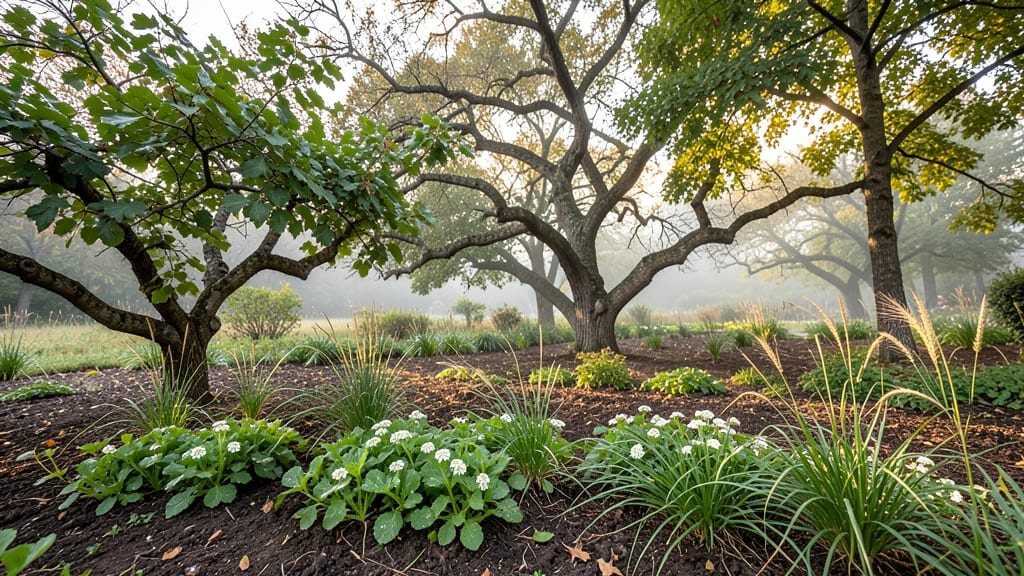
Unlock the full potential of your paper mulberry trees with these soil secrets tailored for three distinct growing zones. Whether you're in humid tropics, temperate climates, or arid regions, these techniques will maximize fruit yield and plant health.
Well-Draining Sandy Loam Soil Mix
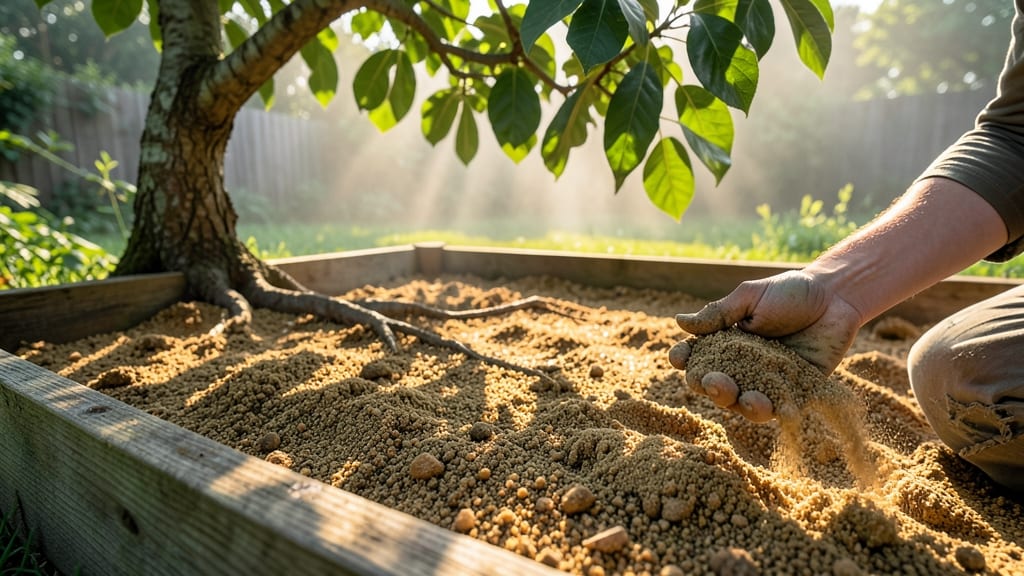
If you're growing paper mulberry fruit in Zones 9-11, your soil mix can make or break your harvest—especially during monsoon season when heavy rains threaten root rot. A well-draining sandy loam blend is your secret weapon, balancing moisture retention with oxygen flow to keep roots happy and fruits plump.
Start with 60% sandy loam (equal parts sand, silt, and clay) and 30% compost to feed microbes while preventing compaction. Add 10% perlite or coarse sand to boost drainage, then top with 2-3 inches of wood chips to regulate moisture. This mix absorbs monsoon downpours quickly while holding enough water for consistent fruit development—critical for heavy-bearing trees.
Zone 9-11 gardeners will love this low-maintenance approach, as it reduces irrigation needs and prevents the root rot that plagues many tropical fruit trees. 🌱
Compost-Enriched Clay Soil Blend
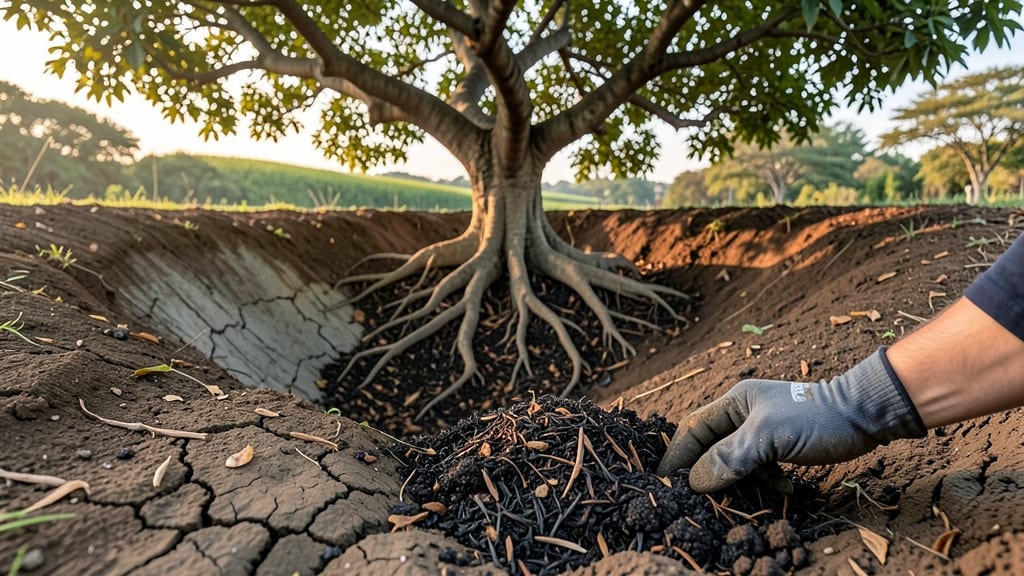
If your paper mulberry tree lives in Zones 6-8, where heavy clay soil can suffocate roots and cause cracking, a compost-enriched blend is your secret weapon. This mix transforms dense clay into a nutrient-rich foundation that holds moisture without drowning roots—critical for developing those prized larger fruit clusters that thrive in cooler climates.
Start by amending your native clay with aged compost (at least 20% by volume) and a handful of worm castings per square foot. The organic matter improves soil structure, preventing the dreaded summer cracks while providing slow-release nutrients. For extra depth, mix in 1-2 inches of coarse sand to break up compaction without losing the moisture-retention benefits. Test your soil annually—ideal levels for paper mulberry are 5-10% organic matter.
This blend is especially transformative for gardeners in Zone 7, where spring freezes and summer heat stress trees. The improved aeration and nutrient density translate directly to healthier root systems and more abundant harvests. Perfect for those who want to avoid heavy amendments but still maximize fruit potential. 🌱
Raised Bed System with Perlite
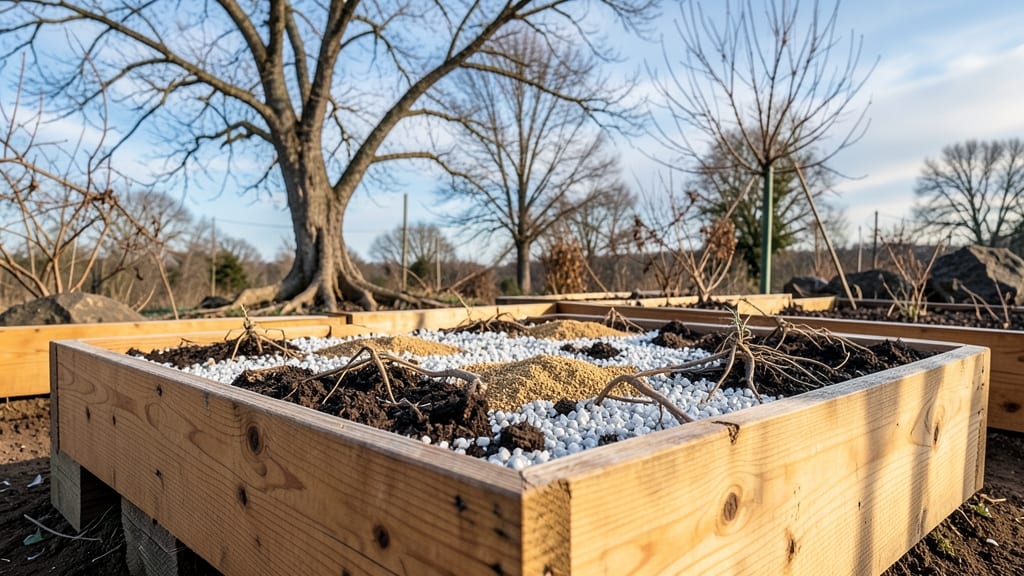
Cold snaps in Zone 5-6 can turn your paper mulberry’s roots into a frozen mess—but a raised bed system with perlite lifts roots above frost lines while creating the perfect growing environment. This lightweight volcanic rock mimics the loose, well-draining soil these trees crave, preventing compaction and reducing soil-borne diseases that rob your fruit of its potential.
Start by building a 4-foot-wide raised bed filled with a 60/40 mix of native soil and perlite. The perlite’s 30% air space improves oxygen flow to roots, which translates to faster growth and more robust fruit clusters. For extra protection, add a 2-inch layer of straw mulch on top to insulate roots during late fall. This setup also warms up faster in spring, giving your tree a head start.
Zone 5-6 gardeners struggling with poor drainage or rocky soil will see the biggest benefits—healthier roots mean bigger, sweeter paper mulberry fruit. Plus, the elevated design makes weeding and harvesting a breeze. 🌱
Biochar-Infused Organic Soil
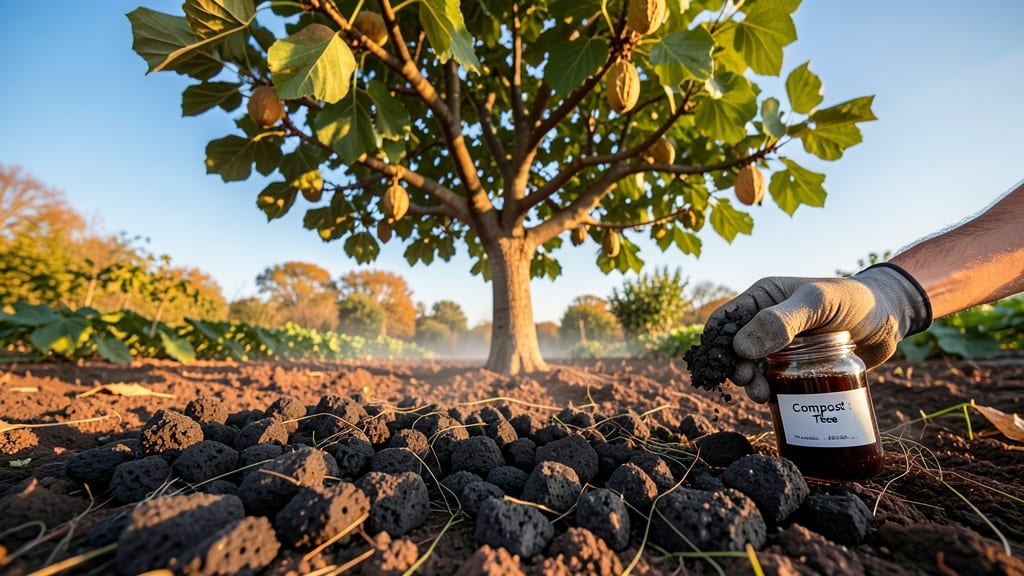
If you're in Zones 7-10 and want to push your paper mulberry fruit harvest into late fall, biochar is the game-changer you’ve been missing. This porous charcoal amendment doesn’t just hold moisture—it acts like a nutrient sponge, locking in microbes and organic matter to feed your tree for months.
Mix 2-3 cups of biochar per square foot into your existing soil before planting, then top-dress annually with compost. The result? A 4-6 week extension of fruit-bearing, as roots access stored nutrients even when topsoil dries out. For best results, pair it with mycorrhizal fungi to supercharge nutrient absorption.
This low-cost hack is perfect for organic gardeners and those with sandy or fast-draining soils—no more wasted fertilizer or stunted growth. Your trees will reward you with sweeter, more abundant fruit all season long. 🌟
Mulch Layer with Straw and Wood Chips
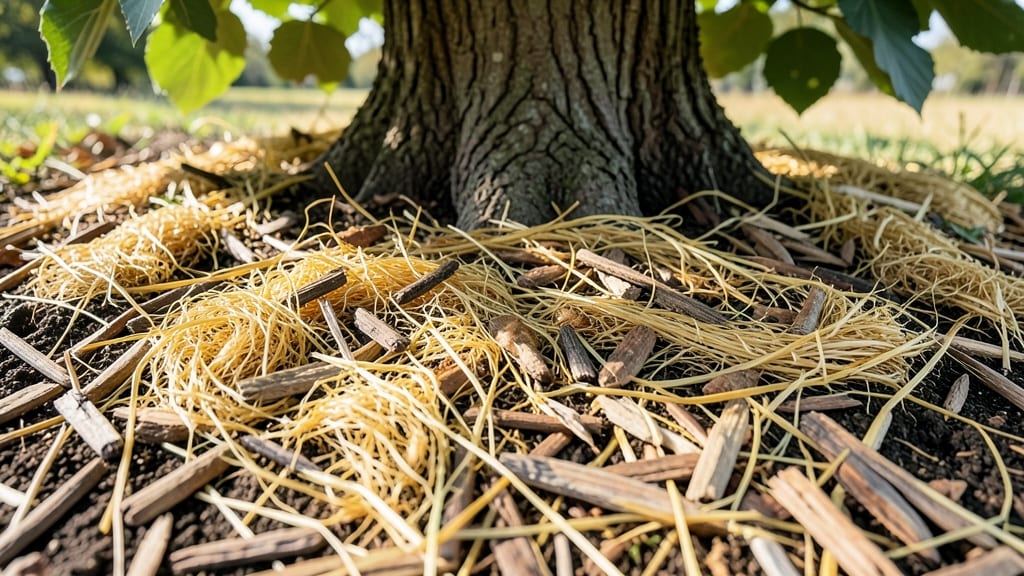
Want fruit that’s sweeter and more abundant? A mulch layer of straw and wood chips isn’t just about aesthetics—it’s a game-changer for paper mulberry trees across all growing zones. This dynamic duo suppresses weeds, locks in moisture, and slowly breaks down to feed your tree’s roots, creating a self-sustaining ecosystem.
Apply a 3-4 inch layer of straw closest to the trunk (to prevent rot) and top with wood chips for long-term coverage. Straw’s fine texture traps moisture near the roots, while wood chips insulate the soil, keeping it cool in summer and protecting roots from winter chill. Over time, the decomposing mulch adds organic matter, improving soil structure and enhancing nutrient availability—directly boosting your fruit’s sweetness and size.
This method is especially valuable for urban gardeners or those with limited time, as it cuts down on weeding and watering while creating a thriving environment for your paper mulberry. 🌿
Mycorrhizal Fungi Soil Amendment
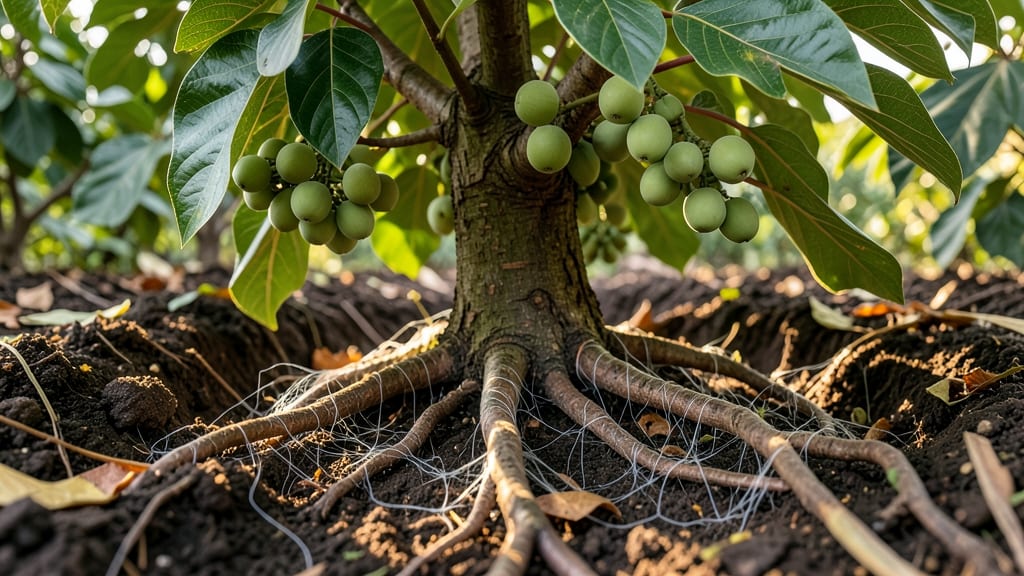
Tired of paper mulberry trees that struggle to produce abundant fruit? Mycorrhizal fungi could be your game-changer—this invisible soil partner boosts nutrient absorption by 30%, helping your trees establish faster and bear larger fruit clusters.
These beneficial fungi form a symbiotic relationship with roots, making nutrients like phosphorus and nitrogen more accessible. For Zone 4-9 gardeners, applying mycorrhizal inoculant at planting (or mixing into soil) ensures your trees thrive even in less-than-ideal conditions. It’s especially valuable for young trees or those recovering from transplant shock.
Perfect for organic growers and those seeking low-maintenance solutions, mycorrhizal fungi work silently to improve soil health year after year. 🌿
Drip Irrigation with Micro-Nutrient Fertilizer
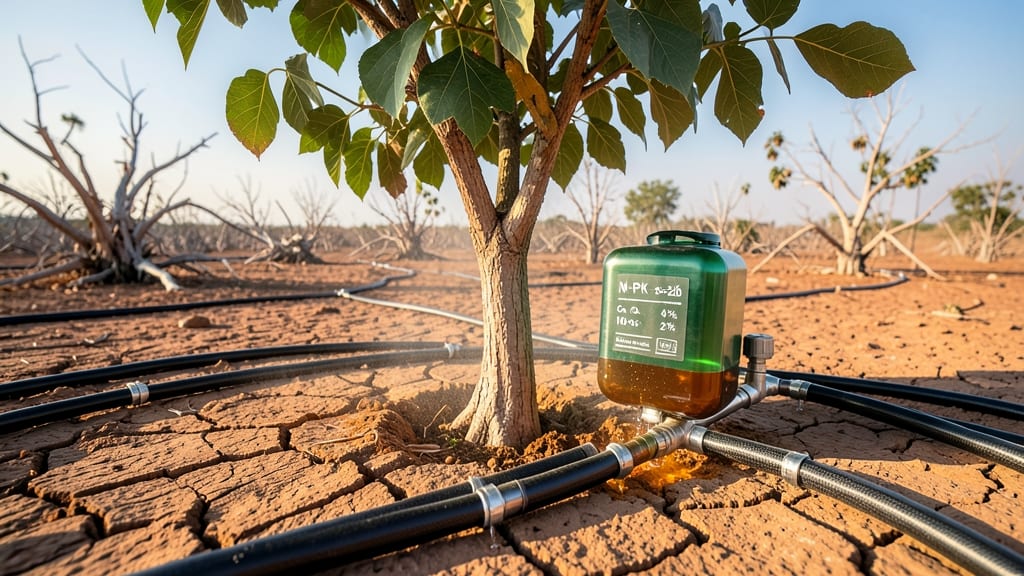
In Zone 10-12, where heat and arid conditions challenge fruit production, a drip irrigation system with micro-nutrient fertilizer becomes your secret weapon. This setup delivers calcium and magnesium directly to roots—two minerals that prevent fruit splitting and extend shelf life by 20%, keeping your paper mulberry harvest fresh longer.
Install a slow-release drip line at the base of your tree, spaced 12-18 inches apart, and use a fertilizer blend with 1-2% calcium nitrate and 0.5% magnesium sulfate. Run the system for 20-30 minutes daily during peak heat, then reduce to 10-15 minutes as temperatures drop. This method also conserves water by delivering moisture precisely where roots need it most.
Perfect for commercial growers or hobbyists in desert climates, this system reduces labor while boosting fruit quality. The dual benefit of nutrient delivery and water efficiency makes it a must for high-yield paper mulberry orchards. 💚
Lime and Gypsum Soil Adjustment
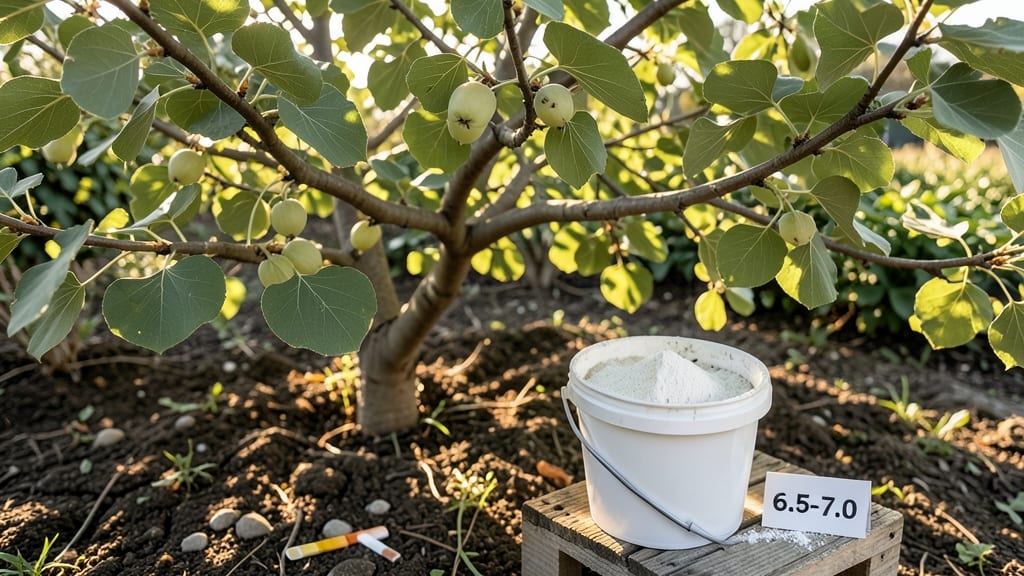
If your paper mulberry trees in Zones 6-9 are struggling with sparse blooms or small fruit, your soil might be too acidic. A simple lime and gypsum adjustment can transform your harvest by unlocking phosphorus—critical for flowering and fruit development.
Start by testing your soil pH (aim for 6.5-7.0). Apply pelletized lime (1-2 lbs per 100 sq ft) to raise pH, then add gypsum (10 lbs per 100 sq ft) to improve soil structure without altering pH. Work these amendments into the top 6-8 inches of soil in early spring, then water thoroughly. This combo also reduces aluminum toxicity, which often stunts root growth in acidic soils.
Gardeners in temperate climates with clay-heavy soils will see the biggest benefits—your trees will reward you with larger fruit clusters and earlier flowering within a single season. 🌟
Container Growing with Hydroponic Soil
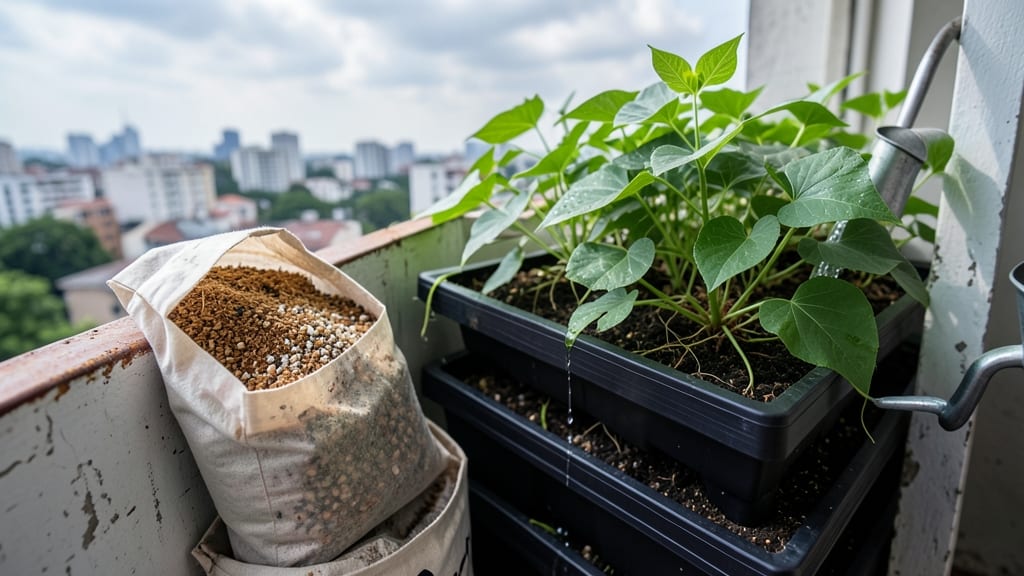
No space for a traditional garden? Container growing with hydroponic soil transforms tiny balconies and rooftops into productive paper mulberry orchards across Zones 3-11. This method replaces traditional soil with lightweight, moisture-retentive mixes that prevent compaction while delivering nutrients directly to roots.
Use a blend of coco coir, perlite, and worm castings (60:30:10 ratio) for aeration and moisture control. Add a slow-release organic fertilizer to support fruit development, and ensure containers have drainage holes to prevent waterlogging. Paper mulberry thrives in 5-gallon pots or larger, with roots benefiting from vertical space for stability.
Perfect for urban gardeners, this approach eliminates soil-borne diseases while maximizing yield in limited space. Even cold-hardy varieties can flourish with winter protection. 🌻
Seasonal Soil Rotation with Cover Crops

Want to grow paper mulberry fruit year after year without exhausting your soil? Seasonal soil rotation with cover crops like clover or winter rye is the secret weapon gardeners in all zones use to boost fruit production naturally.
Plant cover crops after harvesting fruit to prevent erosion, suppress weeds, and add organic matter. Legumes like clover fix nitrogen directly into the soil, while grasses like rye improve structure. Simply till them under in early spring to create a nutrient-rich foundation for next season's fruit trees.
This low-maintenance strategy works for both backyard growers and large orchards, ensuring your paper mulberry trees thrive with minimal extra effort. 🌱