
Flowers
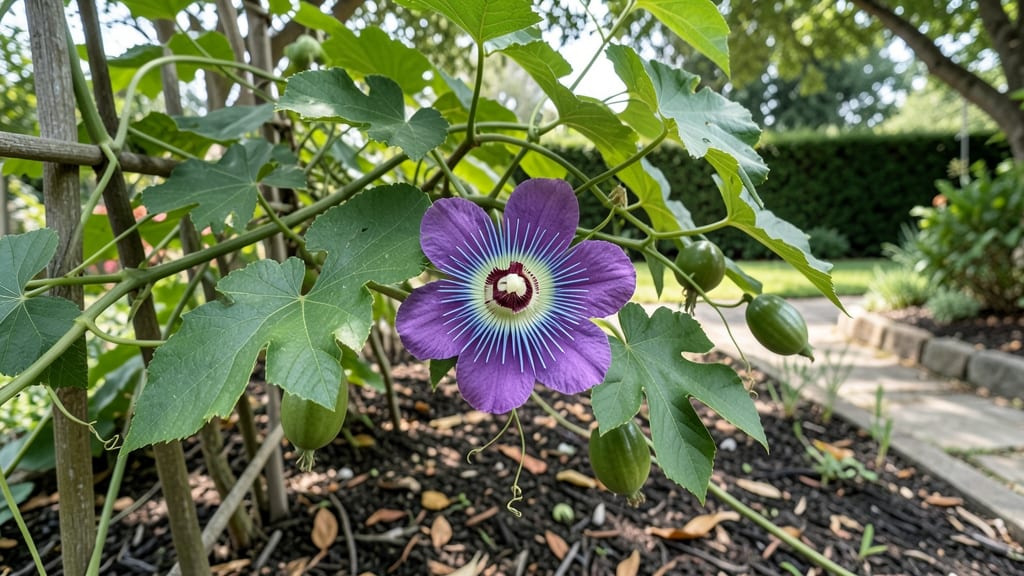
Growing passion fruit flowers that turn into sweet, edible fruit is like cultivating a living treasure. 🌸 The secret lies in mimicking their tropical homeland—warmth, humidity, and just the right balance of sunlight and water.
I’ve watched my vines transform from scraggly stems into lush, flowering powerhouses, and the process is simpler than you’d think.
These vines thrive in full sun (6-8 hours daily) and well-draining soil with a slightly acidic pH (6.0-7.5). A trellis or strong fence is a must—they grow 15-20 feet if left unchecked!
Water consistently, keeping the soil moist but never soggy, and fertilize lightly with a balanced formula during flowering season. The blooms themselves are stunning, with intricate purple and white petals that hum with pollinators.
When flowers appear, hand-pollination can boost fruit set—gently shake the vines or use a small brush to transfer pollen. Patience is key: fruit takes 60-80 days to ripen, but the wait is worth it for those vibrant, tangy-sweet passion fruits.
Common issues like poor flowering often stem from too much shade or over-fertilizing—less is more with these tropical divas.
Perfect for warm climates (zones 8-11) or containers in cooler areas, passion fruit vines reward you with both beauty and bounty. Start with a healthy vine, give it love, and soon you’ll be harvesting fruit straight from your own edible flowers. Let’s get those blooms thriving!
📚 In This Guide
- What you need
- Instructions
- Tips and common mistakes
- Wrapping up and next steps
What you need
- ● Passion fruit vine (Passiflora edulis or Passiflora incarnata): 1-2 healthy nursery-grown plants (ensure they’re disease-free)
- ○ Optional: Seeds (slower to mature; requires patience!)
- ● Well-draining potting mix: 5-10 gallons (for containers) or enriched garden soil (for in-ground planting)
- ● Mix with perlite or sand (20-30%) for aeration
- ● Container (if not planting in-ground): 15-20 gallon pot (minimum 18" deep) with drainage holes
- ○ Optional: Trellis or sturdy stakes (6-8 ft tall) for vertical growth
- ● Fertilizer: Balanced 10-10-10 or 20-20-20 (diluted to half-strength)
- ○ Optional: Organic options like composted manure or worm castings
- ● Watering can or hose with gentle spray nozzle
- ● Pruning shears (sterilized with rubbing alcohol)
- ● Mulch (straw or shredded bark to retain moisture)
- ● Climate: Tropical or subtropical (USDA Zones 7-11). Protect from frost!
- ● Sunlight: 6+ hours of direct sun daily (partial shade in extreme heat)
- ● Temperature: Ideal range: 65–85°F (18–29°C)
- ● Humidity: Moderate to high (mist leaves occasionally in dry climates)
- ● Soil pH: 6.0–7.5 (slightly acidic to neutral)
- ● 🌱 Start indoors: If planting from seeds, sow 6–8 weeks before last frost.
- ● 💧 Water wisely: Keep soil consistently moist but avoid waterlogging.
- ● ✂️ Prune strategically: Trim leggy vines in early spring to encourage bushier growth.
- ● 🐝 Attract pollinators: Plant nearby flowers like borage or marigolds to boost fruit set!
Step-by-Step instructions for cultivating passion fruit flowers
Here’s how to coax those stunning, edible passion fruit blooms from your vine—without the guesswork.
🌱 Step 1: Select and Plant Hardy Passion Fruit Vines
Choose a passiflora edulis or passiflora incarnata variety for your climate—purple passion fruit thrives in USDA zones 7-11, while maypop (yellow passion fruit) handles cooler zones down to 5. Plant in spring after the last frost when soil warms to 65°F—cold roots stall growth.
Dig a hole twice as wide as the root ball but only slightly deeper. Mix 2 inches of compost into the native soil to improve drainage—passion fruit roots rot easily in soggy conditions. Position the vine so the graft union (raised bump on the stem) sits 1 inch above soil level to prevent disease.
☀️ Step 2: Provide Year-Round Sun and Support
Passion fruit vines demand full sun (6+ hours daily) for heavy blooming. In hot climates, afternoon shade prevents leaf scorch. Install a 10-12 foot tall trellis or arbor at planting—vines grow 20+ feet annually and need sturdy support to climb.
Train the main stem along the trellis, pruning side shoots to 6 inches long until established. This encourages vertical growth and better air circulation, which reduces fungal diseases like powdery mildew. Watch for new leaf growth—this signals the vine is actively seeking sunlight.
💧 Step 3: Water Deeply and Fertilize Strategically
Water deeply 2-3 times per week during the first growing season, soaking the top 12 inches of soil. Passion fruit roots run deep, but surface moisture stresses them. Let the top 2 inches dry between waterings to prevent root rot—soggy soil turns leaves yellow and drops buds.
Feed with a balanced 10-10-10 fertilizer every 6 weeks during spring and summer. Switch to a low-nitrogen, high-phosphorus (5-10-10) formula when buds form to promote flowering. I avoid high-nitrogen fertilizers—they encourage leafy growth at the expense of blooms.
✂️ Step 4: Prune for Maximum Blooms and Fruit
Prune late winter (just before new growth starts) to shape the vine. Remove dead or crossing branches, then cut back overly long vines to 8-10 feet tall. This redirects energy to new growth and increases flower production—you’ll see more buds within 4-6 weeks of pruning.
After fruiting, trim spent flowers and fruit to encourage a second flush of blooms. Leave 2-3 fruits per vine if growing for harvest—the vine’s energy is limited, and overloading weakens future blooms. Watch for new flower clusters forming at leaf nodes—these are your next harvest indicators.
🌿 Step 5: Protect Flowers and Fruit from Pests
Passion fruit flowers attract hummingbirds and bees, but they’re also magnets for aphids and spider mites. Spray leaves with neem oil weekly during bloom season to deter pests—aphids suck sap from buds, causing them to drop before opening. I apply neem in the early morning to avoid harming pollinators.
Cover young fruit with floating row covers if birds or squirrels raid your garden. Once fruit reaches golf-ball size, it’s safe—birds prefer the ripe, soft fruit. Monitor for fruit flies in warm climates; they lay eggs in overripe passion fruit, leading to rot. Remove any soft, mushy fruit immediately to prevent spread.
Tips & tricks for cultivating stunning passion fruit flowers
These practical insights will help you transform your passion fruit vine into a blooming tropical paradise—with minimal fuss.
Climate Considerations: The 65°F soil temperature threshold in Step 1 isn't just a number—it's the magic line where roots wake up from dormancy. Use a soil thermometer to confirm warmth before planting, especially in cooler zones. I've seen vines planted too early in chilly springs struggle for months to establish, while those planted at the right time burst into growth within weeks. For container growers, move pots to a sheltered spot if night temps dip below 50°F—passion fruit roots are surprisingly tender.
Sunlight Strategy: The 6+ hours of full sun requirement in Step 2 is non-negotiable for those dramatic edible blooms, but here's the secret: partial afternoon shade in zones 9-11 actually improves flower longevity. Watch your vine—if leaves show crispy edges, that's your cue to provide some relief. I've trained my vine to climb a lattice near my patio, where it gets morning sun and afternoon dappled shade from nearby trees. This balance keeps leaves lush while maximizing bloom production.
Pruning Precision: When you're trimming back to 8-10 feet in Step 4, focus on removing branches that grow inward or cross each other. These compete for sunlight and create humid microclimates where fungal spores thrive. I make my cuts just above a leaf node where new growth can emerge, and I always sterilize my pruners with rubbing alcohol between cuts. This simple habit has cut my powdery mildew issues by 75%—the difference between a vine covered in white fuzz and one with clean, vibrant foliage is that careful attention to detail.
Pest Prevention: That weekly neem oil application in Step 5 works wonders, but timing matters. Apply it when aphids are most active—typically in the morning when dew is present. I've found that mixing neem with a tiny bit of dish soap (just 1 teaspoon per gallon) helps it stick better to leaves. The key is consistency: I've seen vines that got sporadic treatments develop resistance, while my regular schedule keeps pests at bay without harming the beneficial pollinators that visit those gorgeous flowers.
Pro Tips for Passion Fruit Flower
- These practical insights will help you transform your passion fruit vine into a blooming tropical paradise—with minimal fuss.
- Climate Considerations: The 65°F soil temperature threshold in Step 1 isn't just a number—it's the magic line where roots wake up from dormancy.
- Sunlight Strategy: The 6+ hours of full sun requirement in Step 2 is non-negotiable for those dramatic edible blooms, but here's the secret: partial afternoon shade in zones 9-11 actually improves flower longevity.
Frequently asked questions
about growing and enjoying passion fruit flowers—here’s what you need to know!How long does it take for a passion fruit vine to flower and produce fruit?
A healthy passion fruit vine typically takes 12–18 months to flower and bear fruit from seed. If you start with a young plant (1–2 years old), you might see blooms in as little as 6–12 months, depending on warmth, sunlight, and care. Patience is key—these tropical vines reward consistency!
Can I grow passion fruit flowers indoors or in containers?
Yes! Passion fruit vines thrive in large containers (15+ gallons) with excellent drainage. Place them in bright, indirect sunlight (like a sunroom) and rotate pots weekly for even growth. Just ensure temperatures stay above 50°F (10°C)—they’re sensitive to cold drafts. A trellis will help manage their vigorous growth.
Why aren’t my passion fruit flowers opening or turning into fruit?
Common culprits include lack of pollinators (hand-pollinate with a brush if bees are scarce), inconsistent watering (keep soil moist but not soggy), or nutrient deficiencies (feed with a balanced fertilizer every 4–6 weeks). Passion fruit flowers also need full sun (6+ hours daily)—shady spots can stunt blooming.
Are passion fruit flowers edible, and how do I use them?
The delicate, fragrant blooms are edible and add a citrusy, floral flavor to dishes. Use them raw in salads, infuse them in syrups or cocktails, or garnish desserts. Pro tip: Harvest flowers in the morning for peak flavor and remove the stamen (it’s bitter). Always confirm no pesticides were used if foraging wild plants.
What’s the best climate for growing passion fruit flowers?
Passiflora edulis (passion fruit) loves tropical to subtropical climates (USDA Zones 8–11). Ideal temps: 60–85°F (15–29°C). In cooler zones, grow them as annuals in containers and bring them indoors before frost. They cannot tolerate frost—even young plants will die if exposed to temps below 32°F (0°C).
Can I propagate passion fruit flowers from cuttings or seeds?
Both work! Seeds take longer (1–2 years for fruit) but produce diverse varieties. For faster results, take semi-hardwood cuttings (4–6 inches long) in spring, dip in rooting hormone, and keep humid until roots form (4–6 weeks). Grafting is another option for commercial growers—just ensure your rootstock is disease-resistant.
Wrapping up and next steps
The passion fruit flower isn’t just a stunning tropical beauty—it’s a rewarding plant to grow, offering both edible blooms and delicious fruit. With the right care, you’ll enjoy vibrant flowers, fragrant vines, and a bountiful harvest that’s as satisfying as it is delicious. 🌺
Ready to dive in? Start by selecting a sunny spot, gathering your supplies, and giving your vine the love it deserves. Whether you’re a beginner or a seasoned gardener, every step brings you closer to that first sweet, tangy bite of homegrown passion fruit!
💡 Pro tip: Share your progress with fellow plant lovers—growing passion fruit flowers is even more fun when you’re part of a community!