Fertilization
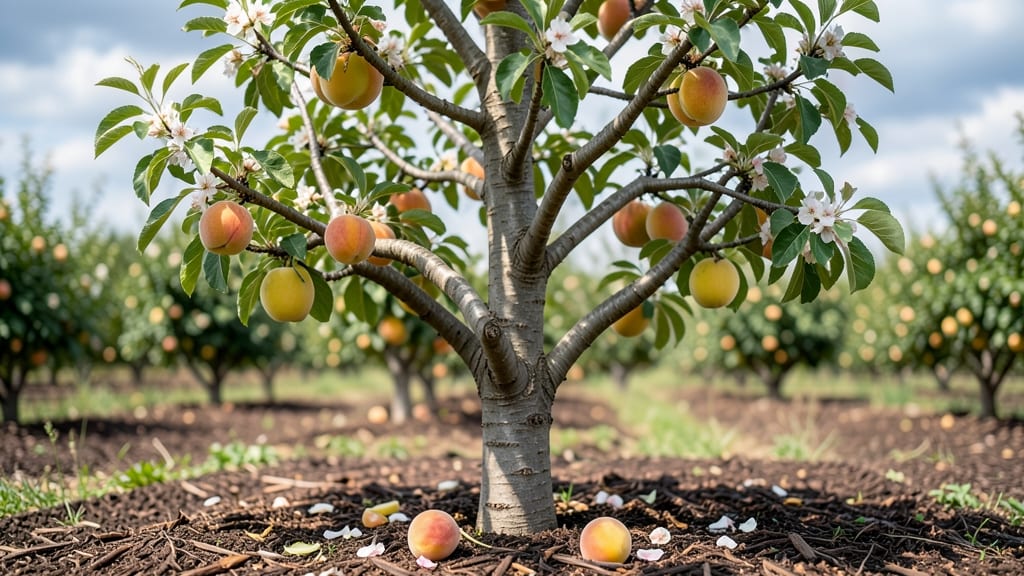
That fuzzy, peach-looking fruit on your tree isn’t always what it seems—and figuring it out fast could save your harvest. 🌿 Whether it’s a nectarine, a diseased peach, or even a pest-damaged fruit, misidentification happens more than you’d think.
I’ve pulled dozens of these from my own trees, only to realize they weren’t peaches at all. The culprits? Brown rot turning fruit mushy inside, birds pecking at soft spots, or nutrient deficiencies causing odd shapes.
Even poor pollination can trick your tree into growing fruit that looks like a peach but never ripens. The key is catching the issue early—before it spreads to healthy fruit.
You’ll learn how to tell the difference between a real peach and an imposter, plus how to remove affected fruit without damaging the tree. A quick inspection now means fewer surprises when harvest time rolls around. The goal? A tree that produces only the peaches you planted for.
This works for home orchards, backyard peach trees, or even those surprise fruits growing in unexpected places. Let’s get that tree back on track!
Root Causes Behind Unwanted Fruit
When your lawn starts sprouting fruit-like growths that resemble peaches—often called lawn fruit or seedballs—it’s usually a sign of hidden issues. These odd-looking formations aren’t actually fruit but rather packed soil, seeds, and organic debris that have bonded together.
Understanding the why behind them helps you tackle the problem at its source. Let’s break down the most common culprits:
Why it happens: Excess water creates the perfect environment for seeds to germinate and clump together. When soil stays too moist, organic matter (like grass clippings, leaves, or even fruit pits) doesn’t break down properly. Instead, it sticks to seeds and forms dense, peach-like balls.
Actionable fix:
- Test your soil’s drainage by digging a small hole and filling it with water. If it drains slowly (more than 4 hours), your lawn may be waterlogged.
- Adjust watering habits: Water deeply but less frequently (early morning is best) to encourage evaporation and reduce soil saturation.
- Aerate compacted areas to improve airflow and prevent seed clumping.
Why it happens: Leaves, grass clippings, and even fallen fruit (like peaches or apples) decompose slowly in thick layers. When mixed with moisture, they bind tightly to seeds, forming those unsightly clusters. This is especially common in shady or high-traffic areas where debris accumulates.
Actionable fix:
- Rake regularly (especially in fall) to remove thick layers of leaves and clippings before they compact.
- Mulch properly: If you’re using grass cyclings, ensure it’s thin and evenly spread—never left in thick piles.
- Use a dethatcher in spring to loosen thatch buildup, which traps moisture and debris.
Why it happens: Many weeds (like crabgrass, clover, or even wild berry plants) produce tiny, hard seeds that mix with soil and organic matter. When these seeds sprout in damp conditions, they can glue together with moisture and decaying plant material, forming those peach-like lumps.
Actionable fix:
- Prevent weed seeds by applying a pre-emergent herbicide in early spring (before weeds sprout).
- Pull weeds manually before they go to seed—this stops the cycle.
- Overseed bare spots with dense, competitive grass to outcompete weeds naturally.
Why it happens: Soil pH and nutrient levels play a role. High acidity (low pH) or excessive fertilizer salts can alter how organic matter breaks down. This makes seeds and debris stick together more easily, creating those stubborn clusters.
Actionable fix:
- Test your soil’s pH (ideal range for lawns: 6.0–7.0). Adjust with lime (to raise pH) or sulfur (to lower pH) if needed.
- Avoid over-fertilizing—stick to a balanced, slow-release formula (like 16-4-8) and follow label rates.
- Flush soil with water after fertilizing to prevent salt buildup.
Why it happens: Some insects (like earthworms or pill bugs) and fungi bind organic matter as they process it. While this is natural, it can accelerate clumping in damp conditions. Additionally, fungal hyphae (thread-like structures) act like glue, holding seeds and soil particles together.
Actionable fix:
- Encourage beneficial microbes with compost tea or mycorrhizal fungi to improve decomposition.
- Reduce thatch layers (ideal thickness: ½ inch or less) to limit pest habitats.
- Avoid heavy foot traffic in wet areas, which compacts soil and worsens clumping.
Why it happens: Rapid shifts between dry and wet spells (common in spring/fall) cause organic matter to shrink and swell, trapping seeds inside. This is why you often see these lumps after heavy rain or dew-heavy mornings.
Actionable fix:
- Monitor weather forecasts and adjust watering to avoid sudden moisture spikes.
- Use a soil moisture meter to water only when the top 2–3 inches are dry.
- Aerate in fall to prevent soil from becoming waterlogged during winter thaw.
Pro Tip: 💡 If you’ve tried everything and the problem persists, consider top-dressing with sand or compost to improve soil structure and reduce clumping. A little prevention goes a long way in keeping your lawn fruit-free and flawless!
Quick Fixes for Blotchy Lawn Spots
Got a lawn that looks like someone splashed it with peach-colored paint? Don’t panic—these targeted fixes will restore your grass to its lush best in no time. Below, we break down the most common causes of those unsightly patches and pair them with practical, step-by-step solutions to tackle them head-on.
Plus, we’ll share prevention tips to keep your lawn looking flawless all season long.
Fix: Rescue soggy roots and restore airflow If your lawn looks like it’s been dipped in a peach smoothie, overwatering or compacted soil could be the culprit. Too much moisture suffocates grass roots, leading to fungal growth and discoloration.
- 🔥 Assess the Damage
- Walk on the affected area—if it feels spongy or leaves footprints, drainage is the issue.
- Dig a small test hole (2–3 inches deep). If water pools or the soil stays damp after 30 minutes, poor drainage is confirmed.
- 🍳 Improve Soil Aeration
- Rent a core aerator (or hire a pro) to pull out small soil plugs, allowing water and oxygen to penetrate.
- Pro Tip: Do this on a dry day—wet soil clumps and clogs the machine!
- 👨🍳 Adjust Watering Habits
- Water deeply 2–3 times per week (early morning, ½–1 inch total) instead of daily light sprinkles.
- Install a soil moisture sensor to track when your lawn truly needs hydration.
- ⏰ Speed Up Recovery
- Spread a thin layer of compost over the area to boost microbial activity.
- Avoid heavy foot traffic until the soil dries out (usually 3–5 days).
💡 Prevention:
- Test your soil’s drainage with a percolation test (dig a hole, fill with water, time how long it takes to drain).
- Consider sand topdressing (if your soil is clay-heavy) to improve structure long-term.
Fix: Fungicide-free remedies for stubborn spots Fungal diseases thrive in damp, shaded lawns, turning grass a peachy-brown hue. The good news? You can often outsmart fungi without harsh chemicals.
- 🔪 Identify the Fungus
- Peach-colored rings? Likely brown patch (common in warm, humid climates).
- Mushy, slimy grass? Could be dollar spot or pythium blight.
- 🌡️ Adjust Lawn Care Routine
- Mow higher (3–4 inches) to shade out moisture and improve airflow.
- Rake aggressively to remove infected thatch (wear gloves—spores are sneaky!).
- Water in the morning to let grass dry by evening (fungi love nighttime dampness).
- ✨ Natural Fungicides - Baking soda spray: Mix 1 tbsp baking soda + 1 gallon water + a drop of dish soap.
Spray lightly on affected areas (test a small patch first). - Neem oil: Spray a 1% solution (1 tbsp neem oil + 1 quart water + surfactant) every 7–10 days until spots fade. - Hydrogen peroxide (3%): Dilute 1:3 with water and spray—it kills fungi on contact but may bleach grass temporarily.
- 🎯 Overseed for Recovery
- Once the area is dry, rake and overseed with a disease-resistant grass variety (e.g., tall fescue or Kentucky bluegrass).
- Keep newly seeded areas lightly moist (like a damp sponge) until germination.
💡 Prevention:
- Improve airflow by trimming overgrown hedges or trees casting shade.
- Avoid late-night watering—fungi party after dark!
Fix: Kick pests out for good If your lawn looks like it’s been peach-slathered by tiny critters, grubs or chinch bugs are probably munching away underground.
- 🔍 Confirm the Culprit
- Dig up a small patch—if you see C-shaped white grubs, that’s your problem.
- Look for wilting patches in a "V" shape? Chinch bugs (tiny black bugs) are likely sucking sap.
- 🍳 Grub Control
- Milky spore powder: Sprinkle on affected areas and water in (takes 2–3 weeks to work but lasts years).
- Beneficial nematodes: Microscopic worms that eat grubs alive—apply in early evening with a hose-end sprayer.
- 👨🍳 Chinch Bug Treatment
- Diatomaceous earth (food-grade): Sprinkle lightly on dry grass—it dehydrates bugs but is safe for pets once settled.
- Soap spray: Mix 2 tbsp castile soap + 1 gallon water and spray directly on bugs (reapply after rain).
- 🌱 Repair the Lawn
- Once pests are gone, aerate, rake, and overseed the bare spots.
- Avoid synthetic pesticides—they can harm beneficial insects and worsen chemical buildup in soil.
💡 Prevention:
- Encourage natural predators like birds (install a bird feeder) and toads (leave some leaf litter).
- Test soil pH—chinch bugs love acidic soil (aim for 6.0–7.0).
Fix: Feed your lawn the right way Peach-colored grass can also signal a lack of iron (yellowing between veins) or nitrogen (pale, weak growth).
- 📊 Diagnose the Problem
- Iron deficiency? Leaves turn yellow with green veins.
- Nitrogen deficiency? Grass looks thin and straw-colored.
- 💪 Iron Boost
- Apply an iron supplement like Ironite or chelated iron (follow package rates).
- Epsom salt spray: Mix 1 tbsp magnesium sulfate + 1 gallon water for a quick iron-boost (test a small area first).
- 🍎 Nitrogen Fix
- Organic option: Spread composted manure or alfalfa meal (rich in nitrogen).
- Fast fix: Use a slow-release fertilizer (like 24-0-4) in early spring or fall.
💡 Prevention:
- Soil test annually to monitor nutrient levels (local extension offices often offer cheap tests).
- Top-dress with compost every spring to replenish organic matter naturally.
Final Tip: 🌟 Patience is key! Some fixes (like fungal treatments) take 2–4 weeks to show results. Stick with it—your lawn will bounce back better than ever!
Frequently asked questions
Why does my peach-looking fruit feel rock-hard inside?
That’s likely a seedball—a compacted mix of soil, seeds, and organic matter that forms when debris binds together in damp conditions. These aren’t actual fruit but rather nature’s way of recycling. Break them apart with a rake or let them dry out in the sun before disposal.
Can I eat these peach-like growths if they’re on my lawn?
Absolutely not! These are seedballs or fungal clusters, not edible fruit. They often contain weed seeds, soil contaminants, or even harmful fungi. Always inspect and remove them—never consume anything growing in lawns or gardens without proper identification.
How do I tell if it’s a real peach vs. a seedball?
Real peaches grow on trees with leaves and have a fuzzy skin that softens when ripe. Seedballs are dense, irregularly shaped, and often appear after heavy rain or in shady areas. Cut one open—if it’s just dirt and seeds, it’s a seedball!
Will vinegar or bleach kill the seeds inside these peach-like lumps?
Vinegar won’t harm seeds but can kill nearby grass. Bleach is too harsh and may damage soil microbes. Instead, rake them up and compost them (sealed in a bag first) or dispose of them in yard waste. This prevents new seedballs from forming.
Why do these keep coming back even after I remove them?
Persistent seedballs usually mean excess moisture, thick thatch, or weed seeds in your soil. Fix it by aerating your lawn, improving drainage, and raking up debris regularly. A soil test can also reveal nutrient imbalances that worsen clumping.