
Picking
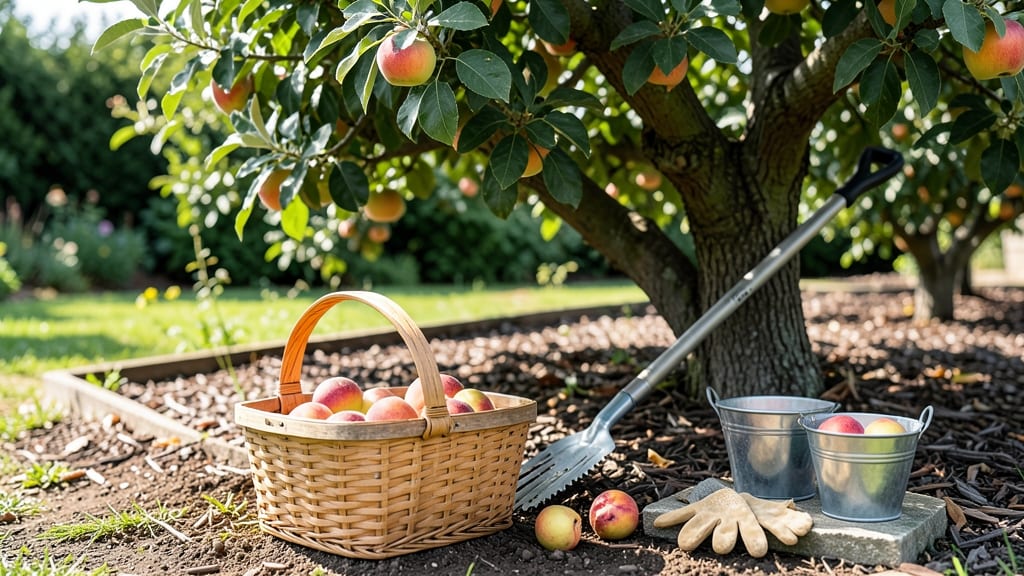
Knowing when fruit is ripe can turn a perfectly good harvest into a waste—or a sweet, juicy reward.
Picking fruit too early means bland, tough bites, while waiting too long risks mushy disappointments. The difference between the two? Learning the visual cues that signal peak ripeness.
From the deep red blush of a ripe peach to the slight give of a tomato, each fruit has its own telltale signs. I’ll break down the key indicators—color, texture, and even scent—so you never miss the window again.
Whether you’re dealing with apples, berries, or stone fruits, these tips will help you harvest at the ideal moment every time.
Visual ripeness cues for common fruits: color, texture, and smell guide
Knowing exactly when to pick your homegrown fruit can be tricky—overripe fruit turns mushy, while underripe fruit stays tart and tough. The key lies in mastering visual ripeness cues like color shifts, texture changes, and aromatic signals.
These clues vary by fruit type, so let’s break down the expert-approved signs for 15+ popular varieties to help you harvest at peak flavor.
Most fruits ripen through a predictable process: chlorophyll breaks down, carbohydrates convert to sugars, and ethylene gas triggers softening. But not all fruits follow the same timeline—some ripen on the vine (like peaches), while others need to be picked early and ripened indoors (like bananas).
Understanding these fruit-specific patterns ensures you never miss the sweet spot.
| Fruit | Color Cue | Texture Test | Smell Indicator | Expert Tip |
|---|---|---|---|---|
| Apples | Deep red or yellow (varies by variety) | Gives slightly when gently pressed | Sweet, honey-like aroma | Twist gently—if stem snaps cleanly, it’s ready. |
| Bananas | Bright yellow with brown spots | Firm but yields slightly to touch | Sweet, tropical scent | Green bananas won’t ripen—pick when 75% yellow for best results. |
| Peaches | Full blush color (no green) | Slightly soft near stem end | Fruity, perfumed aroma | Pick when fruit detaches easily from branch. |
| Tomatoes | Deep red/orange (or variety-specific color) | Firm but yields slightly | Sweet, earthy scent | Check for white shoulder where stem meets fruit. |
| Berries (Strawberries, Blueberries) | Vibrant red/blue/purple | Plump and slightly firm | Sweet, fruity fragrance | Pick when fully colored and easy to pluck. |
| Pears | Uniform golden/yellow (no green) | Softens near stem | Subtle, honeyed smell | Some varieties (like Bartlett) ripen off the tree. |
| Plums | Deep purple/red (
Common mistakes that trick you into picking unripe fruitEven experienced gardeners sometimes fall for sneaky visual tricks that make fruit look ripe when it’s not. The most common mistake? Assuming size equals ripeness. A large tomato or peach might look mature, but without the right color or texture, it could still be bland or tough. I’ve picked green bananas with brown spots thinking they were ready—only to find they were overripe and mushy inside. Another trap is uneven ripening, where one side of the fruit changes color while the other stays green. This often happens with pears or apples exposed to partial sunlight. Even a slight bruise can create a false sense of ripeness, tricking you into thinking the fruit is ready when it’s actually damaged. Always check multiple cues before harvesting. ⚠️ Warning: Don’t Trust Just One Cue!Relying on color alone (e.g., red tomatoes) or size (e.g., plump peaches) can lead to disappointment. Instead, combine 3 key checks:
Bruises and surface blemishes are another red flag. A bruised apple might look ripe because of discoloration, but it’s often underripe or overripe underneath. I once picked a plum with a few dark spots, assuming it was ready—only to find it was still hard and tasteless. Always cut into the fruit (if possible) or check for firmness before committing. Even ethylene gas exposure (like storing fruit with apples) can create misleading ripeness. Ethylene speeds up ripening, so a peach near an apple might soften faster but still lack sweetness. If you’re using ethylene to ripen fruit indoors, monitor daily—don’t rely on the gas alone to determine readiness. For citrus fruits (oranges, lemons), thickness is key. A ripe orange should have a slightly soft spot when pressed near the stem, not just a bright color. I’ve picked green oranges with no give, only to realize they needed weeks more on the tree. When in doubt, wait a few more days—citrus often ripens off the tree but rarely improves after picking. Finally, temperature fluctuations can confuse ripeness. A cold snap might turn a peach’s skin red, but the fruit stays hard inside. If your garden experiences unusual weather, double-check ripeness by combining color, scent, and texture—never one factor alone. The best rule? When in doubt, leave it on the vine or tree—you can’t un-pick unripe fruit! |