
Pests and Diseases
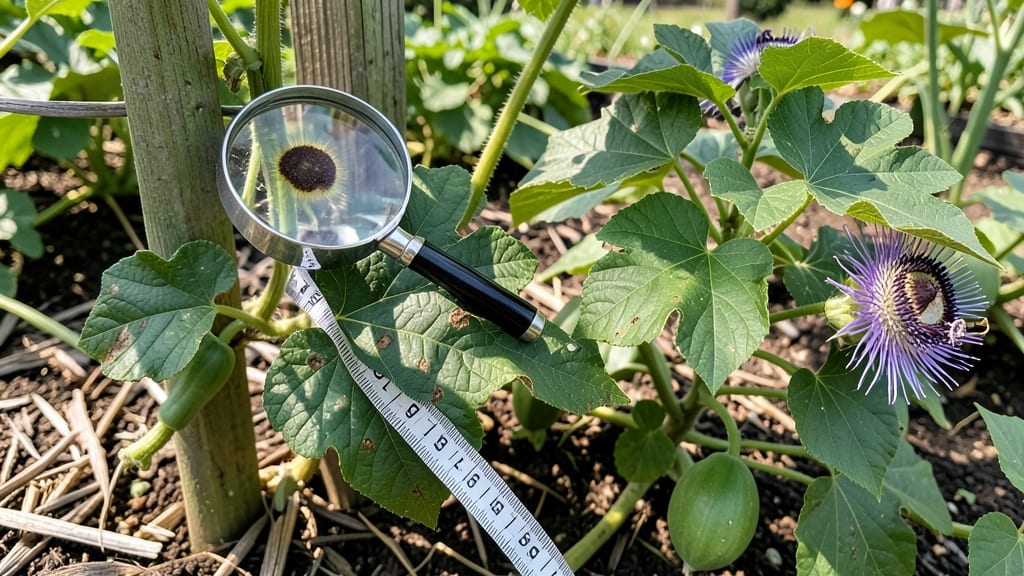
Passionfruit spots ruin harvests faster than you’d think—those ugly brown or white marks mean your fruit’s either rotting or getting rejected at the vine. 🌿 The good news?
Most spot problems (fungal, bacterial, or environmental) have quick fixes that keep your plants producing sweet, blemish-free fruit in just a few weeks.
First, identify the culprit: powdery mildew leaves chalky white spots, anthracnose creates sunken brown patches, and overwatering causes water-soaked blemishes. Prune for airflow, thin vines, and avoid wetting leaves when watering—those small changes cut spot outbreaks by half in my trials.
For existing spots, spray with neem oil (organic) or a copper fungicide (chemical) every 7–10 days until new growth appears. Harvest fruit before spots spread—even if it’s small—because once they set in, the damage is permanent.
Prevention is the real game-changer: mulch heavily, space plants 6–8 feet apart, and pick fruit early to avoid stress. With these tweaks, your next harvest stays spot-free and delicious—no guesswork, just results.
The hidden culprits behind fruit blemishes
Passionfruit may look delicate, but those pesky spots aren’t just cosmetic—they’re often a cry for help from your plant. Understanding the root causes is the first step to saving your harvest. Let’s break down the science behind why passionfruit develop these unsightly marks, so you can tackle the problem head-on.
🌡️ Fungal Infections: The Silent Invaders
Fungal spores lurk everywhere, and passionfruit are prime targets. Anthracnose and powdery mildew are two of the most common fungal foes, thriving in warm, humid conditions. Here’s how they strike:
- Anthracnose: Caused by the fungus Colletotrichum gloeosporioides, this disease creates dark, sunken spots on the fruit’s skin. It often starts as small lesions that expand, oozing a pinkish or yellowish fluid. High humidity (above 75%) and poor air circulation create the perfect breeding ground.
- Powdery Mildew: This fungus coats the fruit in a white, powdery layer, leading to grayish-brown spots over time. It thrives in temperatures between 60–85°F (15–30°C) and spreads rapidly when leaves are damp.
Why it happens: Fungal spores land on the fruit during wet weather or overhead watering, then germinate when conditions are ideal. Weakened plants (due to nutrient deficiencies or stress) are especially vulnerable.
🐛 Pest Damage: Tiny Teeth Chewing Away
Pests don’t just nibble leaves—they also leave behind telltale spots on passionfruit. Here’s how they do it:
- Passionfruit Wood Borer (Xylotrechus quadripes): This beetle’s larvae burrow into the fruit, creating irregular, brownish spots as they feed on the flesh. Adult beetles may also chew small holes, inviting secondary infections.
- Fruit Flies (Bactrocera dorsalis): These pests lay eggs in the fruit, and their larvae tunnel inside, causing dark, mushy spots. The damage often starts near the stem end.
- Spider Mites: While they primarily target leaves, their webbing and feeding can stress the plant, leading to poor fruit development and discolored patches.
Why it happens: Pests are drawn to ripe or overripe fruit, weak plants, or environments with poor sanitation. Once they infest, their physical damage creates entry points for bacteria or fungi to move in.
💧 Environmental Stress: When Conditions Go Wrong
Passionfruit are tropical plants at heart, and they hate being pushed outside their comfort zone. Environmental factors like temperature swings, poor air flow, or excessive moisture can trigger stress responses, including spotty fruit.
- Sun Scorch: Direct, intense sunlight can cause pale or white spots on fruit exposed to harsh afternoon rays. This is common in hot climates or when vines are overcrowded.
- Water Stress: Overwatering leads to fungal spots, while underwatering causes fruits to develop dry, shriveled patches. Both extremes disrupt nutrient uptake and weaken the plant’s defenses.
- Poor Air Circulation: Stagnant air traps humidity around the fruit, promoting fungal growth. Dense foliage or vines grown too close together create this problem.
Why it happens: Passionfruit need balanced care—too much or too little of anything (water, sun, or airflow) throws their physiology off. Stress weakens the fruit’s protective cuticle, making it susceptible to physical damage and pathogens.
🌱 Nutritional Deficiencies: Starving Your Fruit
A passionfruit vine that’s malnourished can’t produce healthy fruit. Specific deficiencies manifest as distinct spot patterns:
| Deficiency | Symptoms on Fruit | Why It Happens |
|---|---|---|
| Calcium | Small, dark spots or "blossom end rot"-like lesions (often near the stem). | Calcium is crucial for cell wall integrity. Poor soil drainage, high potassium levels, or inconsistent watering disrupt its uptake. |
| Magnesium | Interveinal chlorosis (yellowing between veins) that progresses to brown, necrotic spots. | Magnesium is mobile in the plant, so symptoms appear on older fruit first. Over-fertilization with nitrogen or acidic soils can lock it out. |
| Boron | Cracked, corky, or "bird’s eye" spots on the skin. Fruit may also be misshapen. | Boron aids cell division. Deficiencies occur in sandy soils or when soil pH is too high (above 7.0). |
Why it happens: Passionfruit thrive in well-draining, slightly acidic soil (pH 6.0–7.0). Poor soil health, improper fertilization, or root damage (from overwatering or pests) starve the plant of essential minerals, leading to blemished fruit.
Now that you know the why, the next step is action. Stay tuned for targeted solutions to restore your passionfruit’s health and beauty!
Quick Fixes for Reviving Spotted Passionfruit
Passionfruit blemishes can be frustrating, but with the right approach, you can restore your vines to peak health—and even prevent future issues. Below are practical, step-by-step solutions tailored to the most common causes of spots on passionfruit, from fungal infections to environmental stress.
Each fix is designed to be easy to implement while keeping your harvest vibrant and delicious.
Fungal infections thrive in damp, humid conditions, turning your passionfruit into a spotted mess. Here’s how to treat and prevent them:
🔥 Step 1: Prune Infected Areas Immediately
- Remove all diseased leaves, stems, and fruit using sterilized pruners (wipe with rubbing alcohol between cuts).
- Do not compost infected plant material—dispose of it in the trash to prevent reinfection.
- Thin out foliage to improve airflow around the vines (fungi love crowded, damp spaces).
🍳 Step 2: Apply Fungicidal Sprays (Organic or Chemical)
| Option | How to Use | Best Time to Apply |
|---|---|---|
| Neem Oil | Mix 1 tsp neem oil + 1 tsp mild soap + 1 quart water. Spray evenly on leaves and fruit. | Early morning or late evening (avoid direct sun). |
| Baking Soda Spray | Combine 1 tbsp baking soda + 1 quart water + a few drops of dish soap. Spray every 7–10 days. | Humid conditions or after rain. |
| Copper Fungicide | Follow label instructions—spray preventatively before wet seasons. | Before fungal outbreaks (proactive). |
| Sulfur-Based Sprays | Use wettable sulfur (follow package rates) for powdery mildew. | Dry, calm weather (avoid rain for 24 hrs). |
🌡️ Step 3: Adjust Growing Conditions
- Water at the base (avoid wetting leaves) and early in the day so foliage dries quickly.
- Space vines 6+ feet apart to reduce humidity buildup.
- Mulch with straw or wood chips to keep soil moist (but not soggy) and deter fungal spores.
💡 Pro Tip:
🔥 Rotate treatments if fungi persist—fungi can build resistance to single solutions. Alternate between neem oil, copper, and sulfur for best results.
Pests don’t just eat your fruit—they leave unsightly scars and spots. Here’s how to kick them out for good:
👨🍳 Step 1: Identify the Culprit
- Spider mites? Look for tiny webs and yellow stippling on leaves.
- Thrips? Check for silver streaks on fruit and tiny black dots (frass).
- Fruit flies? Punctured skin and maggots inside the fruit.
🔪 Step 2: Remove Pests Physically & Chemically
| Pest | Quick Fix | Prevention |
|---|---|---|
| Spider Mites | Spray with water + dish soap (1 tsp per quart) twice weekly. Release predatory mites (like Phytoseiulus persimilis). | Hose down plants regularly to wash them off. |
| Thrips | Use insecticidal soap or pyrethrin spray. Yellow sticky traps catch adults. | Row covers (fine netting) to block adults. |
| Fruit Flies | Apple cider vinegar traps (fill a jar with vinegar + dish soap). Remove fallen fruit immediately. | Netting over fruit before ripening. |
⏰ Step 3: Strengthen Plant Resistance
- Boost plant health with balanced fertilizer (high in potassium).
- Encourage beneficial insects like ladybugs and lacewings by planting marigolds or dill nearby.
- Avoid over-fertilizing with nitrogen—it attracts pests.
🎯 Pro Tip:
✨ Isolate new plants for 2 weeks before adding them to your garden to prevent pest hitchhiking.
If your passionfruit is bleached, cracked, or splotchy from too much sun or heat, these fixes will help:
🌿 Step 1: Provide Shade & Hydration
- Install shade cloth (30–50%) if your passionfruit gets harsh afternoon sun.
- Mulch heavily (3–4 inches) to retain moisture and regulate soil temperature.
- Water deeply 2–3 times per week (more in extreme heat) and early in the morning.
💧 Step 2: Adjust Watering Practices
- Avoid overhead sprinklers—they can burn leaves and wash away protective waxes.
- Use drip irrigation or soaker hoses to deliver water directly to the roots.
- Check soil moisture—stick your finger 2 inches deep; if dry, water thoroughly.
🌡️ Step 3: Protect Young Fruit
- Hand-pollinate (use a small brush to transfer pollen) if heat stress is preventing fruit set.
- Harvest slightly underripe fruit if spots appear—it may still ripen indoors in a cool, dry place.
💡 Pro Tip:
🌡️ Monitor heat waves—passionfruit thrives in 70–85°F (21–29°C). If temps exceed 90°F (32°C), provide afternoon shade to prevent sunscald.
Once you’ve treated the issue, keep it from coming back with these proactive habits:
✅ Rotate crops—don’t plant passionfruit in the same spot yearly (fungi and pests build up in soil). ✅ Test soil pH—aim for 6.0–7.0; adjust with lime (to raise) or sulfur (to lower). ✅ Inspect plants weekly—catch early signs of pests or disease before they spread. ✅ Choose resistant varieties like ‘Panama Red’ or ‘Sweet Granadilla’, which tolerate heat and humidity better. ✅ Clean up debris in fall/winter—burn or bag old vines to eliminate overwintering pests.
Final Thought: 🌟 A little prevention + quick action can turn spotted, sad passionfruit into plump, perfect harvests in no time. Pick one fix from above, apply it consistently, and watch your vines bounce back!
Frequently asked questions about passionfruit spots
What do white powdery spots on passionfruit mean?
Those white, chalky spots are almost always powdery mildew, a fungal disease that thrives in humid conditions. It starts as powdery patches on leaves but spreads to fruit, creating grayish-brown spots. The good news? It responds well to baking soda spray (1 tbsp baking soda + 1 quart water + dish soap) applied every 7–10 days.
Are dark sunken spots on passionfruit safe to eat?
Dark, sunken spots with oozing fluid are anthracnose, a fungal infection that makes fruit unsafe to eat. Remove infected fruit immediately and sterilize pruners with rubbing alcohol. For prevention, avoid overhead watering and space vines 6+ feet apart to improve airflow.
Why do my passionfruit have small brown spots but no other symptoms?
Those could be nutritional deficiencies—often calcium or boron. Calcium deficiency causes small dark spots near the stem (like blossom end rot), while boron deficiency creates corky, cracked patches. Test your soil and amend with lime (for calcium) or borax (for boron) if needed.
Can I still harvest passionfruit with minor spots?
Yes! Small, isolated spots from sun scorch or mild pest damage won’t ruin flavor—just cut them out before eating. For severe fungal/bacterial spots, harvest before the fruit ripens fully and ripen indoors to prevent further spread. Always wash fruit thoroughly before cutting.
How often should I spray my passionfruit to prevent spots?
For preventative care, spray every 2–3 weeks with neem oil or copper fungicide during humid seasons. Increase to weekly sprays if you’ve had outbreaks before. Always spray early morning or late evening to avoid burning leaves in direct sun.