
Companion Plants
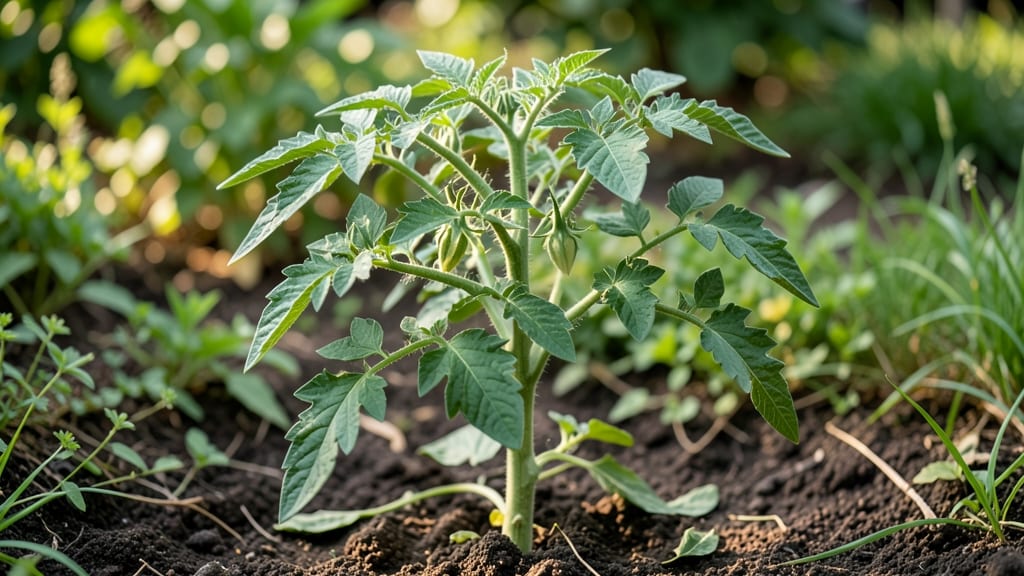
Your tomato plant without fruit is throwing flowers but no fruit, and it’s frustrating. 🌱 I’ve watched my own plants drop blossoms like they’re playing a cruel game—until I learned the three key fixes that actually work.
The good news? Most cases are fixable with simple adjustments, not a full garden overhaul.
The most common culprits are too much nitrogen (which fuels leaves, not fruit), poor pollination (especially in greenhouses or rainy weather), and inconsistent watering (fluctuations stress plants into dropping blossoms). Even pests like aphids can steal nutrients meant for fruit development. The fix isn’t complicated—just targeted.
By the end, you’ll have a plant that holds onto its flowers and starts setting fruit within 2-3 weeks of making these changes. No more wasted blossoms, no more empty vines—just plump tomatoes ready for harvest. Here’s exactly what to do next.
Works for both indoor and outdoor plants, whether you’re growing heirlooms or hybrids. Let’s get those tomatoes producing!
Hidden Reasons Your Tomatoes Aren’t Setting Fruit
Tomato plants can look lush and healthy but still refuse to produce fruit—and the reasons often lie in factors you might not expect. Understanding these causes is the first step to saving your harvest.
Below, we break down the top scientific triggers behind a tomato plant without fruit, along with actionable fixes.
Tomatoes are sensitive to temperature swings, especially during flowering and pollination. If nighttime temps drop below 55°F (13°C) or daytime temps exceed 90°F (32°C), blossoms may drop before setting fruit.
Why it happens:
- Cold stress disrupts pollen tube growth, preventing fertilization.
- Heat stress (above 85°F/29°C) causes male sterility—pollen fails to form or stick to stigmas.
- Frost or late spring chills can kill blossoms entirely.
Actionable fix:
- Shade cloth (30-50%) during heatwaves to keep temps under 85°F (29°C).
- Row covers at night if temps dip below 55°F (13°C).
- Choose heat-tolerant varieties like ‘Solar Fire’ or ‘Heatmaster’ for hot climates.
Tomatoes need consistent moisture, but fluctuations—especially during flowering—can cause blossom drop.
Why it happens:
- Drought stress reduces pollen viability and weakens the plant’s ability to support fruit.
- Overwatering (leading to root rot or soggy soil) disrupts nutrient uptake, including calcium (critical for fruit set).
- Uneven watering (e.g., dry soil followed by a deep soak) shocks the plant.
Actionable fix:
- Deep water 1-2 inches per week, keeping soil evenly moist (not soggy).
- Drip irrigation (not overhead) to avoid wetting leaves/fruit (which spreads disease).
- Mulch heavily (straw or wood chips) to retain moisture and stabilize temps.
Tomatoes self-pollinate, but wind, bees, or even gentle shaking help ensure success. Without proper pollination, flowers fall off unfertilized.
Why it happens:
- Lack of pollinators (bees, hummingbirds) in urban or greenhouse settings.
- Poor air circulation (e.g., crowded plants) reduces pollen transfer.
- Rainy or windless days prevent natural pollen movement.
- Over-fertilizing with nitrogen (too much leafy growth, fewer flowers).
Actionable fix:
- Hand-pollinate by gently shaking plants early in the morning (when humidity is low).
- Plant bee-friendly companions like basil, marigolds, or borage nearby.
- Avoid high-nitrogen fertilizers—switch to a balanced 5-5-5 or low-nitrogen (3-4-6) formula during flowering.
Tomatoes need specific nutrients at the right stages. Deficiencies or excesses can stop fruit from forming.
Why it happens:
- Calcium deficiency (often from uneven watering or high soil pH) causes blossom end rot and premature drop.
- Phosphorus shortage (key for flowering) leads to weak, non-fertile blossoms.
- Potassium deficiency weakens cell walls, making flowers abort easily.
- Too much nitrogen = leafy growth, no fruit (the plant prioritizes foliage over reproduction).
Actionable fix:
- Test your soil (pH 6.0-6.8 is ideal). Amend with lime if pH is too high.
- Side-dress with compost or bone meal (for phosphorus) at flowering time.
- Use Epsom salt (magnesium sulfate) if leaves show yellowing between veins (a calcium/magnesium sign).
- Switch to a bloom-boosting fertilizer (like 5-10-10 or fish emulsion) when flowers appear.
Hidden sap-sucking pests (like hornworms, aphids, or spider mites) and fungal infections (e.g., early blight) can stress plants into dropping blossoms.
Why it happens:
- Aphids & mites inject toxins, weakening flowers before they set.
- Hornworms devour blossoms overnight, leaving no chance for pollination.
- Fungal diseases (like powdery mildew) clog stomata, starving flowers of energy.
Actionable fix:
- Inspect leaves daily—look for holes, webbing, or sticky residue (honeydew).
- Spray neem oil (preventative) or BT (Bacillus thuringiensis) for caterpillars.
- Remove infected leaves and rotate crops to prevent soil-borne diseases.
- Encourage beneficial insects (ladybugs, lacewings) with dill or fennel companion plants.
Tomato plants compete for resources when packed too tightly. This leads to stress, weak flowers, and fruit drop.
Why it happens:
- Shaded lower leaves (from overcrowding) reduce photosynthesis, starving blossoms.
- High humidity (from dense foliage) promotes fungal growth, weakening flowers.
- Root competition means less water/nutrients reach developing fruit.
Actionable fix:
- Space plants 18-24 inches apart (or prune aggressively if growing in containers).
- Prune suckers (side shoots) to improve airflow and direct energy to fruit.
- Train vines upward (with stakes or trellises) to maximize sunlight exposure.
Even well-established tomatoes can drop blossoms if their roots are disturbed or not yet strong enough.
Why it happens:
- Recent transplanting (roots still adjusting) can’t support heavy flowering.
- Root-bound plants (in containers) struggle to absorb enough water/nutrients.
- Compaction or hard soil restricts root growth, limiting energy for fruit.
Actionable fix:
- Wait 2-3 weeks after transplanting before expecting heavy fruiting.
- Upgrade containers (minimum 5-gallon pots for determinate, 10+ gallons for indeterminate).
- Loosen soil around roots if planted in clay or compacted ground.
Not all tomato varieties fruit at the same rate, and some take longer to mature—especially in short growing seasons.
Why it happens:
- Long-day varieties (like ‘Brandywine’) need 14+ hours of light to set fruit.
- Cold-sensitive heirlooms (e.g., ‘Cherokee Purple’) struggle in short seasons.
- Young plants (under 6-8 weeks old) may not have the energy to fruit yet.
Actionable fix:
- Choose fast-maturing varieties (e.g., ‘Early Girl’, ‘Stupice’) for cooler climates.
- Use grow lights (14-16 hours/day) if indoors or in low-light areas.
- Extend the season with row covers or greenhouses for late bloomers.
If your tomato plant is healthy but not fruiting, temperature + pollination are the #1 offenders—especially in greenhouses, containers, or urban gardens where bees are scarce. Start with hand-pollination and shade cloth, then check nutrients and pests.
Pro Tip: 💡 Keep a harvest journal—track temps, watering, and flowering patterns to spot recurring issues before they become problems!
Revive Your Tomato Plant Now
When your tomato plant refuses to produce fruit, it’s time to roll up your sleeves and take action. The good news? Most issues are fixable with a few targeted tweaks.
Below, we’ve mapped out practical solutions for the most common causes of fruitless tomato plants—plus prevention tips to keep your garden thriving.
Problem: Extreme heat (above 90°F/32°C) or sudden temperature swings cause blossoms to drop before fruiting.
How to Fix It:
- 🌿 Provide shade cloth (30-50% coverage) during peak afternoon sun.
- 💦 Increase watering frequency—deep watering (1-2 inches per week) prevents stress.
- 🌱 Mulch heavily (straw or grass clippings) to keep roots cool and moist.
Prevention Tip: > 💡 Choose heat-tolerant varieties like ‘Solar Fire’ or ‘Heatmaster’ if you live in a hot climate.
Problem: Overwatering or underwatering disrupts pollination and fruit set.
How to Fix It:
- 👨🍳 Water consistently—aim for 1-1.5 inches per week (adjust for rain).
- ⏰ Water early morning to reduce evaporation and fungal risks.
- 🔥 Avoid wetting leaves (use drip irrigation or soaker hoses).
Prevention Tip: > 🎯 Test soil moisture—stick your finger 2 inches deep; if dry, water deeply.
Problem: Lack of bees or wind means flowers don’t turn into fruit.
How to Fix It:
- 🍳 Hand-pollinate by gently shaking plants or using a small brush to transfer pollen.
- 🌱 Plant bee-friendly flowers nearby (basil, marigolds, or borage attract pollinators).
- 🔪 Prune suckers carefully—remove only non-fruiting branches to avoid stressing the plant.
Prevention Tip: > ✨ Avoid heavy pesticides—opt for neem oil or insecticidal soap to protect pollinators.
Problem: Too much nitrogen (leafy growth) or missing key nutrients (phosphorus/potassium) stunts fruit.
How to Fix It:
- 📊 Test soil—amend with compost or a balanced 5-10-10 fertilizer at planting.
- 💪 Switch to a bloom-boosting fertilizer (like 7-9-5) when flowers appear.
- 🥗 Add banana peels (for potassium) or crushed eggshells (for calcium) to the soil.
Prevention Tip: > 🔥 Avoid over-fertilizing—more isn’t better! Follow package rates.
Problem: Fungal diseases (blight) or pests (hornworms) weaken plants, reducing fruit.
How to Fix It:
- 🌿 Remove infected leaves immediately and dispose of them.
- 💦 Space plants 18-24 inches apart for airflow (prevents blight).
- 🔪 Handpick pests (like hornworms) or use Bt spray (organic bacteria).
Prevention Tip: > 🌡️ Rotate crops yearly to prevent soil-borne diseases.
Final Thought: Most tomato plants rebound quickly once the root cause is addressed. Start with one fix (like watering or pollination) and monitor progress. Within 2-4 weeks, you should see blossoms turning into plump, juicy tomatoes! 🍅🔥
Frequently asked questions
Why are my tomato flowers falling off before turning into fruit?
This is called blossom drop, and it usually happens due to temperature stress (below 55°F or above 90°F), uneven watering, or nutrient imbalances. The plant prioritizes survival over fruit production when stressed. Check your watering schedule and protect plants from extreme temps with shade cloth or row covers.
How can I tell if my tomato plant needs more phosphorus or potassium?
Look for these signs: Phosphorus deficiency shows as purple stems and weak, sparse flowers, while potassium deficiency causes yellowing leaf edges and weak stems. Test your soil first—if it's lacking, switch to a bloom-boosting fertilizer (like 5-10-10) and add banana peels for potassium.
Will hand-pollinating my tomato flowers really help if there are no bees?
Tomatoes are self-pollinating, but they need help when bees are scarce. Gently shake the plant early in the morning (when humidity is low) or use a small paintbrush to transfer pollen from flower to flower. This mimics wind pollination and can dramatically increase fruit set within 5-7 days.
Can I save a tomato plant that's been over-fertilized with nitrogen?
Yes, but you'll need to flush the soil first. Water deeply for 3-4 days to leach out excess nitrogen, then switch to a low-nitrogen fertilizer (like 3-4-6). Prune back some leafy growth to redirect energy to fruit production. You should see improvement within 2-3 weeks.
What's the fastest way to fix calcium deficiency in my tomato plants?
For immediate results, mix 1 tablespoon of Epsom salt (for magnesium) and 1 tablespoon of crushed eggshells (for calcium) into 1 gallon of water, then spray it on leaves and soil. Repeat every 7-10 days. Long-term, amend your soil with compost or gypsum to prevent future deficiencies.