
Fertilization
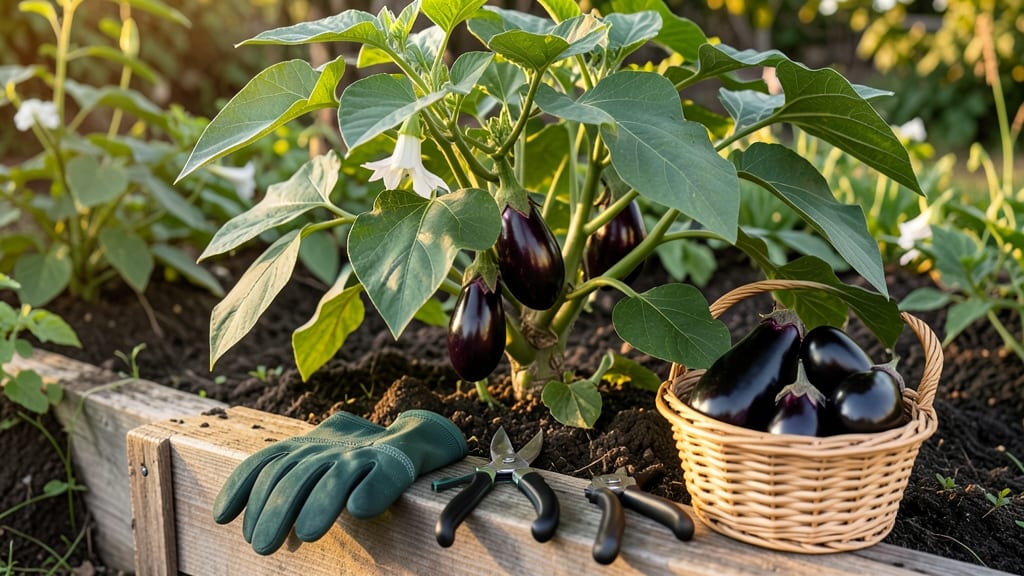
My garden’s weird-shaped fruit collection started with a single deformed heirloom tomato that looked like it belonged in a fairy tale. 🌱 These quirky plants aren’t just odd—they turn your yard into a living art gallery while still producing delicious (and sometimes bizarre) harvests.
You’ll find everything from Buddha’s Hand citrus (finger-shaped, inedible but fragrant) to dragon fruit with its scaly, neon skin, and black Krim tomatoes that grow like misshapen hearts.
Most thrive in full sun and well-draining soil, though some, like figs with twisted branches, need a little extra patience to reward you with their sculptural forms.
Imagine slicing open a peach with a heart-shaped pit or serving squash so lumpy it looks like a tiny mountain. The best part? These plants often attract pollinators and add year-round interest—even when they’re not fruiting.
I’ve sourced mine from specialty nurseries and seed swaps, but many are available online if you’re willing to wait.
For maximum impact, group them with ornamental grasses or climbing roses to highlight their shapes. And if you’re worried about weird fruit scaring off neighbors? Trust me—once they see the vibrant colors and textures, they’ll be begging for a piece (or a cutting).
📚 In This Guide
- What you need
- Instructions
- Tips and common mistakes
- Wrapping up and next steps
What you need
- ● Seeds or young plants: Choose from these weird-shaped fruit varieties (1–3 plants per type): Dragon fruit (pitaya) – Hylocereus undatus
- ● Buddha’s hand (citron) – Citrus medica
- ● Starfruit (carambola) – Averrhoa carambola
- ● Horned melon (kiwano) – Cucumis metuliferus
- ● Durian (if you’re brave!) – Durio spp.
- ● Well-draining soil: 5–10 gallons (potted) or amended garden bed soil (pH 6.0–7.0)
- ● Organic compost: 2–3 cups per plant (for nutrient boost)
- ● Slow-release fertilizer: 10-10-10 or balanced organic (e.g., fish emulsion)
- ● Mulch: Straw or wood chips (2–3 inches to retain moisture)
- ● Garden trowel or hand shovel
- ● Pruners (sterilized with rubbing alcohol)
- ● Watering can or hose with adjustable nozzle
- ● Spray bottle (for seedlings)
- ○ Optional but helpful: Trellis or stakes (for vining plants like kiwano or dragon fruit)
- ● pH test kit (to monitor soil acidity)
- ● Grow lights (if starting indoors)
- ● Sunlight: 6–8 hours/day (adjust for your climate)
- ● Temperature: Warmth-loving plants (most thrive in 70–90°F / 21–32°C)
- ● Space: Containers (15–20 gallons) or garden beds (check mature plant sizes!)
- ● Patience: Some fruits take 1–3 years to bear weirdly shaped (but delicious!) results!
How to grow curious and unusual fruit varieties at home
Ready to turn your garden into a living curiosity cabinet? These steps will help you cultivate some of nature's most fascinating fruit shapes.
🌱 Step 1: Select Varieties That Fit Your Climate
Start by choosing fruit varieties that thrive in your specific growing zone. For example, black dragon fig (a striking, elongated fruit) loves USDA zones 9-11 and full sun, while bunny tail squash (a whimsical, curled gourd) grows well in zones 3-10 with partial shade. Check seed packets for cold-hardiness notes—some tropical fruits like starfruit need year-round warmth above 60°F. I always cross-reference with local extension service guides to avoid disappointment.
Here's the thing—some unusual fruits require patience. Horned melons (with their dramatic spines) take 90-100 days to mature, while peanut apples (a cross between a tomato and a peanut) need 75-80 days. Plan your planting schedule so you're not left with half-grown oddities at frost. Mark your calendar with the last frost date and count backward from the maturity time listed on seed packets.
☀️ Step 2: Prepare Soil and Planting Conditions
Most weird-shaped fruits demand well-draining soil—rocky, sandy, or amended with compost. I mix 3 parts potting soil with 1 part perlite for container-grown varieties like bear's claw gourds, which hate soggy roots. Test your soil's pH: starfruit prefers 6.0-7.0, while black sapote (the "chocolate pudding fruit") thrives in 5.5-6.5. Adjust with lime or sulfur if needed.
For vining varieties like spaghetti squash or bunny tail squash, till in 2-3 inches of compost and add a 5-10-10 fertilizer at planting time. These plants spread aggressively—give them 10-12 feet of space unless you're growing them vertically. I use trellises with 6-foot heights for horned melons, which climb like cucumbers but produce fruit shaped like tiny, spiky lanterns.
💧 Step 3: Water and Fertilize for Optimal Growth
Water deeply once a week during establishment, then taper to every 10-14 days once roots are established—unless your area experiences 90°F+ heat, which demands daily watering. The key is consistency: weird-shaped fruits often develop misshapen or cracked skins when moisture fluctuates wildly. Use drip irrigation or soaker hoses to deliver water at soil level, avoiding leaf wetness that invites fungal diseases.
Feed plants every 4-6 weeks with a balanced organic fertilizer like fish emulsion or worm castings. When flowers appear, switch to a low-nitrogen, high-phosphorus formula (like 5-10-10) to encourage fruiting. I notice bear's claw gourds produce more dramatic curls when given an extra boost of potassium during flowering—just follow the label rates to avoid overdoing it.
✂️ Step 4: Prune and Support for Maximum Oddity
Prune aggressively to shape vines and encourage branching. For peanut apples, pinch off the main stem when it reaches 18 inches tall to trigger bushier growth with more fruit clusters. With horned melons, remove the first few flowers to let the plant focus energy on developing stronger, spikier fruit later in the season. Use soft pruners and make cuts just above a leaf node to prevent disease entry.
Support vines with strong trellises or cages. I've seen bunny tail squash vines reach 15 feet if left unchecked—train them vertically to save space and prevent soil-borne diseases. For starfruit, which grows as a small tree, stake young plants at 6 inches tall and tie stems loosely to the support. The goal is to keep plants upright so fruit develops its signature star-shaped cross-section without deforming.
🍎 Step 5: Harvest at Peak Quirkiness
Harvest most unusual fruits when they reach full color and firmness, but timing varies wildly. Black dragon figs turn deep purple when ripe—wait until they're fully glossy before picking. Bear's claw gourds should be harvested when their tendrils die back, usually 90-100 days after flowering. For peanut apples, pick when they're bright red and slightly soft to the touch—they don't ripen further off the vine.
Handle weird-shaped fruits carefully—they're often delicate. Horned melons have sharp spines that can puncture skin, so wear gloves when harvesting. Store most varieties in a cool, dry place (around 55-60°F) for 1-2 weeks. Some, like black sapote, actually improve in flavor when stored at room temperature for a few days after harvest. Cut open a few to taste-test—you'll know when you've hit the sweet spot of oddity perfection.
Tips & tricks for cultivating curious fruit varieties
Growing these botanical oddities takes a little extra know-how—here's how to avoid the most common pitfalls and maximize your garden's quirky potential.
Climate Cross-Checking: Don't just rely on seed packets! Check your local extension service's microclimate maps—some fruits like black sapote need consistent warmth above 60°F even in summer. I've seen gardeners plant starfruit in zone 9 only to have it fail because their backyard sits in a frost pocket. Use a minimum-maximum thermometer for two weeks to confirm your actual growing conditions before committing to tropical varieties.
Soil Science Matters: The 3:1 potting soil to perlite mix is non-negotiable for container-grown varieties like bear's claw gourds. I learned this the hard way when my first attempt with straight potting soil led to root rot—those gourds literally melted in their pots. For in-ground planting, amend heavy clay soils with 25% sand or coconut coir to improve drainage. Test your soil's pH before planting: starfruit's 6.0-7.0 range is surprisingly narrow compared to what most gardeners assume.
Pruning Strategy: When pinching back peanut apple stems at 18 inches, make your cuts just above the third leaf node from the top. This creates a branching pattern that produces more fruit clusters. For horned melons, remove the first three flowers to force the plant to develop stronger vines first—this leads to fruit with more dramatic spines later in the season. Use soft pruners and sterilize them with rubbing alcohol between cuts to prevent disease spread.
Harvesting Caution: Those horned melon spines aren't just for show—they're sharp enough to puncture gloves! I recommend using heavy-duty gardening gloves when harvesting these varieties. For black dragon figs, wait until they're fully glossy and deep purple—any earlier and they'll be mealy inside. Store harvested fruits in perforated bags to allow airflow while maintaining humidity, especially for varieties like peanut apples that bruise easily.
Pro Tips for Weird Shaped Fruit
- Growing these botanical oddities takes a little extra know-how—here's how to avoid the most common pitfalls and maximize your garden's quirky potential.
- Climate Cross-Checking: Don't just rely on seed packets!
- Soil Science Matters: The 3:1 potting soil to perlite mix is non-negotiable for container-grown varieties like bear's claw gourds.
Frequently asked questions
Got questions about these quirky garden fruits? You’re not alone—growers often wonder about care, harvest timing, and even how to use these odd-shaped edibles! Here are answers to the most common queries:
Why do some fruits grow weird shapes in my garden?
Uneven shapes often result from pollination issues, nutrient imbalances, or genetic quirks in heirloom varieties. Overcrowded plants or pest damage can also warp growth. Don’t stress—many "weird" fruits are just as tasty as their conventional counterparts!
When is the best time to harvest weird-shaped fruit?
Harvest when the fruit reaches full size but is still slightly firm—this ensures peak flavor and texture. For example, bizarrely shaped tomatoes should yield to gentle pressure like a ripe avocado. Check the plant’s specific variety for exact timing, as some mature faster than others.
Can I eat fruit with odd shapes or growths?
Yes! Most "weird" fruits are perfectly edible—just avoid those with mold, soft spots, or pest holes. Wash thoroughly before eating. If unsure, cut open to inspect the flesh. Deformed but disease-free = safe to snack on!
How do I prevent weird-shaped fruit in future harvests?
Improve growing conditions: prune plants for airflow, fertilize evenly (avoid nitrogen overload), and hand-pollinate if needed (use a paintbrush to transfer pollen). Choose disease-resistant varieties and space plants properly to reduce stress.
What are some creative ways to use weird-shaped fruit?
Embrace the fun! Chunky tomatoes make great salsas, lopsided peppers add flair to stir-fries, and irregular melons star in refreshing salads. Preserve extras by pickling, freezing, or making jams—their unique shapes often make them conversation starters!
Wrapping up and next steps
From bumblebee-shaped kiwano melons to star-like carambolas, nature’s weirdest fruits prove that strange shapes don’t mean strange flavors! 🌱 Whether you’re growing them for fun, sustainability, or a unique harvest, these quirky edibles add excitement to any garden—and your plate. Ready to get hands-on? Start small by planting one of these oddball fruits this season, and watch your green space (and taste buds) transform!
💡 Pro Tip: Share your harvest with friends or snap a pic—tag us @WeirdFruitGarden to inspire others to try their hand at growing the unusual!