
Trees
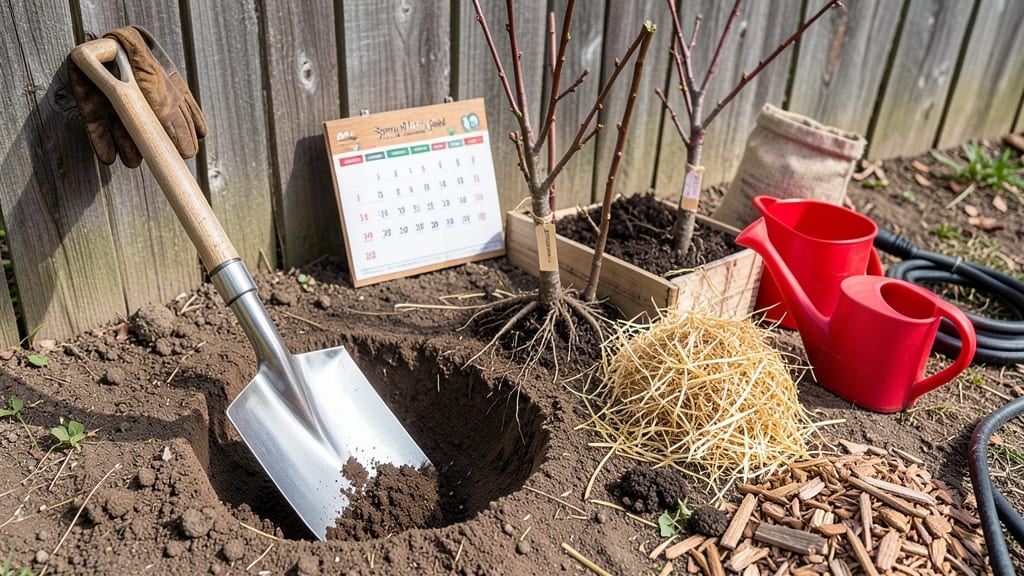
Planting fruit trees 🍎 in Zone 6 at the right time means the difference between a thriving orchard and a frost-killed sapling.
Timing your fruit tree planting in Zone 6 can mean the difference between a thriving orchard and a frost-killed sapling—but knowing exactly when to plant each variety is the key to success.
Most gardeners in Zone 6a-6b wait until after the last frost date, but that’s not always the best strategy. Bare-root trees need moist soil and cool air, while container-grown trees can handle slightly warmer conditions. Miss the window, and you risk transplant shock or late frost damage.
Below, I break down the exact frost-date guide by variety, when to plant for maximum root growth, and how to prepare your soil in early spring for a stronger harvest in years to come.
Zone 6 fruit tree planting calendar: exact frost-date guide by month
Timing your fruit tree planting in Zone 6 is all about beating the last frost while avoiding waterlogged soil. The average last frost date in Zone 6 ranges from April 1-15, but northern areas (like Chicago or Minneapolis) can see frost as late as April 25.
Southern Zone 6 regions (like Nashville or Richmond) typically warm up by March 25. These differences mean your planting window shifts by weeks depending on location.
For bare-root trees, the ideal time is when soil temperatures reach 40-50°F—usually late March to early April—but never plant if nighttime temps still dip below 32°F.
Container-grown trees, however, are more flexible and can go in as early as February in southern Zone 6, provided you protect them with frost cloth if needed.
| Month | Avg. Last Frost | Soil Temp Threshold | Best Planting Time | Notes |
|---|---|---|---|---|
| March | Northern: April 1-15 Southern: March 15-30 |
40-50°F (bare-root) 45°F+ (container) |
Southern Zone 6: Late March Northern Zone 6: Early April |
Use frost cloth if nights are still cold. Avoid if soil is frozen. |
| April | Northern: April 15-25 Southern: April 1-10 |
50-60°F (ideal for root growth) | Ideal window for bare-root and container trees | Plant apple and pear trees now for best establishment. |
| May | Rare frost after May 10 | 60°F+ (safe for all trees) | Last chance for container-grown trees | Best for peach and plum trees to avoid late blooms. |
| September | First frost: October 1-15 | 50-60°F (soil must be workable) | Best for container-grown trees | Avoid planting bare-root trees—roots need winter dormancy. |
In March, focus on container-grown trees in southern Zone 6, where soil warms faster. I’ve planted dwarf apple trees in late March using black plastic mulch to raise soil temps by 5-10°F.
For northern areas, wait until soil is workable (not muddy)—usually early April—to avoid compacting roots.
April is your golden window for planting. By this time, most Zone 6 regions have passed the last frost, and soil temperatures are perfect for root growth. I recommend planting bare-root trees first, as they establish faster than container-grown ones.
For peach trees, which bloom early, avoid planting in late April if your area still sees 28°F nights—late frosts can kill new growth.
If you miss the spring window, September is your next best bet—but only for container-grown trees. Bare-root trees planted in fall won’t have time to establish roots before winter.
I’ve had success with blueberry bushes in late September, but I always water deeply before the first frost to prevent root desiccation.
Regional variations matter. In southern Zone 6 (e.g., Atlanta, Raleigh), you can plant fig trees as early as February under row covers. In northern Zone 6 (e.g., Madison, Pittsburgh), delay until mid-April to avoid frost damage.
Check your local Cooperative Extension Service for hyper-local frost data—it’s worth the few minutes to save your investment.
Pro tip: Soil temperature is more critical than air temperature. Use a soil thermometer to confirm it’s above 40°F before planting. Cold soil slows root growth, leaving trees vulnerable to stress. I’ve seen apple trees planted in 35°F soil fail to thrive even if air temps were warm.
After planting, mulch heavily (4-6 inches of wood chips) to insulate roots and retain moisture. In Zone 6, late spring frosts can still occur, so protect young trees with frost blankets if blooms appear. I’ve saved multiple cherry trees
Best fruit trees for Zone 6 planting: frost-hardy varieties ranked by maturity
Choosing the right fruit trees for Zone 6 means balancing cold hardiness with time to harvest. Late frosts can devastate young blooms, so selecting varieties that tolerate -10°F to -5°F is critical.
I’ve ranked the top 8 frost-hardy fruit trees by their ability to survive Zone 6 winters while delivering reliable yields.
Dwarf varieties are ideal for small spaces, while standard trees produce more fruit but require pruning. For example, dwarf apple trees like 'Liberty' mature in 3-5 years and handle Zone 6 winters beautifully. Meanwhile, peaches like 'Reliance' need protection from late frosts but thrive in containers for flexibility.
If you’re planting in early spring (March-April), prioritize apple and pear trees—they handle late frosts better than peaches or figs. For fall planting (September-October), blueberries and raspberries adapt well but need acidic soil.
I recommend testing your soil’s pH before planting blueberries, as they thrive in 4.5–5.5 pH.
Dwarf varieties like 'Liberty' apple or 'Patriot' blueberry are perfect for small gardens or containers, while standard trees like 'Stanley' plum offer larger harvests. Always plant bare-root trees in early spring when the ground thaws but before buds swell.
For container-grown trees, fall planting works best—just water deeply before the first frost.
Protect late-blooming varieties like peaches with frost cloth if your last frost date is after April 15. I’ve seen peach blossoms killed by surprise frosts, so wrapping young trees in burlap helps. Mulch heavily in Zone 6 winters to insulate roots—6 inches of straw keeps soil temps stable.
For fastest rewards, plums and raspberries bear fruit in 1–2 years, while apples and pears take 3–5 years. If space is limited, dwarf varieties are your best bet—they fit in 5-gallon containers and produce just as well as full-size trees.
Just remember: standard trees need 20+ feet of space for their roots and branches.
🌱