
Companion Plants
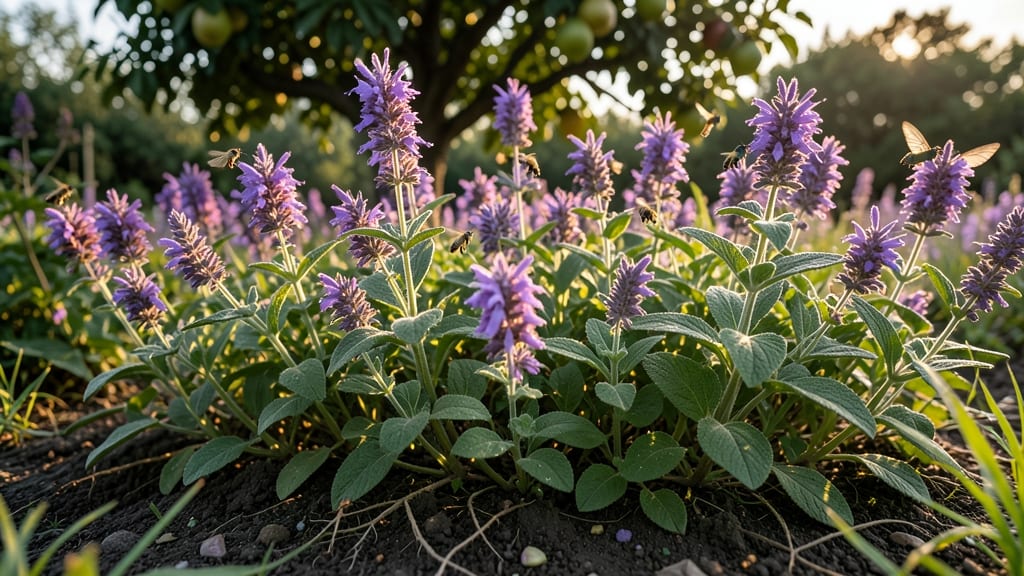
Struggling to maximize space and health in your orchard? The right shade-loving plants under fruit trees improve soil fertility, deter pests, and create a thriving ecosystem—without competing for sunlight. These 10 perennials are proven to boost fruit production while keeping your garden lush and low-maintenance.
Comfrey for Nutrient-Rich Compost Tea
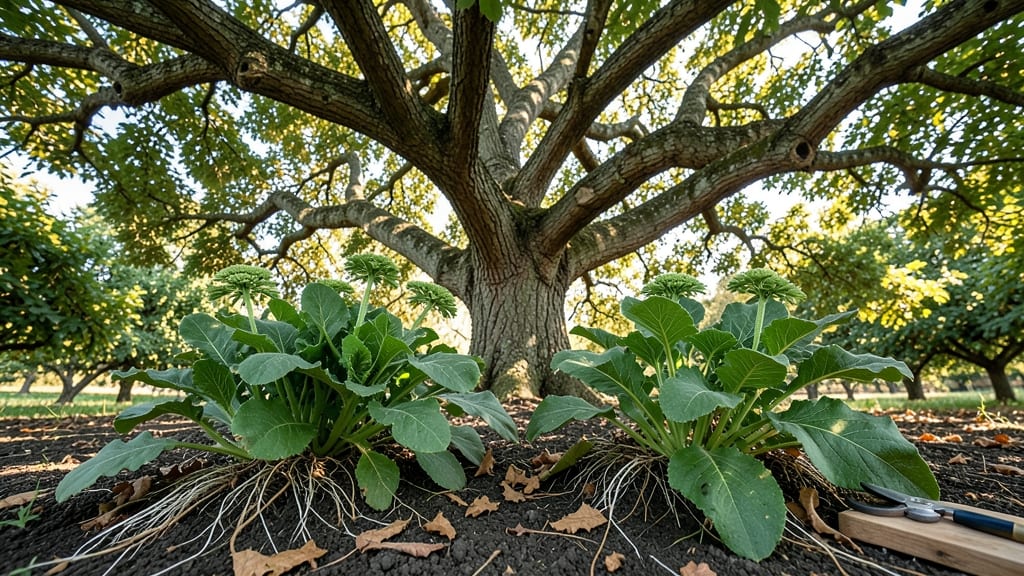
If your fruit trees are hungry for nutrients but you’re not ready to dig in heavy fertilizer, comfrey is your secret weapon. This hardy perennial acts like a nutrient vacuum, pulling nitrogen, potassium, and phosphorus from deep soil layers and making them available to your trees through a simple process called chop-and-drop mulching.
Plant comfrey (especially varieties like Bocking 14) in the dappled shade under your fruit trees, where its 3-4 foot tall leaves can thrive without competing for sunlight. Every 4-6 weeks, simply chop the leaves and stems and scatter them around the tree’s drip line—no compost pile needed. The decomposing plant matter releases nutrients slowly, feeding your tree’s roots all season long. It’s especially valuable for organic orchards where chemical fertilizers are off the table.
This low-maintenance plant also deters pests like cabbage moths and slugs, making it a dual-purpose workhorse for your understory. Perfect for gardeners who want to reduce waste and boost soil health with minimal effort. 💚
Clover Ground Cover for Nitrogen Fixation
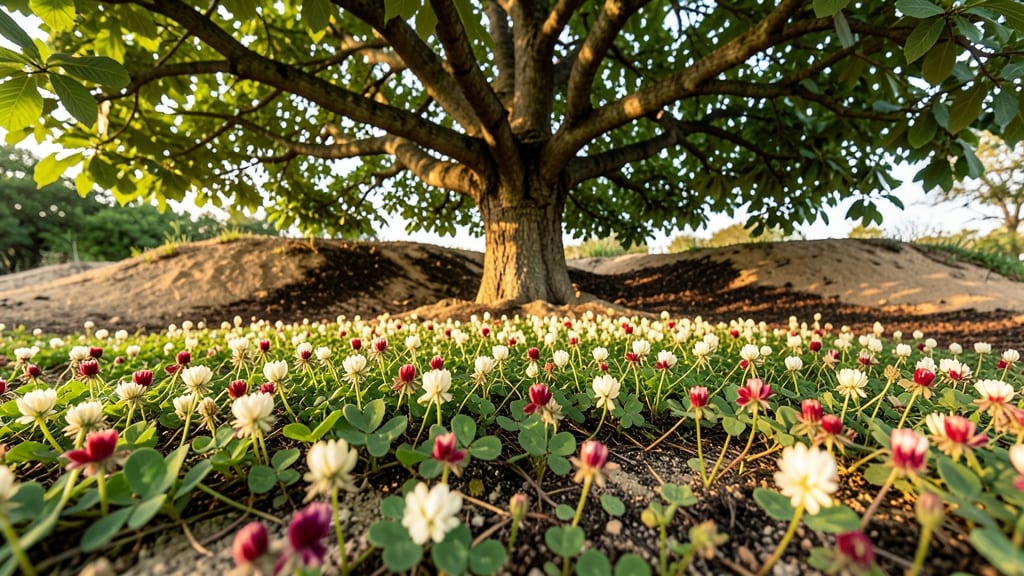
If your fruit tree’s soil feels depleted or sandy, white or red clover is your secret weapon—a fast-growing ground cover that transforms poor soil into a nutrient-rich haven. Unlike traditional mulches, clover fixes atmospheric nitrogen directly into the soil, giving your fruit trees a steady supply of this critical nutrient without synthetic fertilizers.
Plant white clover for a low-growing, dense mat that thrives in partial shade, or choose red clover for a slightly taller, more vigorous option that blooms beautifully. Both varieties suppress weeds naturally, reducing your maintenance workload while protecting tree roots from temperature extremes. For best results, mow or trim clover flowers before they go to seed to encourage leafy growth and prevent self-seeding where you don’t want it.
This living mulch is especially valuable for sandy soils or areas where soil health is a concern, as it improves structure and moisture retention over time. Urban gardeners with limited space will love how clover fits neatly under dwarf fruit trees while delivering long-term benefits. 🌱
Hostas for Pest-Repelling Shade Beauty
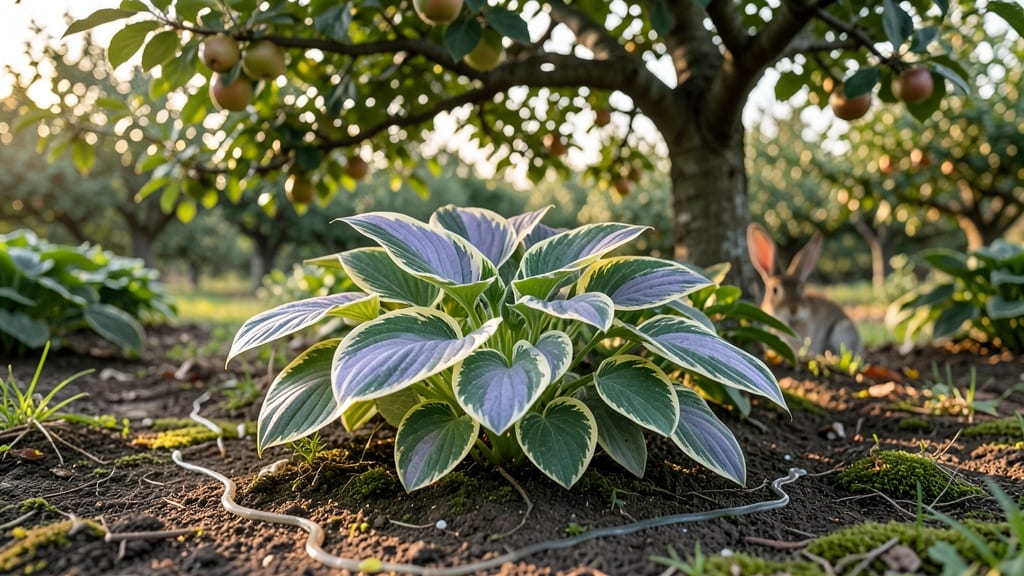
Looking for a low-maintenance way to add beauty and pest protection under your fruit trees? Hostas are the perfect solution—these shade-loving perennials not only deter slugs and rabbits but also create stunning visual contrast with their variegated foliage. Unlike other understory plants, hostas have shallow roots, so they won’t compete with your fruit trees for water or nutrients.
Choose varieties like 'Blue Angel' or 'Francee' for bold patterns that thrive in partial to full shade. Plant them in clusters around the tree’s drip line, keeping them at least 2 feet away from the trunk. Their lush leaves also help suppress weeds naturally, reducing the need for mulch or herbicides. For extra impact, pair them with ferns or astilbes for a layered, woodland-inspired look.
Hostas are especially great for gardeners who want to blend aesthetics with function—ideal for urban orchards, small backyards, or any space where you need both beauty and pest control. 🌿
Strawberries for Early Season Fruit
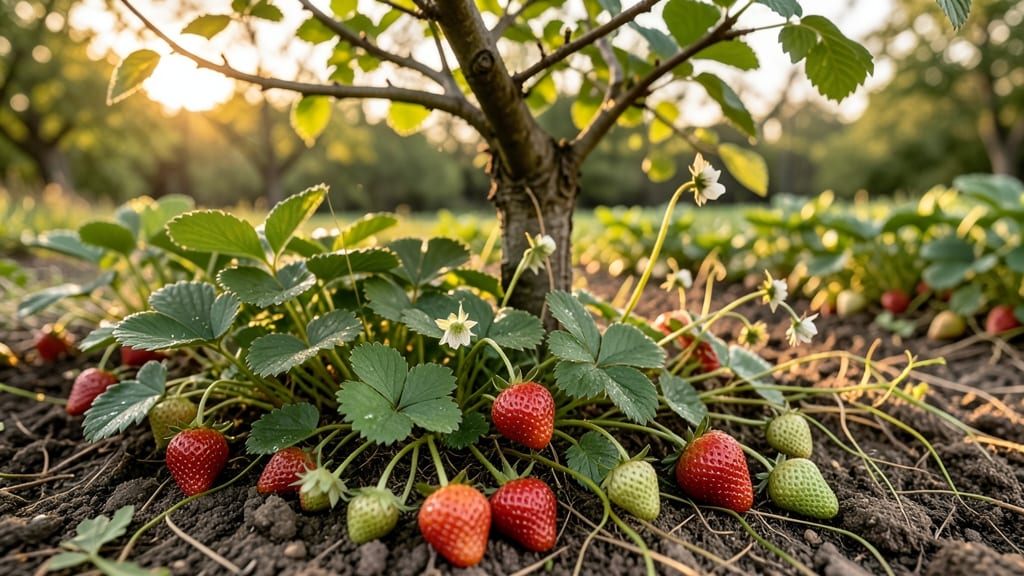
Want to enjoy fresh strawberries before your fruit tree’s canopy fully closes? Alpine or everbearing strawberries are your secret weapon—they thrive in partial shade and deliver early harvests while improving soil structure.
These compact varieties produce fruit in early spring and again in fall, making them ideal for pollinators starving for nectar. Their shallow roots aerate the soil without competing with deeper fruit tree roots, and they tolerate dappled light perfectly. Just keep them mulched to retain moisture and watch for slugs in damp conditions.
Perfect for small spaces or urban orchards, these strawberries add both beauty and bounty while supporting your fruit tree’s ecosystem. 🌻
Lavender for Pollinator Attraction
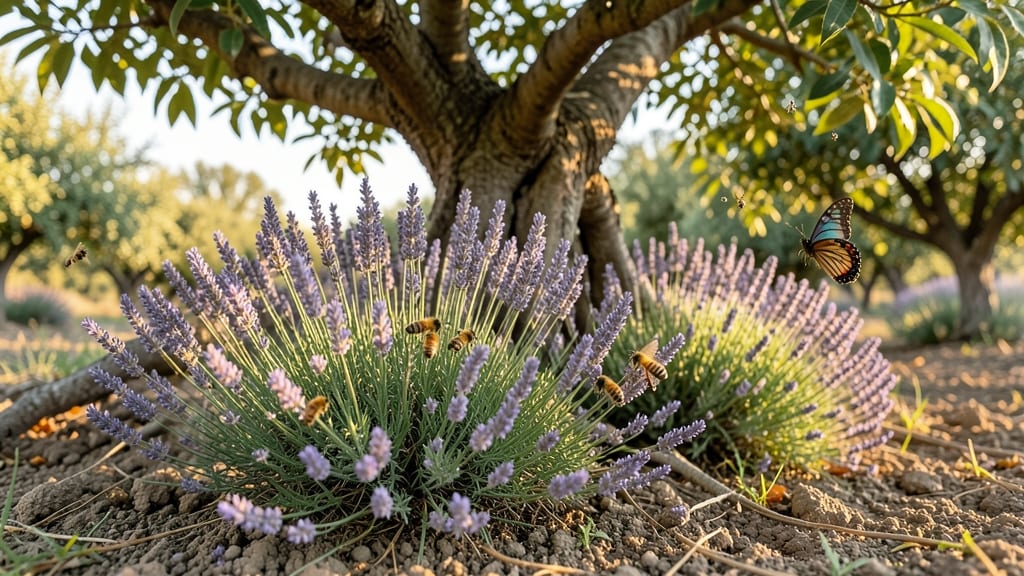
Want to turn your orchard into a buzzing hub for pollinators while keeping pests at bay? Lavender is your secret weapon—its fragrant blooms lure bees and butterflies, while its strong scent repels aphids and other fruit pests that plague trees.
This drought-tolerant perennial thrives in well-drained soil with just 4-6 hours of sun daily, making it perfect for the dappled shade under fruit trees. Plant English lavender or Spanish lavender varieties 18-24 inches from tree trunks to avoid root competition. The silvery foliage adds striking contrast to dark tree bark or lush green grass, while its long bloom season (summer through fall) keeps pollinators fed year-round.
Urban gardeners and organic orchardists will love lavender’s dual-purpose role—it’s both a living mulch and a fragrant border. Plus, harvesting the flowers for sachets or tea adds an extra layer of garden enjoyment! 🌻
Chamomile for Soil Microbial Health
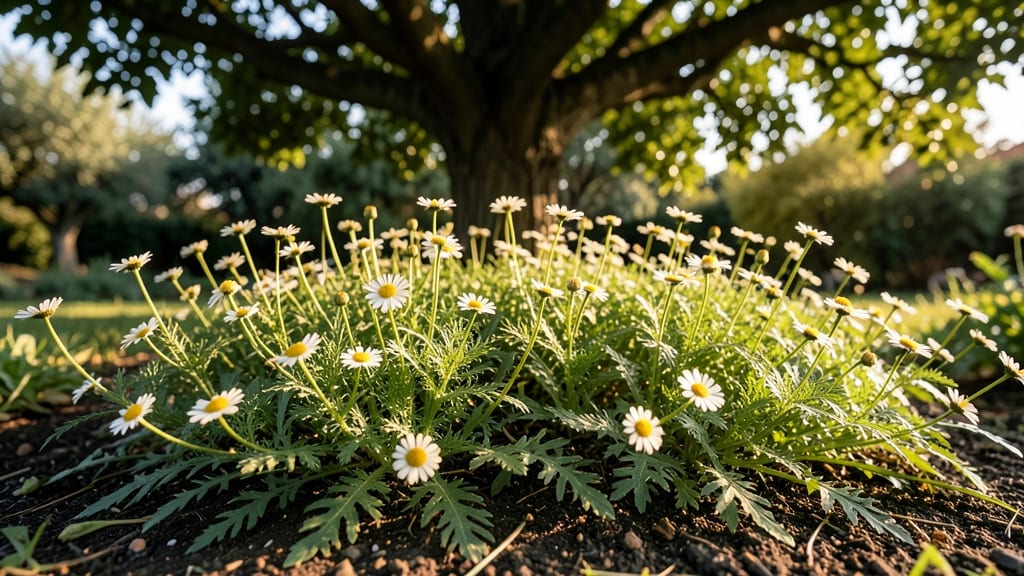
Looking for a plant that quietly boosts your fruit tree’s health without stealing its spotlight? Chamomile is the under-the-radar hero that improves soil microbial life while keeping pests at bay—all with its gentle, sun-kissed blooms.
This hardy perennial forms a low-growing mat that thrives in partial shade, releasing compounds through its roots that stimulate beneficial fungi and bacteria. The result? Healthier soil structure, better nutrient uptake for your fruit trees, and natural resistance to diseases like root rot. Plus, its delicate chamomile scent repels common orchard pests like aphids and spider mites without harsh chemicals.
Perfect for organic gardeners and those seeking a low-maintenance ground cover, chamomile also self-seeds lightly, creating a fragrant, pollinator-friendly carpet under your trees. 🌿
Ferns for Moisture-Retentive Shade
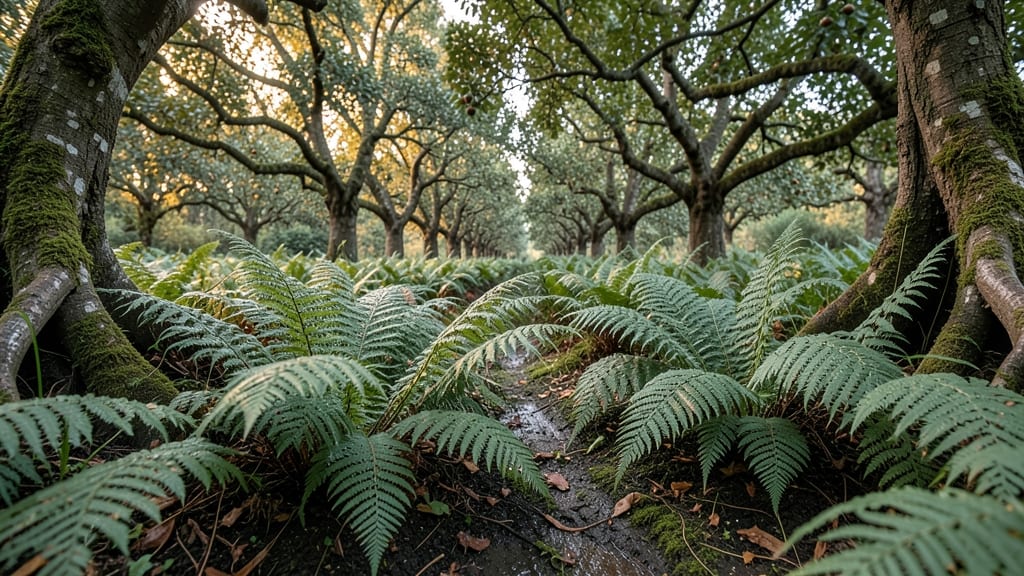
If your orchard has damp, shady spots where other plants struggle, native ferns like maidenhair or ostrich fern are your secret weapon. These lush, low-maintenance plants thrive in moist, shaded conditions, creating a verdant carpet that prevents soil erosion while adding texture and movement to your understory.
Ferns like ostrich fern (with its bold, feather-like fronds) or maidenhair fern (delicate and elegant) grow best in well-draining but consistently moist soil, making them perfect for areas under drip irrigation or natural water accumulation. Their non-invasive roots won’t compete with fruit trees, and they naturally suppress weeds by outcompeting them for space. For best results, plant in spring or early fall and mulch with leaf litter or shredded bark to retain moisture.
These ferns are ideal for gardeners who love a forest-like atmosphere under their fruit trees, especially in Pacific Northwest or Appalachian climates where humidity lingers. They also attract beneficial insects like ladybugs, creating a balanced ecosystem. 🌿
Garlic Chives for Pest Deterrence
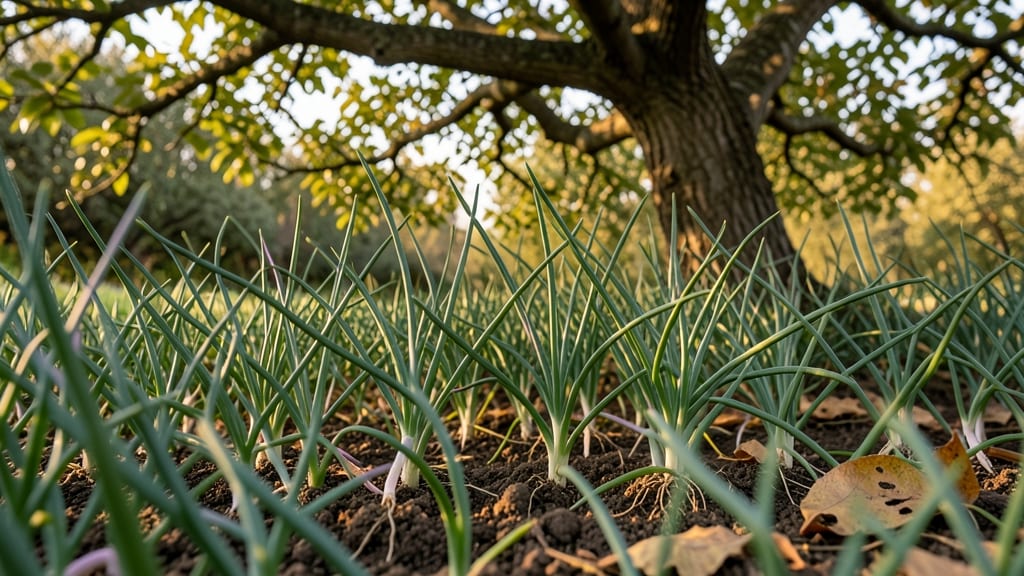
Tired of codling moths turning your apples into wormy disappointments? Garlic chives are your secret weapon—this hardy perennial naturally repels pests while thriving in the dappled shade under fruit trees. Their mild onion-garlic scent confuses moths and other fruit pests, reducing damage without harsh chemicals.
Plant them in spring or fall just 6–12 inches from tree trunks, where their low-growing habit (12–18 inches tall) fits perfectly in tight spaces. Snip leaves as needed for cooking, and let the flowers go to seed to attract beneficial insects. The bonus? Their chopped foliage adds a subtle pest-repelling flavor to the soil.
Urban gardeners and small-space orchard owners will love how garlic chives fit under dwarf fruit trees while keeping pests at bay. 🌱
Thyme for Drought-Resistant Mulch
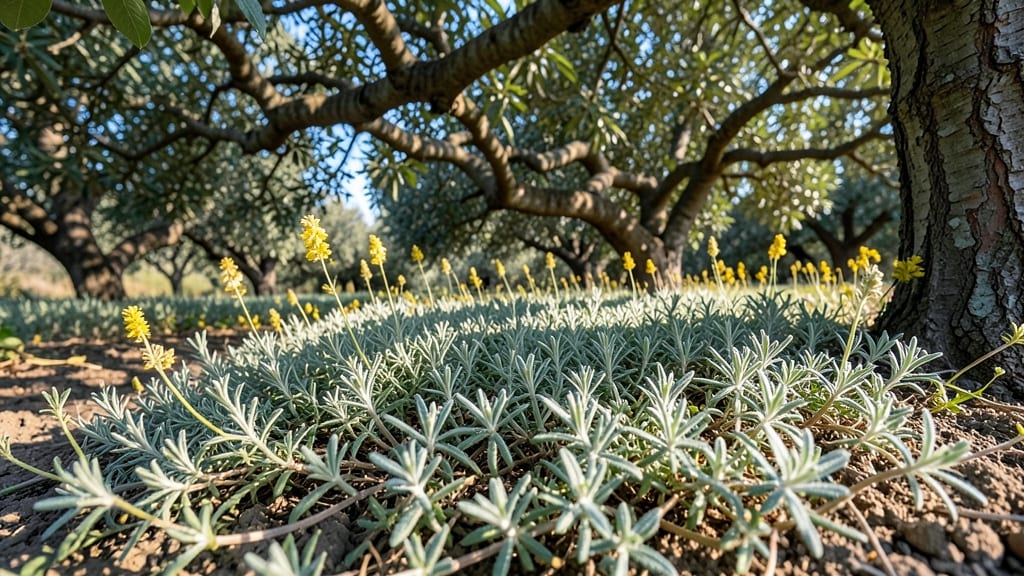
If you're tired of battling weeds under your fruit trees while also dealing with dry soil, creeping thyme is your all-in-one solution. This hardy ground cover thrives in dry, sunny, or partially shaded conditions—perfect for the dappled light beneath most orchard trees.
Plant creeping thyme (Thymus serpyllum) in early spring or fall, spacing plants about 12 inches apart to allow for full coverage. Its woody stems and tiny leaves create a dense mat that suppresses weeds naturally while retaining moisture in the soil. The aromatic foliage deters pests like rabbits and deer, and its delicate purple flowers add seasonal beauty. Plus, you can harvest leaves for culinary use—imagine fresh thyme from your own orchard! 🌱
Wild Bergamot for Bee Foraging

Want to turn your orchard into a buzzing, pollinator-friendly haven that also improves your fruit tree’s soil? Wild bergamot (also called bee balm) is the perfect year-round solution—its fragrant purple blooms attract bees, butterflies, and hummingbirds from early summer through fall, while its deep roots prevent soil compaction and improve drainage.
This hardy native perennial thrives in partial shade to full sun and tolerates a wide range of soil types, making it ideal for under fruit trees. Plant it in clusters of 3-5 around the tree’s drip line, where its 3-4 foot height won’t compete for sunlight but will create a pollinator magnet. Deadhead spent blooms in late summer to encourage a second flush of flowers, and avoid planting near mint family members if you’re concerned about spreading.
Wild bergamot is especially valuable for organic orchards and gardeners who want to boost fruit production naturally—its deep roots also help break up compacted soil, improving water and nutrient uptake for your trees. Plus, its medicinal properties make it a bonus for herbalists! 🌻