
Vegetables
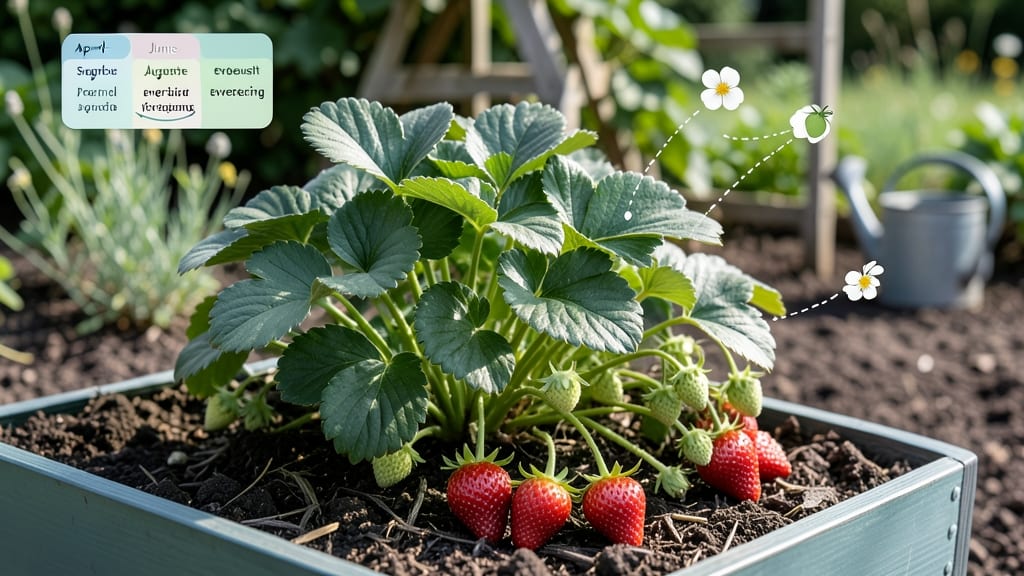
Strawberries produce fruit in late spring through summer, but the exact timing depends on your variety and climate zone—miss it, and you’ll watch those sweet berries turn to mush on the vine.
Picture this: you’ve waited months for your 🍓 strawberries to ripen, only to find they’re overripe before you can pick them. That’s why knowing whether you’ve got June-bearing, everbearing, or day-neutral varieties—and how your local frost dates play into it—isn’t just helpful, it’s essential.
June-bearing types deliver a single massive harvest in June-July, while everbearing varieties give you two smaller flushes—spring and fall. Day-neutral? They keep producing all season long, but only if you plant them right.
I’ll break down the exact windows for each, plus how to adjust for your zone so you’re harvesting at peak flavor, not scrambling to save a crop.
You’ll learn when to expect your first berries, how to extend the season, and the one trick that turns a mediocre harvest into a bounty—no matter where you garden.
Strawberry fruit production timeline by variety: June-bearing vs. everbearing vs. day-neutral
Understanding when do strawberries produce fruit depends entirely on the variety you grow. Each type has a distinct fruiting pattern that determines your harvest windows. June-bearing varieties deliver a single massive crop, while everbearing and day-neutral types offer staggered or continuous production.
Let me break down the key differences so you can choose the best variety for your garden goals.
The June-bearing strawberry is the classic choice for most gardeners, producing nearly all its fruit in one 4-6 week window during late spring to early summer. Popular varieties like Chandler and Jewel deliver sweet, high-quality berries that are perfect for jam-making or fresh eating.
However, this single flush means you'll need to plan for a second-year harvest if you want continuous production.
Everbearing strawberries bridge the gap between June-bearing and day-neutral types, offering two main harvests per season. The first flush occurs in early summer, followed by a secondary crop in fall. Varieties like Aliso and Ozark Beauty produce smaller berries but provide a longer harvest window. In warmer climates, everbearing types may even produce a small third flush in late fall.
Day-neutral strawberries like Seascape and Tristar are the superstars of continuous production. These varieties produce fruit throughout the growing season, from early summer until the first frost. While individual berries may be smaller, the steady supply makes them ideal for fresh eating and container gardening. Day-neutral types thrive in both cool and warm climates, offering flexibility for different growing zones.
| Variety Type | Primary Harvest Window | Secondary Flush | Example Varieties | Best For |
|---|---|---|---|---|
| June-Bearing | Late May - June (4-6 weeks) | None (unless planted in fall) | Chandler, Jewel, Honeoye | Large berries, jam-making |
| Everbearing | Early June & September-October | Fall (smaller crop) | Aliso, Ozark Beauty, Portola | Extended harvest, small gardens |
| Day-Neutral | June through first frost | Continuous production | Seascape, Tristar, Fort Laramie | Containers, fresh eating, warm climates |
For June-bearing varieties, the first-year harvest typically occurs 60-90 days after planting, depending on your climate. In USDA Zone 5, Chandler strawberries often ripen in late May to early June, while in Zone 8, the window shifts to April-May.
The key to maximizing production is removing all flower buds during the first year to encourage strong root and crown development.
Everbearing types like Aliso produce their first flush in early summer, with berries ripening about 50-60 days after planting. The secondary crop appears in late summer to fall, typically 4-6 weeks after the first harvest.
To extend your harvest, remove the first flush of flowers in Zone 3-5 gardens to encourage a stronger fall crop, as cooler temperatures can limit summer production.
Day-neutral varieties like Seascape begin producing fruit 45-60 days after planting and continue until frost. In Zone 7 and warmer, this means a near-continuous harvest from June to October.
The trade-off is smaller berries, but the steady supply makes them perfect for container gardening on patios or balconies where space is limited.
Your planting time directly impacts fruiting timing. June-bearing varieties planted in early spring produce their first harvest the following year, while those planted in late summer or fall may fruit the same year.
Everbearing and day-neutral types planted in spring or fall can produce fruit within 60-90 days, depending on the variety and climate.
To encourage larger berries in June-bearing varieties, thin fruit clusters to 3-4 berries per stem during the harvest window. For everbearing types, focus on removing weeds and watering consistently to support both flushes. Day-neutral varieties benefit from regular pruning of old leaves to maintain vigorous growth throughout the season.
Climate plays a crucial role in fruiting timing. In cooler climates (Zones 3-5), June-bearing varieties may produce their main crop in late June to July, while everbearing types struggle with the second fall flush due to early frosts. In warmer climates (Zones
How climate Zones affect strawberry harvest windows: USDA Zones 3-10 guide
Your USDA climate zone determines when strawberries produce fruit, shaping everything from planting dates to frost risks. In Zone 3, cold-hardy varieties like Honeoye thrive, while Zone 10 gardeners enjoy year-round harvests with heat-tolerant picks like Camarosa.
Understanding these regional differences helps you align your strawberry varieties with local frost dates for maximum yield.
In cooler zones (3-5), strawberries typically produce fruit in late June through July, while warmer zones (8-10) may see multiple harvests spanning spring to fall.
The key is matching your planting time to your zone’s last frost date—planting too early in cold climates risks frost damage, while late planting in warm zones delays fruit production.
| USDA Zone | Frost Window | Harvest Window | Best Varieties |
|---|---|---|---|
| 3-4 | May 15 - June 1 | Late June - Early August | Honeoye, Jewel |
| 5-6 | April 15 - May 10 | June - August | Chandler, Albion |
| 7-8 | March 1 - April 15 | May - September | Seascape, Tristar |
| 9-10 | None (year-round) | Spring-Fall (continuous) | Camarosa, San Andreas |
In Zones 3-4, where frost lingers late, opt for June-bearing varieties like Honeoye, which produce a single massive harvest after surviving winter dormancy.
These varieties need cold stratification (4-6 weeks below 40°F) to flower, so plant them in early spring—just as soil thaws—to avoid early blooms that frost can damage.
Warmer zones (7-10) offer flexibility with everbearing and day-neutral varieties. In Zone 7-8, Seascape produces fruit in late spring, again in summer, and even a fall flush before frost.
Meanwhile, Zone 10 gardeners can grow Camarosa year-round, harvesting every 2-3 weeks with proper watering and shade cloth during peak summer heat.
Adjust your planting schedule based on your zone: In Zones 3-5, plant in late spring (after last frost) to avoid winter kill, while Zones 8-10 allow fall planting for winter harvests. Use row covers in early spring (Zones 3-6) to extend the season and protect blossoms from late frosts.
Pro tip: In Zones 9-10, mulch heavily in summer to prevent soil from overheating, which can stress plants and reduce fruiting. For Zones 3-5, prioritize cold-hardy varieties and plant near a south-facing wall to capture warmth and extend the growing season.