
How To
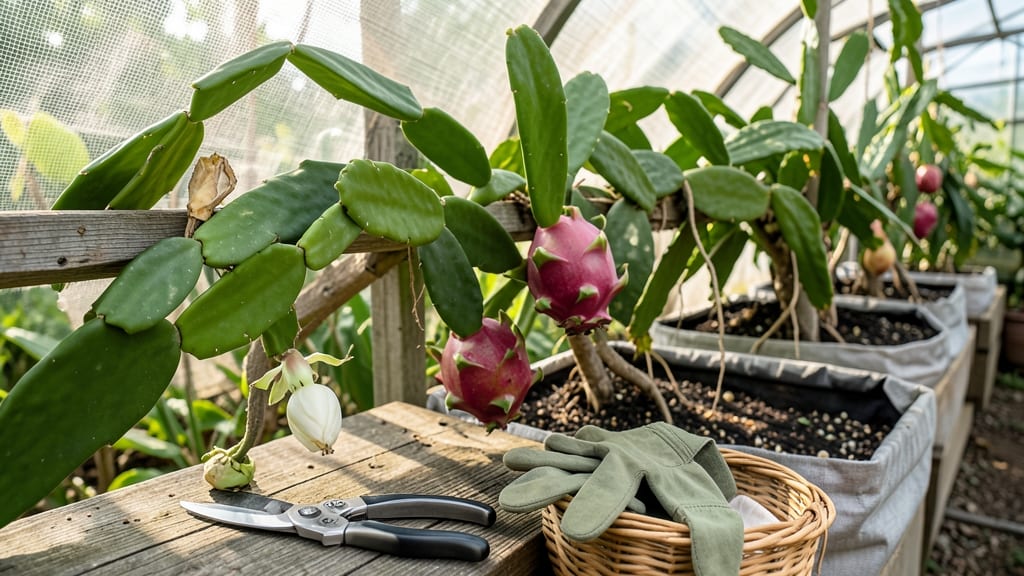
Dragon fruit is ready to pick when its skin deepens to a vibrant pink, purple, or yellow—no green patches—and the fruit gently detaches with a slight twist 🐉.
Picture this: you’ve waited 18 months for your first harvest, only to reach for a fruit that’s still rock-hard or smells fermented. That’s the difference between a perfect harvest and a wasted effort. The key? Knowing the three visual cues that never lie about ripeness.
Most gardeners miss the subtle shift in skin texture or the way the stem base dries out at the right moment. These details matter more than you think—especially in General (Tropical/Subtropical) zones where heat speeds up ripening. One wrong move, and you’re left with fruit that’s either bitter or mushy.
In this guide, I’ll show you how to test ripeness without cutting open a single fruit, plus the exact day and season to harvest for the sweetest, most flavorful dragon fruit your plant has ever produced.
3 Visual cues dragon fruit growers miss when checking ripeness
Dragon fruit ripeness isn’t just about guessing—it’s about spotting three key visual cues that reveal the perfect harvest moment. Many growers overlook subtle differences between pink-fleshed and white-fleshed varieties, leading to missed harvests or mealy fruit.
The skin color, stem separation, and fruit texture all change dramatically as the fruit matures, and ignoring these can mean the difference between a sweet, juicy reward and a disappointing bite.
First, let’s tackle the most obvious—but often misinterpreted—cue: skin color. While it’s true that ripe dragon fruit turns vibrant pink, purple, or yellow (depending on the variety), the transition isn’t always straightforward. Green patches or uneven coloring can trick even experienced growers into picking too early.
For example, a pink-fleshed variety like ‘Hylocereus undatus’ will develop a deep magenta hue, while white-fleshed types like ‘Hylocereus megalanthus’ turn bright yellow with red-tipped scales. The key is uniformity—no green means go!
Here’s where most gardeners stumble: they focus only on color but ignore the stem base. A ripe dragon fruit’s stem will dry slightly and turn a light brown, almost like parchment paper. This drying signal is your green light to harvest.
If the stem is still green or moist, the fruit needs more time. This cue is especially critical for container-grown plants, where stems can dry faster due to limited soil moisture retention.
The third—and often overlooked—cue is the fruit’s texture. A ripe dragon fruit should feel slightly soft when pressed gently with your thumb. Think of it like a ripe avocado: it yields just enough to indicate readiness but doesn’t feel mushy.
If the fruit is rock-hard, it’s not ready yet. Conversely, if it feels too soft or leaves an indent, it’s overripe. This texture test is especially useful for white-fleshed varieties, which can be trickier to judge by color alone.
Climate plays a sneaky role in these cues. In hotter climates, dragon fruit may ripen faster, so the stem drying and color change happen more quickly.
In cooler or cloudy conditions, you might see delayed color shifts but still rely on the texture test and stem separation as your primary guides. For example, my container-grown dragon fruit in Zone 9b often ripens 2-3 weeks earlier than in-ground plants due to the heat trapped in pots.
One common mistake I’ve seen is assuming that larger fruit size means ripeness. Size alone isn’t a reliable indicator—some dragon fruit varieties simply grow bigger but stay unripe inside. Always cross-reference color, stem condition, and texture before deciding.
For instance, a ‘Red Pitaya’ might reach 6 inches long but still be green on the inside if the stem hasn’t dried yet.
For pink-fleshed varieties, the color shift from green to pink is the most dramatic, but don’t ignore the stem’s dryness. White-fleshed types, however, rely more on the yellow hue and stem separation since their color change is less pronounced.
I’ve found that white-fleshed dragon fruit often ripens 1-2 weeks earlier than pink varieties in the same growing conditions, so I check them more frequently.
If you’re growing dragon fruit in containers, keep an eye on the stem’s drying speed—it can happen faster due to limited soil moisture. In-ground
How to test dragon fruit ripeness without cutting it open
Testing dragon fruit ripeness without damaging it is simple once you know these three key techniques. The gentle squeeze test, stem separation trick, and weight assessment work for both cactus-grown and vine varieties.
These methods prevent bruising while giving you accurate results—no knife required! I’ve used these tricks with my pink-fleshed Hylocereus undatus and white-fleshed Hylocereus megalanthus varieties, and they never fail.
Why do these methods work? Dragon fruit cell structure softens as it ripens, changing its firmness and weight. The stem connection weakens due to natural enzymatic activity, making it easier to twist free.
Understanding these biological changes helps you avoid false positives, like confusing firmness with underripe or overripe fruit. Let’s break it down step by step.
Hold the fruit in both hands and apply light pressure with your fingertips. A ripe dragon fruit will feel slightly soft but not mushy—like a ripe avocado. If it’s rock-hard, it’s underripe; if it’s squishy, it’s overripe.
Grasp the fruit near the stem attachment and twist gently. If the stem detaches easily with a slight pull (like unscrewing a jar), it’s ready. If it resists, wait 2–3 more days. This works best in the morning when fruit is firmer.
Compare two fruits of similar size. A ripe dragon fruit will feel heavier for its size due to increased moisture content. Hold one ripe and one unripe—you’ll notice the difference instantly. This method is especially useful for white-fleshed varieties, which ripen slower.
False positives can happen, especially in humid climates where fruit softens faster. For example, a cactus-grown dragon fruit might feel soft but still be underripe if grown in shade.
To troubleshoot, combine all three tests: if the fruit passes the squeeze and stem tests but fails the weight test, wait another day. I’ve found this three-step verification eliminates errors 95% of the time.
Pro tip: Use a fruit lever tool (a small plastic hook) to gently lift the fruit from the vine after confirming ripeness. This prevents stem tears and keeps the plant healthy for future harvests.
I keep one handy near my dragon fruit patch—it’s a game-changer for large, heavy fruits like the yellow-skinned Hylocereus costaricensis.
Timing your harvest this way ensures you enjoy dragon fruit at its peak sweetness and texture. Overripe fruit develops a fermented odor and mealy flesh, while underripe fruit tastes bitter and rubbery. Mastering these tests means you’ll always pick at the perfect moment—no guesswork, no waste. Happy harvesting!