
Pests and Diseases
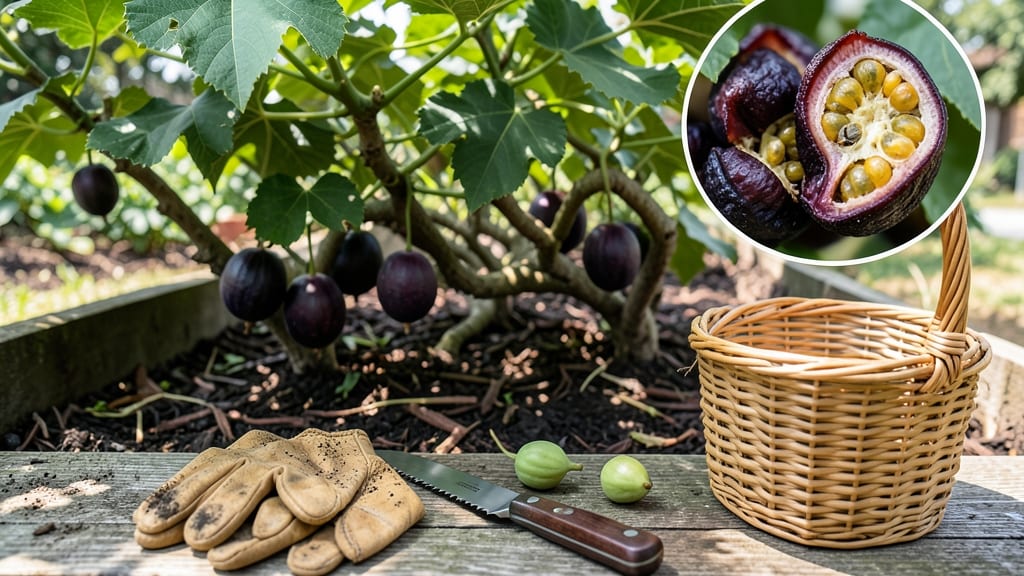
When is passionfruit ripe? The fruit reaches peak flavor when its skin deepens to a rich yellow, purple, or orange hue 🍈 — but that’s just the start of what you need to know to avoid mushy or bland fruit.
Picking at the wrong moment means wasted harvests: overripe fruit turns to pulp in your hand, while underripe passionfruit tastes like nothing more than a watery disappointment. The good news? With just three simple visual cues, you’ll never second-guess the perfect time to harvest again.
First up, color isn’t the only clue — texture and scent play just as big a role. A ripe passionfruit will give slightly when you gently squeeze it, and a sweet, tropical aroma will waft from the stem.
These details make all the difference between a perfectly sweet fruit and one that’s still fighting to ripen.
From tropical climates where passionfruit ripens year-round to cooler zones with seasonal variations, I’ll walk you through how to spot ripe fruit — plus what to do if you pick too early or too late. No guesswork, just foolproof methods for the best flavor.
3 Visual cues to identify perfectly ripe passionfruit
Passionfruit ripeness is all about timing—pick too early, and you’ll get bland, seedy pulp. Harvest too late, and the fruit turns mushy. The key lies in three visual cues that reveal when your passionfruit is ready.
These indicators work for both purple passionfruit and yellow varieties, though the color changes differ slightly between types.
First, let’s clarify what you’re looking for: ripe passionfruit should show clear color shifts, a slight softness, and easy detachment. These signs work together like a checklist—if two out of three are present, your fruit is likely at peak ripeness.
The good news? You don’t need to cut the fruit open to check—just observe these three external indicators.
Visual Tip: Use natural light to examine your fruit. Morning sunlight works best because it highlights color changes without casting harsh shadows. If you’re unsure, compare your passionfruit to a fully ripe example from a trusted source or your last harvest.
| Cue | What to Look For | Example | Action |
|---|---|---|---|
| Skin Color | Uniform deep yellow (yellow varieties) or purple (purple varieties); no green patches | 🟠 (Yellow) or 🟣 (Purple) | Harvest if 90%+ of skin shows final color |
| Texture | Slightly soft to touch (like a ripe peach); gives when gently squeezed | 🤏 (Gentle pressure = slight give) | Avoid if skin is hard or leathery |
| Stem Separation | Fruit detaches easily with a gentle twist (no forcing needed) | ✂️ (Clean break at stem) | Twist slowly—if it resists, wait 1-2 days |
| Bonus: Aroma | Sweet, tropical scent near the stem (not sour or fermented) | 🌺 (Floral-fruity smell) | Sniff near stem—ripe fruit smells like passionfruit! |
💡 Pro Tip: Combine color + texture for 95% accuracy. The stem test confirms readiness.
The first cue is skin color, which is the most obvious sign. For yellow passionfruit, the skin should transition from green to a vibrant, uniform yellow. Purple varieties, like the popular Passiflora edulis, turn deep purple with no green remnants.
If you see patches of green, the fruit needs more time—these areas are still firm and underripe.
Next, focus on texture. A ripe passionfruit will yield slightly when you apply gentle pressure near the middle. Think of it like testing a ripe avocado—just enough give to indicate softness without being mushy.
If the fruit feels hard or rubbery, it’s not ready. Overripe fruit will feel too soft and may leak pulp when squeezed, so timing is everything.
Finally, check for stem separation. The moment a passionfruit is ripe, it should detach easily from the vine with a slight twist. If you’re forcing it and the stem snaps or tears, the fruit isn’t ready.
This test is especially useful for heavy passionfruit, which may feel weightier when ripe—a sign the seeds and pulp are fully developed.
Here’s a quick recap: Look for color uniformity, a slightly soft texture, and easy stem separation. If two out of three cues are met, your passionfruit is ready to harvest.
For example, a fruit with 90% yellow skin and a soft texture but a stem that resists slightly can wait another day. Patience pays off with sweeter, more flavorful passionfruit.
One common mistake is assuming all passionfruit ripen at the same rate. Yellow varieties often ripen faster than purple ones, and fruit exposed to direct sunlight may ripen quicker.
Keep an eye on your vines, especially during peak harvest season (late summer to early fall in warm climates), and adjust your checks accordingly.
For container-grown passionfruit, ripening can be slower due to limited sunlight or root constraints. In these cases, prioritize the stem separation test over color, as containers may delay pigment changes.
If you’re growing in USDA Zones 9b-12, harvest times may also shift slightly based on microclimates—cooler pockets can delay ripening by up
How to test passionfruit ripeness without cutting it open
Testing passionfruit ripeness without slicing it open saves time and preserves fruit quality. Instead of guessing, use these three non-destructive methods to confirm ripeness before harvest. The key lies in gentle touch, weight assessment, and scent detection—all techniques that work without damaging the fruit.
Start by examining the fruit’s weight. A ripe passionfruit feels noticeably heavier for its size compared to unripe ones. This extra weight indicates fully developed pulp inside.
Next, check the stem separation—a ripe fruit will twist off easily with a slight turn, while unripe fruit clings tightly to the vine.
Here’s the most critical tip: never squeeze too hard. A ripe passionfruit should yield slightly when pressed gently with your thumb and forefinger, like a soft tennis ball. If it feels rock-hard or mushy, it’s not ready for harvest.
For purple passionfruit varieties, look for a deep, uniform color with hints of yellow or orange. Yellow passionfruit should turn from green to a bright golden hue. These color changes often align with ripeness, but always confirm with the weight and scent tests for accuracy.
Timing matters too. Harvest in the early morning when fruits are coolest and firmest. This reduces bruising and ensures the best flavor. Store ripe passionfruit in a paper bag at room temperature for 1-2 days to enhance sweetness before eating.
If you’re unsure, wait 24 hours and retest. Overripe passionfruit can ferment quickly, so act fast once you confirm ripeness. The goal is to pick at peak flavor—when the fruit is slightly soft, aromatic, and heavy in your hand.