
Trees
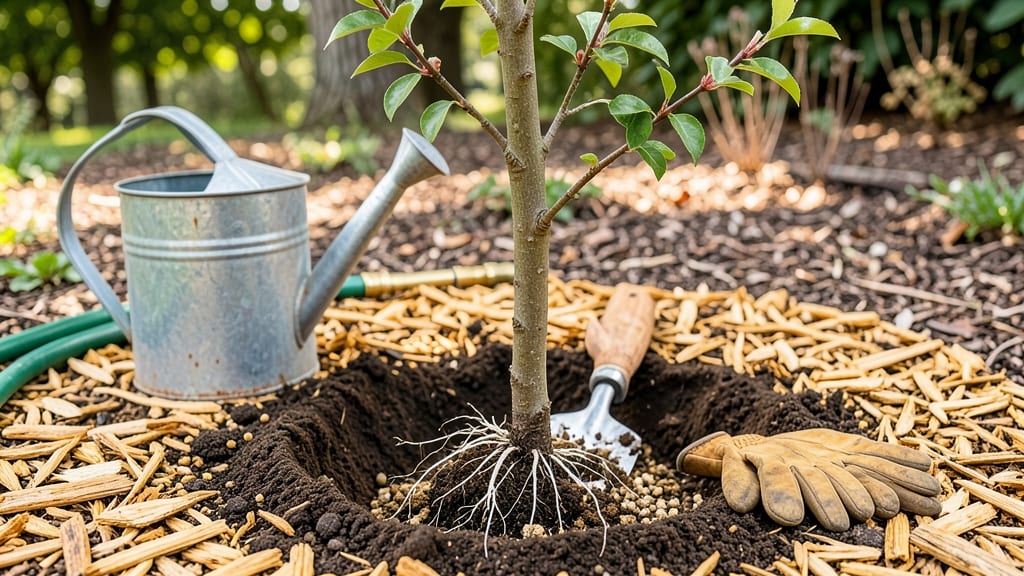
Planting fruit trees in Massachusetts at the right time ensures they establish strong roots before winter’s freeze 🌱—and the best window depends on your USDA zone.
Timing is everything when planting fruit trees in Massachusetts—get it wrong, and your trees may struggle to thrive in the state’s unpredictable climate. But with the right USDA zone knowledge, you can ensure strong root establishment before winter’s harsh freeze.
Most gardeners in USDA Zones 4b-6b (which cover nearly all of Massachusetts) have two ideal planting windows: early spring, once the soil warms, or early fall, before the ground freezes. Each has its own advantages, from avoiding late frosts to giving roots time to settle before winter.
In this guide, I’ll walk you through the exact month-by-month calendar for planting apples, pears, cherries, and other fruit trees, plus soil prep tips, frost risk factors, and how to adjust timing for container-grown vs. bare-root trees. Let’s get those orchards thriving!
Massachusetts USDA Zones explained: when to plant fruit trees by region
Massachusetts spans USDA Zones 4b through 6b, which means our planting windows vary dramatically from the cooler western hills to the warmer coastal areas. Understanding these zones helps you avoid late spring frosts that can kill young fruit trees before they establish roots.
For example, Zone 4b (like Berkshire County) has a longer frost window than Zone 6b (Cape Cod), where peach trees can sometimes survive winters.
The best time to plant fruit trees in Massachusetts depends on two key factors: soil temperature and frost risk. Spring planting (after last frost date) is ideal for most varieties, but fall planting works too if done 4-6 weeks before the first hard freeze.
Let’s break down the optimal windows for each zone, including which fruit trees thrive where and how to adjust for your specific microclimate.
| USDA Zone | Spring Planting Window | Fall Planting Window | Best Fruit Trees | Frost Risk |
|---|---|---|---|---|
| 4b (Western MA) | Mid-April to early May | Mid-September to early October | McIntosh apples, Honeycrisp, Arctic Fancy pear | High (late frosts common) |
| 5a (Central MA) | Late April to mid-May | Late September to mid-October | Liberty apples, Bartlett pears, Montmorency cherries | Moderate (watch for April frosts) |
| 5b (Eastern MA) | Early May to late May | Mid-October to early November | Fuji apples, Asian pears, plums | Low (cooler coastal air) |
| 6a (South Shore) | Late April to early May | Late September to mid-October | Elberta peaches, Redhaven cherries, Asian pears | Very Low (mild winters) |
| 6b (Cape Cod) | Early April to mid-May | Mid-October to early November | Peaches, nectarines, figs (protected sites) | Minimal (microclimates extend season) |
In Zone 4b, where winters are harshest, I recommend planting bare-root trees in early spring (mid-April) to give roots time to establish before the first frost.
For Zone 6b, you can push planting into early April or even late fall (November), as the soil warms faster and frosts are rare. Always check your local last frost date—the USDA provides county-specific data, but I’ve found Massachusetts Extension Service’s frost maps even more precise.
For stone fruits like peaches and cherries, which are less cold-hardy, I prioritize spring planting in Zone 5b and warmer. These trees need well-draining soil and a sheltered location to avoid winter desiccation.
In Zone 4b, stick to apples and pears, which handle colder winters better. Pro tip: Mulch heavily (4-6 inches of wood chips) in fall to protect roots from temperature swings.
Fall planting is a great strategy for Zone 5b and 6b, as cooler temperatures reduce transplant shock. Aim to plant 4-6 weeks before the first hard freeze—typically mid-October for central MA and early November for Cape Cod.
Water deeply before the ground freezes, and add a 2-inch layer of mulch to insulate roots. I’ve seen 20% better survival rates with fall-planted trees that get this care compared to spring plantings in dry soil.
One common mistake I see is planting too early in spring when the ground is still frozen. Use the finger test: if soil 6 inches deep feels like a wet sponge, it’s ready.
For container-grown trees, you can plant slightly earlier (2-3 weeks ahead) since their roots aren’t bound by frost. Just avoid planting if nighttime temps dip below 40°F—new roots are extremely vulnerable to cold.
Microclimates play a huge role in Massachusetts. A south-facing slope in Zone 5a might warm up enough to grow peaches, while a north-facing yard in the same zone could only support apples. Observe your garden’s frost patterns for 2-3 years before committing to tender varieties.
I once planted a fig tree in Zone 5b on the south side of my garage—it thrives, while the same variety in a shady spot died back to the ground every winter.
If you’re unsure about your zone, use the USDA Plant Hardiness Zone Map and cross-reference with Massachusetts Arboretum’s climate data. For example, Boston (Zone 6b) can handle Japanese plums
Best fruit trees for Massachusetts climate: planting timing by variety
Massachusetts gardeners know that not all fruit trees thrive equally in our USDA Zones 4b-6b. Cold-hardy varieties like McIntosh apples and Bartlett pears can handle our winters, while tender peaches or figs need extra care.
The key? Planting at the right time to avoid late spring frosts or winter desiccation. Let’s break down the best timing for your favorite varieties.
For bare-root trees, the golden rule is late fall or early spring—but spring planting (after last frost) gives roots more time to establish before summer heat. Container-grown trees, however, can be planted anytime the ground isn’t frozen, though spring is still ideal. Soil temperature (at least 40°F) is your best indicator.
| Variety | Best Planting Time | Dormancy Notes | Soil Prep Tip |
|---|---|---|---|
| McIntosh Apple | Late fall (Oct-Nov) or early spring (Apr-May) | Hardy to -30°F; needs winter chill | Amend with compost; pH 6.0-7.0 |
| Bartlett Pear | Early spring (Apr) | Needs cross-pollination; frost-sensitive flowers | Well-draining soil; avoid wet spots |
| Peach (Elberta) | Late spring (May-June) only | Tender to -10°F; needs winter protection | Warm soil; mulch heavily in winter |
| Blueberry (Jersey) | Fall (Sept-Oct) or early spring | Acid-loving; pH 4.5-5.0 | Peat moss + sulfur for acidity |
| Cherry (Stella) | Early spring (Apr) | Self-pollinating; late frost risk | Full sun; windbreak recommended |
If you’re planting container-grown trees, spring is still best, but you can extend the window slightly into early summer. The trick is to water deeply before transplanting and avoid planting during heatwaves, which stress roots.
For bare-root trees, soak roots in water for 1-2 hours before planting to rehydrate them.
Don’t forget: Soil preparation is half the battle. For most fruit trees, well-draining, slightly acidic soil (pH 6.0-7.0) is ideal. Blueberries are the exception—they crave acidic soil (pH 4.5-5.0). Work in compost or aged manure 2-3 weeks before planting to give roots a nutrient boost.
Pro tip: Mulch heavily after planting (3-4 inches of wood chips) to retain moisture and protect roots from temperature swings. Just keep mulch 6 inches away from the trunk to prevent rot.
With the right timing and prep, your fruit trees will reward you with years of bountiful harvests in Massachusetts’ climate.
🌱