
Trees
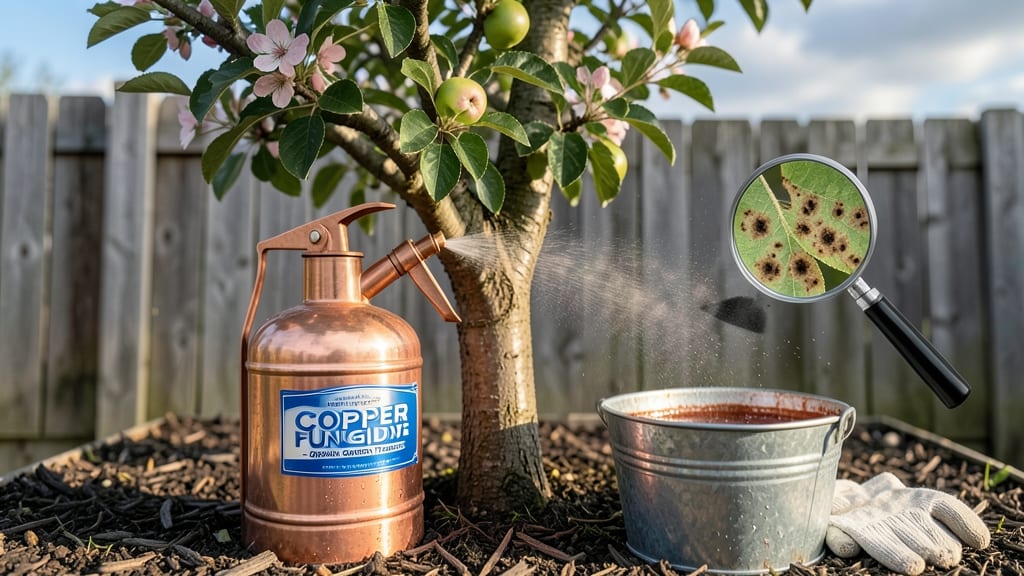
To spray copper on fruit trees effectively, aim for late winter through early spring before buds swell — this critical window stops diseases like apple scab and peach leaf curl before they take hold.
Picture this: you’ve just planted your 🍎 fruit trees in Zone 6a, and now you’re staring at a calendar, wondering if that copper spray in your garage is about to expire.
The truth? Timing isn’t just about the calendar—it’s about catching those sneaky fungal spores before they even wake up for the season.
Miss the mark, and you’ll either waste copper (and money) or let diseases creep in unchecked. Get it right, and your trees will thank you with fewer spots on the leaves and more fruit on the branches.
Below, I’ll walk you through the exact months to spray, what to watch for, and how to avoid common mistakes that leave your orchard vulnerable.
You’ll also discover how to adjust your schedule based on your region, which copper products work best, and why some gardeners swear by a second spray after harvest. No guesswork—just a clear, step-by-step plan to keep your fruit trees thriving.
Optimal copper spray schedule by month: disease prevention timeline
Copper sprays are a powerhouse defense against fungal diseases like apple scab and bacterial infections like fire blight. But timing isn’t one-size-fits-all—your climate zone and fruit tree type dictate the perfect schedule.
In northern regions (USDA Zones 4-7), focus on late winter and early spring applications, while southern growers (Zones 8-10) may need post-harvest sprays to combat humid summer diseases. Let’s break it down by month to maximize protection without wasting copper.
The key is targeting critical growth stages when diseases strike hardest. For example, dormant season sprays (late winter) prevent overwintering pathogens, while bud swell applications stop early infections. Miss these windows, and your trees face reduced yields or even death.
Below, I’ve mapped out the month-by-month schedule with adjustments for northern vs. southern climates, plus the diseases you’re protecting against at each stage.
| Month | Critical Growth Stage | Diseases Targeted | Northern Regions (Zones 4-7) | Southern Regions (Zones 8-10) |
|---|---|---|---|---|
| Late Winter (Feb-Mar) | Dormant Season | Fire Blight, Peach Leaf Curl | Apply 1-2 sprays before bud swell | Apply 1 spray in Jan-Feb |
| Early Spring (Apr) | Bud Swell | Apple Scab, Cherry Leaf Spot | Spray every 7-10 days until bloom | Spray 2-3 times in Mar-Apr |
| Late Spring (May-Jun) | Bloom to Fruit Set | Powdery Mildew, Bacterial Spot | Apply 2 sprays at petal fall | Apply 1-2 sprays post-bloom |
| Summer (Jul-Aug) | Fruit Development | Anthracnose, Rust | Spray every 3-4 weeks if wet | Spray monthly during rain |
| Post-Harvest (Sep-Oct) | Leaf Drop | Overwintering Fungi | Apply 1 spray before leaf fall | Apply 1-2 sprays in Sep |
In northern climates, the late winter dormant spray is non-negotiable—it’s your first line of defense against fire blight, which thrives in cold, wet conditions.
For example, in Zone 5, I apply my first copper spray in late February when temperatures hover around 35°F but no frost is forecasted. This timing ensures pathogens like Erwinia amylovora (the fire blight bacterium) are wiped out before buds swell.
Pro tip: Use copper hydroxide here—it’s gentler on dormant trees than copper sulfate.
Southern growers, however, face a different challenge: humidity and summer rains fuel diseases like anthracnose and powdery mildew. That’s why I adjust my schedule to include post-harvest sprays
How to choose the right copper fungicide: types, concentrations & application tips
Not all copper fungicides are created equal—and choosing the wrong type can mean wasted money or even harm to your fruit trees. Copper sulfate, hydroxide, and tribasic copper sulfate each have unique properties, making them better suited for specific diseases and application methods.
For example, copper sulfate is highly effective against fire blight but requires careful handling, while copper hydroxide offers better rainfastness for apple scab prevention.
Your choice depends on three key factors: the disease you’re targeting, your local climate, and whether you’re using it as a preventive or curative treatment. Organic gardeners also need to pay close attention to certification rules, as some copper products aren’t OMRI-listed.
Let’s break down the pros and cons of each type to help you make the right decision for your orchard.
Copper Fungicide Comparison
✅ Pros: Longer residual protection, less phytotoxic, OMRI-approved options
❌ Cons: Higher cost, requires precise mixing, some types need reapplication
When applying copper fungicides, the method matters just as much as the type. For foliar sprays, use a horticultural oil spreader (like dormant oil) to ensure even coverage, especially during bud swell or bloom.
A soil drench, on the other hand, is best for preventive treatments in early spring, targeting fungal spores in the soil before they infect leaves.
One critical warning: never apply copper when rain is forecasted within 24 hours, as it can wash off and lose efficacy—or worse, contaminate nearby water sources. Also, avoid spraying during hot afternoons, as copper can cause leaf burn on sensitive varieties like peaches or plums.
Always test a small branch first to check for phytotoxicity.
For organic certification, stick to tribasic copper sulfate or copper hydroxide products labeled OMRI-listed. These are safer for soil microbes and meet stricter organic standards. If you’re treating fire blight, combine copper sulfate with baking soda (1 tbsp per gallon) for enhanced protection during wet seasons.
Remember: copper builds up in soil over time, so rotate with other organic fungicides like neem oil or potassium bicarbonate to avoid soil toxicity. With the right product and timing, copper fungicides can give your fruit trees a full season of disease-free growth—without synthetic chemicals. 🌿