
Light Requirements
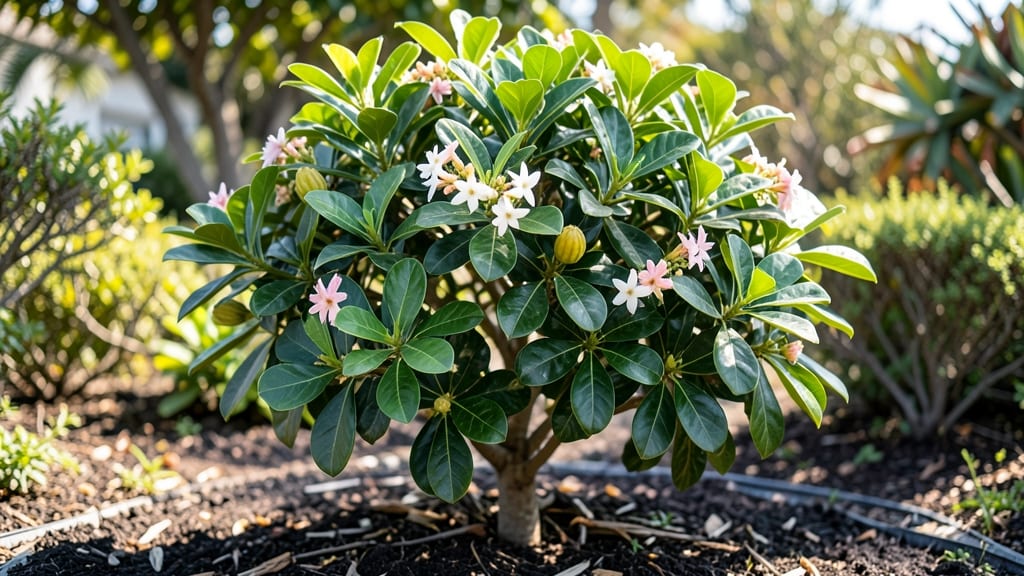
Starfruit grows best in tropical climates with warm temperatures and high humidity, primarily cultivated in Southeast Asia, Central America, and Caribbean regions like Thailand, Vietnam, Indonesia, and Puerto Rico.
These regions share ideal conditions: year-round temperatures between 75-85°F and well-drained, slightly acidic soil. 🌴 The fruit's signature star shape develops best under these consistent conditions, making Southeast Asia the global leader in production.
I've noticed that commercial farms in Thailand often use drip irrigation systems to maintain perfect moisture levels without overwatering, which can lead to fruit splitting—a common issue in less controlled environments.
Harvest seasons vary by location: Thailand produces year-round, while Puerto Rico and Florida have peak seasons from May to October. The tropical climate isn't just about warmth—it's the combination of humidity and sunlight that creates starfruit's signature sweet-tart flavor profile.
Many commercial growers also use shade cloths to protect young trees from intense midday sun while still allowing enough light for photosynthesis.
💡 In This Article
- Climate and Soil Requirements for Starfruit Cultivation
- Top Starfruit-Producing Countries and Their Growing Seasons
Climate and soil requirements for starfruit cultivation
Starfruit cultivation demands precise environmental conditions that create its signature star shape and sweet-tart flavor. The ideal temperature range hovers between 75-85°F year-round, with frost sensitivity making it impossible to grow in temperate climates.
High humidity levels (70-80%) are equally critical—they prevent fruit from drying out while maintaining optimal photosynthesis rates. In regions like Thailand, where starfruit thrives commercially, farmers often use misting systems during dry periods to maintain these humidity levels and prevent premature fruit drop.
The preferred soil type is well-drained sandy loam with a slightly acidic pH (5.5-6.5). This combination allows excess water to drain quickly while retaining enough moisture for root development. Poor drainage leads to root rot, while overly dense soils restrict growth and reduce fruit quality.
Thai commercial farms often amend clay-heavy soils with coconut coir and perlite to achieve the perfect texture. What's fascinating is how soil composition directly affects fruit size—sandy loam produces larger, more symmetrical star-shaped fruits compared to heavier soils that yield smaller, irregular shapes.
Sunlight requirements are equally precise: starfruit trees need 6-8 hours of direct sunlight daily, but young trees benefit from partial shade to prevent sunburn. Farmers in Puerto Rico often use 30-50% shade cloths during the first two years of growth, then gradually remove them as trees mature.
The balance between light and shade creates the perfect conditions for fruit development—the outer edges of the star receive more light, creating the crisp texture we love, while the inner core stays slightly softer due to reduced light penetration.
Watering practices also play a crucial role in fruit quality. Starfruit trees are drought-tolerant once established but require consistent moisture during flowering and fruiting stages. Overwatering can cause fruit splitting—a common issue in regions with heavy rainfall.
In Vietnam's Mekong Delta, where starfruit is a major export crop, farmers use drip irrigation systems that deliver water directly to the root zone while keeping foliage dry. This method reduces disease risk and ensures even fruit development across the entire tree.
The combination of these factors creates what botanists call "optimal growing windows"—specific periods when all conditions align perfectly for maximum yield. For example, during Thailand's rainy season (June-October), farmers must carefully manage irrigation to prevent waterlogging while maintaining humidity levels.
The result? Fruits with deeper coloration and more intense flavor due to higher sugar accumulation during this period. 🌿
What most people don't realize is how these environmental factors work together at a cellular level. The starfruit's distinctive shape develops from five carpels that grow outward from the center.
Consistent warmth and humidity create uniform growth rates across all carpels, while proper soil drainage ensures the plant can allocate energy toward fruit development rather than struggling with water stress.
This is why commercial growers treat their environmental conditions almost like a science experiment—small variations can dramatically affect both yield and quality.