
Blooming
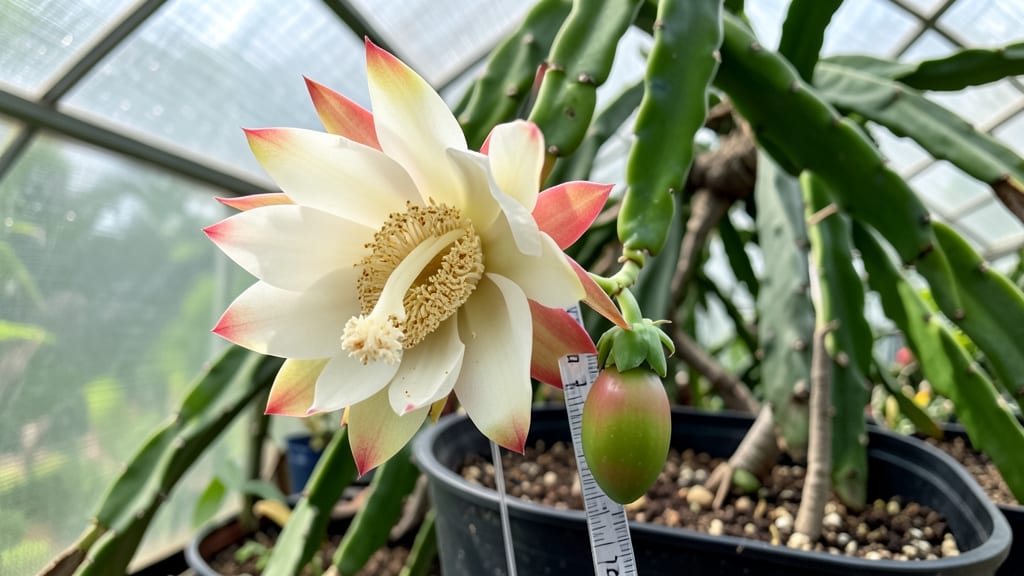
Understanding the dragon fruit flowering stages 🐉 is the key to unlocking a bountiful harvest from your tropical vine.
Picture this: your dragon fruit cactus has spent months growing lush, spiky stems, and now it’s time to bloom—but what happens next? Miss a stage, and you might end up with flowers that drop before setting fruit.
Knowing the exact cues for each phase helps you adjust light, temperature, and even pollination to ensure success.
From the first tiny buds to the dramatic night-blooming flowers, each stage reveals what your plant truly needs. Too little light? Buds might fail to open. Humidity too low? Flowers could wilt before pollination. I’ve seen both mistakes firsthand—and learned how to fix them before fruit production stalls.
In this guide, you’ll discover the three critical stages of flowering, how to trigger them with simple adjustments, and when to step in with hand-pollination. By the end, you’ll know exactly what to watch for and how to maximize your yield every season.
Dragon fruit flowering stages explained: from bud to bloom
Understanding the dragon fruit flowering stages is key to unlocking a bountiful harvest. This tropical vine undergoes a fascinating transformation, from tiny buds to vibrant night-blooming flowers. Each stage reveals clues about your plant's health and what it needs next to thrive.
Dragon fruit plants typically take 18-24 months to mature enough for flowering, but proper care can accelerate this process. The journey from bud to bloom spans 4 distinct stages, each lasting 3-7 days depending on environmental conditions. Let’s break down what to expect at each phase.
| Stage | Duration | Visual Cues | Ideal Conditions |
|---|---|---|---|
| Bud Formation | 3-5 days | Small green buds appear on areoles; no petals yet. | 70-85°F, 6+ hours sunlight |
| Pre-Bloom | 2-3 days | Bud swells; white/pink petals start unfolding at dusk. | 75-88°F, humid nights |
| Full Bloom | 1 night (24 hours) | Fragrant white/pink flowers open fully after sunset; stamens appear. | 80-90°F, calm winds |
| Post-Flowering | 3-7 days | Flowers wilt; small green fruit begins forming at base. | 70-85°F, consistent moisture |
During bud formation, your dragon fruit plant signals its readiness to bloom. Look for small, golf-ball-sized buds emerging from the areoles (the fuzzy pads along the stems). This stage is highly sensitive to temperature fluctuations—keep it between 70-85°F to prevent bud drop.
As buds transition to pre-bloom, they swell noticeably and develop petals. This is when dragon fruit plants exhibit their nocturnal nature—petals begin unfolding only after sunset. Ensure your plant receives 12-14 hours of daylight to support this phase, as shorter days can delay blooming.
The full bloom stage is the most dramatic, with flowers opening fully at night and releasing a sweet, tropical fragrance. This single-night spectacle requires calm conditions—strong winds or sudden temperature drops can damage petals.
If you’re in a region with low humidity, mist the flowers lightly in the evening to mimic tropical conditions.
After the bloom, the post-flowering stage marks the beginning of fruit development. Wilted flowers will drop, leaving behind a tiny green fruit. This is your cue to hand-pollinate if natural pollinators (like moths) are scarce.
Use a small paintbrush to transfer pollen from one flower to another for optimal fruit set.
Temperature plays a critical role throughout these stages. Below 65°F can halt bud formation, while above 95°F may cause flowers to wilt prematurely. If you’re growing dragon fruit in cooler climates (Zone 9b or below), provide afternoon shade during summer to protect buds from heat stress.
Light intensity also affects flowering. While dragon fruit thrives in full sun (6+ hours daily), too much direct midday heat in summer can stress the plant. If you notice buds turning yellow or dropping, provide light shade (30-50% coverage) during peak afternoon hours to maintain optimal conditions.
Monitoring these stages helps you predict fruit yield and intervene if problems arise. For example, if buds form but fail to open, check for nutrient deficiencies (especially phosphorus) or overwatering, which can cause root stress and prevent blooming.
With patience and the right conditions, your dragon fruit plant will reward you with vibrant blooms and eventually, delicious fruit. Keep a gardening journal to track each flowering cycle—this helps you refine your approach for even better results next season.
How to trigger dragon fruit flowering: light, temperature, and pollination secrets
Dragon fruit plants thrive when given the right conditions to trigger flowering, which typically occurs after 18-24 months of growth. The key lies in mimicking their natural tropical environment with precise light exposure, temperature control, and pollination techniques.
Without these, your plant may produce flowers but fail to set fruit—or worse, drop them entirely.
I’ve found that 12-14 hours of sunlight daily is non-negotiable for dragon fruit flowering. This cactus-like vine needs bright, direct light to initiate bud formation. In cooler climates, supplement with grow lights during winter months to maintain consistency.
Temperature also plays a critical role—keeping your plant between 70-90°F ensures optimal metabolic activity for flower development.
Triggering Flowering: Light & Temperature
- 🌞 12-14 hrs sunlight = rapid bud formation
- 🌡️ 70-90°F range prevents stress-induced flower drop
- 🌱 Balanced NPK fertilizer (5-10-15) boosts bloom count
- 🌿 Pruning old growth redirects energy to new flowers
Pollination Challenges
- 🌙 Night-blooming flowers limit natural pollinators
- 🌡️ Below 60°F causes buds to abort
- 💧 Overwatering leads to root rot and flower drop
- 🐝 No bees/moths nearby = poor fruit set without hand pollination
For pollination, dragon fruit relies on night-blooming moths or bats in the wild—but most home gardens lack these visitors. That’s where hand pollination comes in. Using a small paintbrush, gently transfer pollen from one flower to another between 8 PM and midnight when flowers are fully open.
I recommend doing this every 2-3 nights during peak bloom for maximum fruit set.
Another critical factor is humidity levels. Dragon fruit prefers 40-60% humidity—too dry, and flowers may drop prematurely. In arid climates, mist your plant lightly in the morning or use a pebble tray to increase moisture without waterlogging the roots.
I’ve seen dramatic improvements in flowering consistency by maintaining these humidity levels during dry seasons.
Don’t forget about seasonal adjustments. In cooler months, reduce watering slightly and move potted plants to a sheltered spot. If you’re in USDA Zone 9b or below, protect your dragon fruit from frost with row covers or move containers indoors.
With these adjustments, you’ll see consistent flowering every 6-8 weeks once your plant matures.
Finally, monitor your plant for nutrient deficiencies. Yellowing leaves often signal a lack of phosphorus, which is essential for flowering. Switch to a high-phosphorus fertilizer (5-10-15) during bud formation, and avoid over-fertilizing with nitrogen, which promotes leafy growth at the expense of flowers.
A little extra care here makes all the difference in your harvest!