
Size
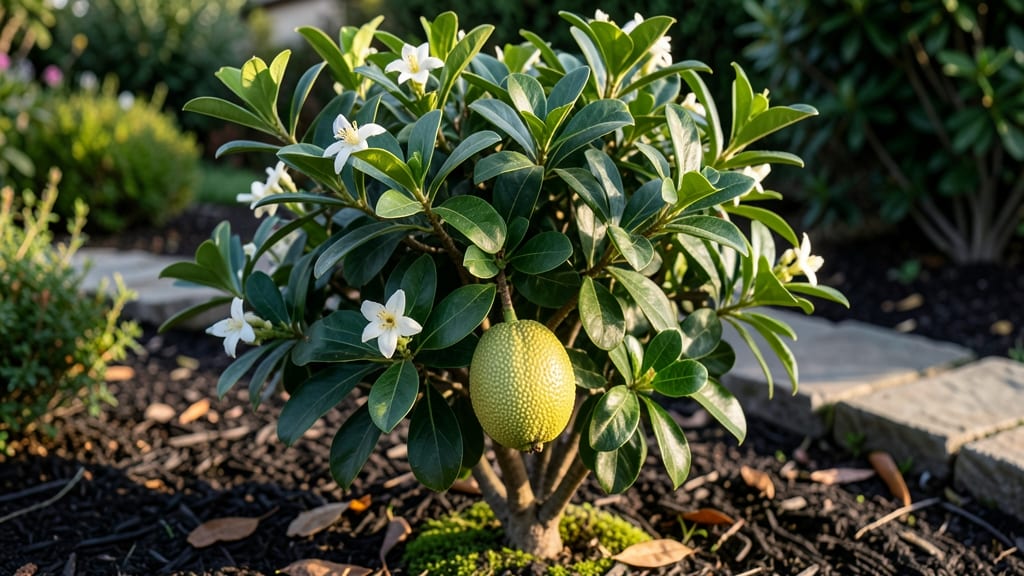
Growing feijoa fruit in your garden means sweet, guava-like treats with a tropical twist—right from your backyard. 🌿 I’ve grown them for years, and the key is treating them like the delicate tropicals they are, even if you’re in a cooler climate.
These trees thrive in containers, making them perfect for patios or small spaces where you’d never fit a full-sized fruit tree.
The secret to success starts with the right setup: a large pot with drainage, well-draining soil, and a spot that gets at least 6 hours of sunlight daily. Feijoas need consistent moisture but hate soggy roots, so mulch helps retain water while keeping the soil airy.
If your winters dip below 20°F, bring the container indoors or wrap it in frost cloth—these tropical trees aren’t cold-hardy.
By late spring, you’ll see glossy, oval leaves and tiny white flowers that eventually turn into those fragrant, custard-like fruits. The first harvest might take 2-3 years, but once established, a single tree can produce 50+ pounds of fruit per season.
The flavor? A mix of pineapple, strawberry, and a hint of mint—unlike anything you’ll find in stores.
Even in containers, feijoas grow 8-10 feet tall, so prune regularly to shape them and improve airflow. Hand-pollinate flowers in cooler climates by gently shaking branches to spread pollen. With the right care, your feijoa will reward you with years of exotic fruit—no tropical vacation required.
📚 In This Guide
- What you need
- Instructions
- Tips and common mistakes
- Wrapping up and next steps
What you need
- ● Feijoa plant: 1-2 healthy nursery-grown feijoa saplings (choose dwarf varieties like Feijoa sellowiana ‘Unique’ for containers).
- ● Well-draining soil: For ground planting: Mix 60% native soil with 30% compost and 10% coarse sand or perlite.
- ● For containers: Use a blend of 50% potting mix, 30% coconut coir, and 20% perlite or vermiculite (10-15 gallons per plant).
- ● Container (if applicable): 1 large pot (18-24 inches in diameter) with drainage holes.
- ○ Optional: Self-watering container for easier maintenance.
- ● Fertilizer: Balanced organic fertilizer (e.g., 5-5-5) or citrus-specific fertilizer (apply every 4-6 weeks in spring/summer).
- ○ Optional: Slow-release granules for convenience.
- ● Mulch: 2-3 inches of organic mulch (e.g., wood chips or straw) to retain moisture.
- ● Pruning tools: 1 pair of sharp bypass pruners.
- ● 1 small handsaw (for thicker branches).
- ● Support (for ground plants): 1-2 stakes or a small trellis (if training as a small tree).
- ● Sunlight: Full sun (6+ hours daily) or partial shade (4+ hours) in hot climates.
- ● Climate: Feijoa thrives in USDA Zones 8-10. Use a greenhouse or cold frame in cooler zones.
- ● Watering: Keep soil consistently moist (but not soggy) for the first year; reduce to weekly watering once established.
- ● pH Level: Slightly acidic to neutral soil (pH 6.0-7.0). Test soil if unsure.
- ● Pollination: Feijoa flowers are self-pollinating, but bees help! Plant near other pollinator-friendly plants.
Step-by-Step guide to growing feijoa in containers
Here's how to cultivate this exotic fruit tree in pots—no tropical climate required.
🪴 Step 1: Select the Perfect Container and Soil Mix
Feijoas need well-draining soil and plenty of root space, so choose a 5-gallon container with drainage holes—larger is better for long-term growth. I use unglazed terra cotta because it breathes and prevents root rot. If your pot lacks drainage, drill 4-6 holes along the bottom to ensure excess water escapes.
Fill the container with a custom mix of 60% premium potting soil, 30% perlite, and 10% compost—this mimics their native sandy loam while preventing compaction. Avoid garden soil; it compacts in containers and suffocates roots. Moisten the mix until it holds together when squeezed but doesn’t drip.
🌱 Step 2: Plant Your Feijoa with Care
Dig a hole twice as wide as the root ball but only as deep as the container’s base. Gently remove the plant from its nursery pot and loosen any circling roots with your fingers—this encourages outward growth. Place the feijoa in the hole, ensuring the top of the root ball sits 1 inch below the container’s rim for stability.
Backfill with your soil mix, pressing lightly to eliminate air pockets but avoiding compaction. Water deeply until water runs out the drainage holes—this settles the soil and removes trapped air. Feijoas are sensitive to transplant shock, so give them a week of consistent moisture before adjusting care.
☀️ Step 3: Position for Optimal Sun and Temperature
Feijoas thrive in full sun (6+ hours daily) but tolerate partial shade in hot climates. Place your container in the sheltered sunniest spot—a south-facing patio or balcony works best. If you’re in a cooler zone, move the pot indoors near a south-facing window during winter, as they need winter dormancy at 40-50°F.
Rotate the pot a quarter turn weekly to prevent lopsided growth toward the light. You’ll notice new leaves emerging on all sides—this means the plant is balanced. Avoid sudden temperature swings; feijoas hate drafts and cold winds, which can scorch leaves or stunt growth.
💧 Step 4: Water and Fertilize for Maximum Fruit Production
Water deeply every 2-3 days in summer, letting the top 2 inches of soil dry before the next watering. Feijoas despise soggy roots, so always check moisture with your finger—damp, not wet. In winter, reduce watering to once a week, allowing the soil to dry more between sessions. Overwatering is the #1 killer of container-grown feijoas.
Feed your plant every 4-6 weeks starting in spring with a balanced liquid fertilizer (10-10-10) diluted to half strength. I switch to a high-phosphorus formula (5-10-5) in early summer to encourage flowering. Stop fertilizing in fall to let the plant rest—this prepares it for winter dormancy and next year’s fruit set.
✂️ Step 5: Prune and Support for Healthy Growth
Prune lightly in late winter (just before new growth starts) to shape the plant and remove dead or crossing branches. Use clean, sharp pruners to cut just above a leaf node at a 45-degree angle. Feijoas bloom on new wood, so avoid heavy pruning—you’ll sacrifice flowers and fruit. Aim to keep the plant open and airy to prevent disease.
If your feijoa grows taller than 6 feet, install a small trellis or stake to support branches. Feijoas can get top-heavy in containers, and wind or heavy fruit can snap weak stems. Tie branches to the support with soft plant ties, leaving room for growth. You’ll see stronger stems and more fruit within a season.
Tips & tricks for growing feijoa in containers
Between us, these small details make all the difference when growing feijoas in containers—especially if you're not used to tropical plants.
Container Material Matters: Unglazed terra cotta isn't just my preference—it's science. The porous material wicks away excess moisture, preventing the root rot that's the silent killer of container-grown feijoas. If you're using plastic or glazed pots, add an extra 20% perlite to your soil mix to compensate. The key is keeping roots aerated and never soggy, especially during those summer watering cycles.
Root Ball Placement Precision: That 1-inch depth below the rim isn't arbitrary—it's about stability and drainage. When you're planting in Step 2, use a level to ensure the container sits perfectly straight. I've seen feijoas topple over after just a few weeks when planted too shallowly. Also, avoid pressing the soil too firmly around the roots; you want it snug but not compacted, or you'll restrict root expansion.
Sunlight Rotation Strategy: The weekly quarter-turn rotation in Step 3 isn't just about aesthetics—it's about photosynthesis efficiency. Feijoas grow toward light like sunflowers, and without rotation, you'll end up with a lopsided plant that's weak on one side. I mark my pots with a pencil dot to track which side gets which rotation. This simple habit ensures even growth and maximizes fruit production across all branches.
Winter Care Secret: When moving your feijoa indoors for winter dormancy at 40-50°F, don't just plop it by the window. Place it on a saucer filled with pebbles and water to increase humidity—feijoas hate dry indoor air. I also mist the leaves every few days to mimic their tropical origins. This small effort prevents leaf scorch and keeps your plant healthy through the dormant season.
Pro Tips for Feijoa Fruit Grow A Garden
- Between us, these small details make all the difference when growing feijoas in containers—especially if you're not u...
- Container Material Matters: Unglazed terra cotta isn't just my preference—it's science. The porous material wicks awa...
- Root Ball Placement Precision: That 1-inch depth below the rim isn't arbitrary—it's about stability and drainage. Whe...
Frequently asked questions
Got questions about growing feijoa fruit in your garden? You’re not alone!
Here are some of the most common concerns—and straightforward answers—to help you cultivate this tropical gem with confidence. Whether you're a beginner or a seasoned gardener, these tips will keep your feijoa plants thriving.
---
What’s the best climate for growing feijoa fruit?
Feijoas love mild to warm climates with USDA Zones 8-10. They thrive in frost-free areas but can tolerate light frosts if established. In colder zones, grow them in containers and move them indoors during winter. If you’re in a hotter region, provide afternoon shade to prevent sunburn on the leaves.
How long does it take for a feijoa tree to bear fruit?
Patience is key! Feijoa trees typically take 3-5 years to produce fruit from seed, but grafted trees can bear fruit in just 1-2 years. Choose a grafted variety (like ‘Unique’ or ‘Coolidge’) for faster results. Ensure your tree gets full sun (6+ hours/day) and well-draining soil to speed up fruiting.
Can I grow feijoa in a container? How big should the pot be?
Feijoas adapt well to containers, making them perfect for small gardens or patios. Use a 15-20 gallon pot with drainage holes and a well-draining potting mix (add perlite or sand). Ensure the container is at least 18 inches deep to accommodate root growth. Move the pot indoors or to a sheltered spot if temperatures drop below 20°F (-6°C).
What pests or diseases should I watch for with feijoa trees?
Feijoas are generally low-maintenance, but keep an eye out for scale insects, aphids, and spider mites. Treat infestations early with neem oil or insecticidal soap. Overwatering can lead to root rot, so ensure your soil drains well. Feijoa rust (a fungal disease) is rare but can occur in humid climates—remove affected leaves and improve airflow around the plant.
What can I do if my feijoa tree isn’t flowering or fruiting?
If your feijoa isn’t flowering, check these common culprits:
- Insufficient sunlight: Feijoas need full sun (6+ hours/day). Move it to a sunnier spot.
- Poor pollination: Hand-pollinate flowers with a soft brush if bees are scarce.
- Young age: Trees under 3 years old may not flower yet.
- Nutrient deficiency: Feed with a balanced fertilizer (10-10-10) in early spring.
Are there any companion plants that help feijoa trees grow better?
Feijoas pair well with companion plants that repel pests or improve soil health. Try planting them near:
- Marigolds (deter pests like nematodes)
- Basil or mint (repel insects and improve flavor)
- Comfrey (adds nutrients to the soil)
- Lavender (attracts pollinators)
Wrapping up and next steps
Growing feijoa in your garden—whether in containers or in-ground—is a rewarding journey that brings a touch of tropical charm to your space. With the right soil, sunlight, and care, you’ll soon enjoy delicious, fragrant fruit that’s as beautiful as it is tasty! 🌱✨
Ready to take the next step? Start by planting your feijoa sapling this season and watch it thrive. Share your progress with fellow gardeners, and don’t forget to experiment with recipes—feijoa’s unique flavor is a fantastic addition to desserts, jams, or even savory dishes. Happy growing! 🍈💚