
Companion Plants
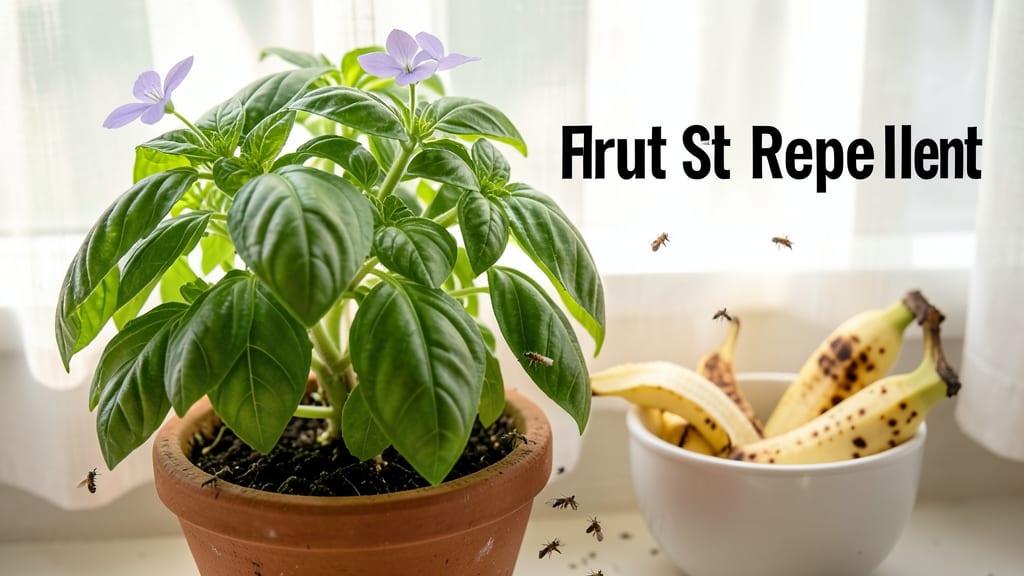
Fruit fly repellent plants are the secret weapon I wish I’d known about when my strawberries turned into a buffet for tiny black invaders. 🌱 These fragrant allies—basil, mint, lavender, and marigolds—don’t just smell amazing; they disrupt fruit flies’ ability to find your harvest, using natural chemistry instead of sprays.
The beauty of this system is how easy it is to integrate: tuck pots of basil near your tomato plants, let mint spill over container edges, and scatter marigolds at the garden’s edges. No fancy setup—just strategic placement. Within days, you’ll notice fewer flies hovering, and your produce stays blemish-free.
You’ll end up with a garden that’s both pest-resistant and more fragrant than ever. The plants thrive alongside your veggies, adding color and scent while doing the heavy lifting of pest control. Plus, you’ll save money on traps and sprays.
Works in containers, raised beds, or in-ground gardens—no matter your setup. Let’s get those flies out of here naturally!
📚 In This Guide
- What you need
- Instructions
- Tips and common mistakes
- Wrapping up and next steps
What you need
- ● Repellent Plants: 1–2 Basil plants (preferably Genovese or Sweet Basil)
- ● 1–2 Mint plants (preferably Peppermint or Spearmint)
- ● 1 Lavender plant (dwarf varieties like Munstead work well)
- ● 1–2 Rosemary bushes (compact types for small gardens)
- ● 1 Lemon Balm plant (great for containers)
- ● 1–2 Marigold plants (French marigolds are ideal)
- ● Growing Supplies: Potting soil (1–2 bags, organic preferred)
- ● Containers or garden beds (6–12" deep for herbs, 12–18" for marigolds)
- ○ Slow-release fertilizer (optional, balanced 10-10-10 or compost)
- ● Watering can or hose with a gentle spray nozzle
- ● Pruning shears (for trimming plants)
- ● Citrus peels (lemon, orange, or grapefruit—freeze for stronger scent)
- ● Apple cider vinegar (for DIY traps)
- ● Red wine or beer (for homemade fruit fly bait)
- ● Essential oil diffuser (eucalyptus or lemongrass oil for indoor use)
- ● Compost bin (to recycle plant clippings and boost garden health)
How to use fruit fly repellent plants in your garden
Here's how to strategically place these natural pest fighters for maximum effectiveness.
🌱 Step 1: Select the Right Repellent Plants
Start with proven fruit fly deterrents like basil, mint, lavender, and marigolds. These plants release natural scents that mask the fruity aromas fruit flies love. I like to plant basil and mint near my tomato and berry bushes—they're especially effective against the flies drawn to ripening fruit.
For a more decorative approach, lavender and marigolds work beautifully in borders or containers. The key is variety—fruit flies have different scent preferences, so combining plants confuses them better. Place these near your fruit trees, compost bins, or garbage areas where flies congregate.
🌿 Step 2: Position Plants Strategically
Plant repellent herbs within 2-3 feet of your vulnerable crops or problem areas. Fruit flies have short flight ranges, so proximity matters. I tuck basil plants directly under my tomato cages—their strong scent creates an invisible barrier that keeps flies away from ripening fruit.
For larger garden beds, create a living border with mint and lavender along the edges. This works especially well for berry patches or melon vines. If you're using containers, place them near patios or outdoor dining areas where flies tend to linger.
✂️ Step 3: Maintain Plants for Maximum Effect
Keep your repellent plants healthy and thriving—wilting herbs lose their scent power. Water deeply every 2-3 days during dry spells, but avoid overwatering which can attract other pests. I pinch back leggy growth on basil to encourage bushier plants that release more scent.
Harvest leaves regularly to stimulate new growth and scent production. A simple snip of fresh basil or mint every few days keeps the plants vigorous. Replace any plants that look diseased or stressed—weak plants won't repel flies effectively.
💧 Step 4: Combine With Other Natural Methods
For best results, pair these plants with apple cider vinegar traps or yeast-water solutions in small bowls. The combination confuses flies and makes your garden less appealing. I place traps 10-15 feet away from my repellent plants to create a layered defense system.
Keep your garden clean—remove overripe fruit promptly and compost properly. Fruit flies thrive on decaying organic matter, so eliminating their food sources gives your repellent plants a better chance to work. A quick weekly sweep of fallen fruit makes a huge difference.
☀️ Step 5: Rotate Plants Seasonally
Some repellent plants work better in specific seasons. Basil thrives in summer while lavender performs best in spring and fall. I rotate my plantings to maintain year-round protection. In cooler months, bring potted herbs indoors near windows to keep their scent active.
Watch for signs of effectiveness—fewer flies on your fruit and fewer fruit fly eggs in your soil mean it's working. If you notice flies still getting through, add more variety to your repellent plants or increase trap frequency. The goal is creating an environment where flies simply don't want to stay.
Tips & tricks for fruit fly repellent plants
These simple strategies will help you get the most out of your natural pest defense system.
Plant Placement Precision: The 2-3 foot rule from Step 2 is crucial—fruit flies have limited flight range, so placing repellent plants right where flies congregate maximizes their effectiveness. For container gardens, position basil and mint near your fruit bowls or outdoor dining areas where flies linger after meals.
Scent Amplification: To boost the natural aroma of your repellent plants, gently crush a few leaves between your fingers near problem areas. This releases more essential oils that repel flies. I do this every few days with my basil plants near the tomato cages—it creates an instant scent barrier that keeps flies away.
Seasonal Rotation Strategy: Since basil thrives in summer and lavender performs best in spring/fall, plan your garden layout accordingly. I rotate my plantings each season to maintain year-round protection. For winter, bring potted herbs indoors near sunny windows to keep their scent active even when outdoor planting isn't possible.
Companion Planting: Combine your repellent plants with other fly-repelling companions like lemongrass, rosemary, or citrus trees. The layered scents create a stronger defense system. I plant lemongrass around my compost bins where flies tend to gather most—it's a natural powerhouse for breaking down organic matter while keeping pests away.
Pro Tips for Fruit Fly Repellent Plants
- These simple strategies will help you get the most out of your natural pest defense system.
- Plant Placement Precision: The 2-3 foot rule from Step 2 is crucial—fruit flies have limited flight range, so placing repellent plants right where flies congregate maximizes their effectiveness.
- Scent Amplification: To boost the natural aroma of your repellent plants, gently crush a few leaves between your fingers near problem areas.
Frequently asked questions
about fruit fly repellent plants—because even the best gardeners need a little clarity!Which plants are the most effective against fruit flies?
The top performers include basil, mint, lavender, and marigolds. These plants release strong scents that mask fruit odors and disrupt fruit flies’ ability to locate food. For best results, plant them near your fruit trees or harvest areas—bonus points if they’re in containers for easy mobility!
How quickly will I see results after planting?
Results vary, but you’ll likely notice a reduction in fruit flies within 1–2 weeks if the plants are mature and healthy. Smaller or newly planted repellents may take 3–4 weeks to establish their scent. Consistency is key—keep the plants well-watered and pruned for maximum impact!
Can I use these plants indoors to protect my kitchen?
Basil, mint, and lavender
thrive indoors and work wonders near fruit bowls or trash cans. Place them near windows or under grow lights for optimal scent diffusion. Just avoid overwatering—soggy soil can attract other pests!
What if fruit flies keep coming back?
If the problem persists, rotate your plants every few months to prevent scent fatigue. Try adding citrus peels or vinegar traps as a backup. Also, check for overripe fruit or spilled liquids—fruit flies love those too! A clean workspace goes a long way.
Are there any plants I should avoid near fruit fly repellents?
Some plants attract fruit flies, like overripe tomatoes or fermenting compost piles. Keep these far away from your repellent plants. If you’re growing herbs like dill or fennel, they’re neutral but won’t help—stick to the proven crowd!
Wrapping up and next steps
Discovering the power of fruit fly repellent plants is a game-changer for any gardener! 🌿 These natural solutions—like basil, mint, and lavender—offer an eco-friendly way to protect your harvest without harsh chemicals.
Whether you're a seasoned green thumb or just starting, integrating these plants into your garden is simple and rewarding.
Ready to take the next step? Start small by planting a few repellent varieties near your most vulnerable crops. Experiment, observe, and enjoy the peace of mind (and fewer flies!) your garden will thank you for. Happy gardening!