
Plants
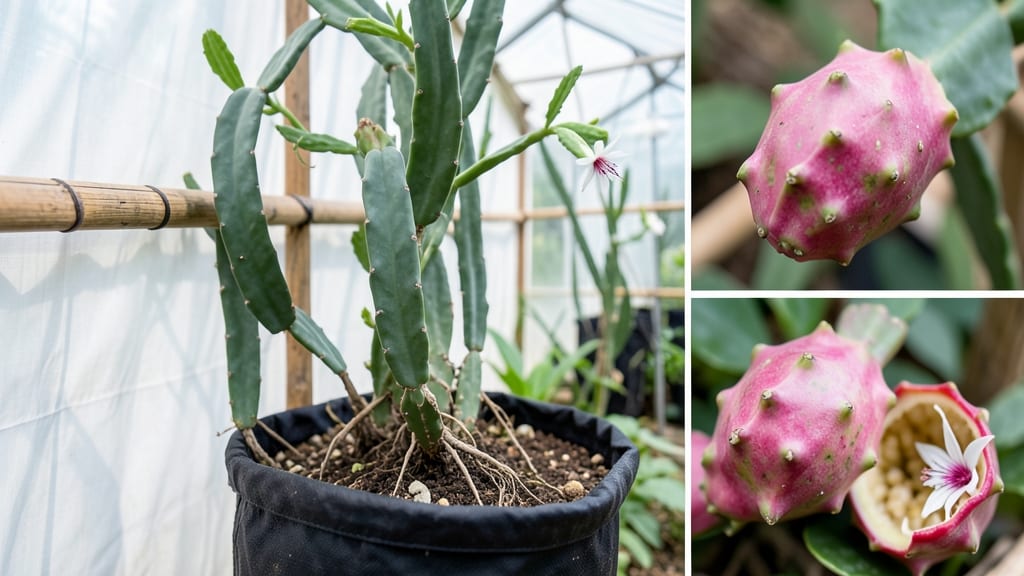
Growing fruit that looks like dragon fruit starts with the kiwano, a spiky green orb that explodes with jelly-like seeds when ripe. 🌱 I fell for this vine after seeing its neon colors and edible flowers—now my porch is covered in vines that double as decoration and snacking stations.
The real magic? It thrives in containers, making it perfect for balconies or small patios where space is limited.
These tropical vines love bright, indirect light and well-draining soil—think of them as the low-maintenance cousins of dragon fruit. They’ll climb trellises or spill over pots, producing hundreds of fruits per season if you keep them happy.
The flowers are edible too, adding a peppery kick to salads, and the fruits taste like a mix of banana and lime when ripe.
Harvesting is half the fun—just twist the fruits off the vine when they turn bright orange inside. Store them in the fridge for up to a week, or let them ripen at room temperature for that signature burst of flavor.
The only challenge? Keeping squirrels from stealing your crop before you do.
Whether you’re growing for the vibrant colors, the unique texture, or the tangy taste, these vines deliver year after year with minimal fuss. Perfect for gardeners who want drama without the high-maintenance upkeep of traditional fruit trees.
Nature’s Colorful Deception Explained
Fruits that mimic dragon fruit’s striking appearance—with their vivid magenta, pink, or yellow hues and scaly, oblong shapes—often do so for a reason. Whether it’s evolutionary survival tricks or human intervention, these similarities aren’t accidental.
Here’s why some fruits end up looking eerily like dragon fruit, broken down by the science behind their visual tricks.
Some fruits evolve to resemble dragon fruit as a way to attract pollinators—like bats, birds, or insects—using visual cues. Dragon fruit’s bright colors and unique texture make it instantly recognizable to animals that disperse its seeds. Certain fruits, such as:
- Pitaya-leaf Nightshade (Solanum quitoense): Produces small, egg-shaped fruits with a waxy, dragon fruit-like sheen. Its vibrant purple or red skin mimics the allure of dragon fruit to draw in pollinators like hummingbirds.
- Hylocereus Undulatus (Mini Dragon Fruit): A close relative of dragon fruit, its smaller, oblong fruits share the same scaly texture and color gradients—a direct evolutionary adaptation to ensure cross-pollination.
In these cases, the fruit’s appearance isn’t a fluke; it’s a deliberate survival strategy. Plants with similar traits often grow in the same regions, competing for the same pollinators. Over time, natural selection favors the most visually compelling options.
When botanists and farmers intentionally crossbreed plants, they sometimes create hybrids that bear a striking resemblance to dragon fruit—even if they’re not closely related. This happens because:
- Shared Traits in Cacti & Nightshades: Dragon fruit belongs to the Hylocereus genus (a type of cactus), while some nightshades (like Solanum) produce fruits with similar textures. Breeders may introduce cactus genes into other plants to achieve a desirable, exotic look.
- Pigment Engineering: Scientists can manipulate anthocyanin (the pigment responsible for dragon fruit’s pink/purple hues) in unrelated fruits. For example, genetically modified tomatoes or melons have been engineered to display dragon fruit-like colors for market appeal.
- Accidental Resemblance in Grafting: When two unrelated plants are grafted together (like a dragon fruit vine onto a hardier rootstock), the resulting fruit may develop unexpected visual traits due to genetic mixing.
💡 Pro Tip: If you’re growing a "dragon fruit lookalike" from seeds or cuttings, check the parent plant’s genetics—some nurseries sell mislabeled hybrids that resemble dragon fruit but aren’t edible or nutritious the same way.
Sometimes, fruits develop dragon fruit-like appearances as a response to their environment. Stress factors like:
- Sunlight Exposure: Too much direct sun can trigger phytochrome reactions in plant cells, darkening fruit skins and creating a scaly, leathery texture similar to dragon fruit’s.
- Water Scarcity: Drought-stressed plants may produce smaller, thicker-skinned fruits with intensified pigmentation to conserve moisture—a trait seen in some desert-adapted nightshades.
- Soil Mineral Imbalance: Excess nitrogen or phosphorus can alter fruit color and shape, leading to unexpected dragon fruit-like patterns in unrelated species.
For example, a passion fruit vine grown in poor soil might develop a purple, scaly exterior resembling dragon fruit as a stress response. While these fruits may not taste the same, their appearance is a clear sign of the plant’s struggle to thrive.
In modern agriculture, fruits are often artificially modified to resemble dragon fruit for commercial success. Techniques include:
| Method | How It Creates Dragon Fruit-Like Traits |
|---|---|
| CRISPR Gene Editing | Scientists can silence or activate genes responsible for skin texture and pigment in fruits like melons or cucumbers, making them mimic dragon fruit’s appearance. |
| Wax Coatings | Food-grade waxes (often carnauba or beeswax) are applied to fruits to give them a glossy, scaly look, tricking consumers into thinking they’re dragon fruit. |
| Hybridization Programs | Breeders cross Hylocereus (dragon fruit) with other cacti or even Solanum species to create novel, marketable varieties with familiar visuals. |
⚠️ Watch Out: Not all lab-created "dragon fruit lookalikes" are safe to eat. Some synthetic hybrids may contain unpredictable compounds due to genetic instability.
Fixing Your Fruit Look-Alikes
Got a plant that’s mimicking dragon fruit but isn’t quite hitting the mark? Whether it’s struggling with growth, color, or edibility, these practical fixes will help you revive your exotic vines and enjoy their stunning blooms (and tasty surprises!).
Below, we’ve matched common issues with step-by-step solutions—plus prevention tips to keep your plants thriving long-term.
Cause: Poor soil, lack of nutrients, or incorrect lighting. Fix It:
- 🔥 Upgrade Your Soil – Use a well-draining, nutrient-rich potting mix (like a blend of coconut coir, perlite, and compost). Avoid heavy clay soils that suffocate roots.
- 🌞 Optimize Light Exposure – Most dragon fruit look-alikes (like Hylocereus or Selenicereus) need 6+ hours of bright, indirect sunlight daily. If indoors, rotate the pot weekly for even growth.
- 💧 Water Wisely – Let the top 2–3 inches of soil dry out between waterings. Overwatering leads to root rot, while underwatering stunts growth.
💡 Pro Tip: Add a balanced fertilizer (like 10-10-10) every 4–6 weeks during spring/summer. Reduce in fall/winter when growth slows.
Cause: Insufficient light, nutrient deficiencies, or stress. Fix It:
- 🔦 Boost Light Intensity – Move your plant to a sunnier spot (a south- or west-facing window works best). If outdoors, ensure it’s in full sun (but protect from harsh afternoon rays in hot climates).
- 🍽️ Feed for Color – Lack of phosphorus (the "P" in NPK) dulls blooms. Switch to a high-phosphorus fertilizer (like 5-10-5) for 2–3 months before flowering season.
- 🌡️ Manage Temperature – Most exotic vines thrive in 70–85°F (21–29°C). Avoid drafts or sudden temperature drops, which can stress the plant.
✨ Quick Fix: A foliar spray with diluted seaweed extract can give blooms a glowing boost in just days!
Cause: Immature fruit, over-fertilizing, or pest damage. Fix It:
- 🍍 Wait for Full Ripeness – Many look-alikes (like Pitaya hybrids) must fully mature before eating. Wait until the skin softens and the scent becomes sweet.
- 🚫 Adjust Fertilizer Use – Too much nitrogen = leafy growth, bitter fruit. Switch to a low-nitrogen, high-potassium fertilizer (like 2-4-4) once buds form.
- 🐛 Check for Pests – Mealybugs or spider mites can weaken fruit. Wipe leaves with neem oil or soapy water, and isolate the plant until pests are gone.
🎯 Prevention Tip: If your fruit tastes too acidic, try pruning older leaves to redirect energy to ripening.
Cause: Root rot, fungal infections, or improper pruning. Fix It:
- 🔪 Prune Smartly – Cut back dead or yellowing vines to healthy green growth. Sterilize shears with rubbing alcohol to prevent disease spread.
- 💦 Fix Drainage Issues – If soil stays soggy, repot into a container with drainage holes and use sand or gravel at the bottom.
- 🍄 Treat Fungal Infections – If leaves have black spots, spray with copper fungicide or baking soda mix (1 tsp baking soda + 1 quart water + a drop of dish soap).
💡 Emergency Fix: If roots are mushy and black, trim all diseased roots, dust with cinnamon powder (natural antifungal), and repot in fresh soil.
To keep your dragon fruit look-alikes healthy and productive: ✅ Rotate pots every 6 months for even sunlight. ✅ Test soil pH (aim for 6.0–6.5)—use lime to raise or sulfur to lower it. ✅ Mulch with straw to retain moisture and deter weeds. ✅ Hand-pollinate flowers (use a small brush) if bees aren’t visiting. ✅ Store cuttings in shade for 2–3 days before replanting to prevent rot.
🌟 Final Thought: With the right care, your exotic vines will burst with color, sweet fruit, and drama—just like their dragon fruit cousins! Start with one fix at a time, monitor progress, and adjust as needed. Happy growing! 🌺🍈
Frequently asked questions
What are the most common fruits that look like dragon fruit?
The kiwano (horned melon) is the closest match—its spiky green exterior turns bright orange inside when ripe. Other lookalikes include pitaya-leaf nightshade (small purple fruits with waxy skin) and Hylocereus undulatus (mini dragon fruit with similar texture). Some passion fruit varieties also mimic its scaly appearance when stressed.
Can you eat all fruits that resemble dragon fruit?
Most can be eaten, but some are better raw than cooked. Kiwano flesh is jelly-like and tart, while pitaya-leaf nightshade has a banana-lime flavor. Always check ripeness—unripe lookalikes can taste bitter or cause mild stomach upset. When in doubt, start with a small bite and monitor your reaction.
How do I tell if my plant is producing real dragon fruit or a lookalike?
True dragon fruit comes from Hylocereus cacti and has bright pink or yellow skin with white flesh and tiny black seeds. Lookalikes often have green or purple exteriors and different internal textures. Check the vine type—dragon fruit vines are thick and segmented, while kiwano vines are more delicate and sprawling.
Why does my dragon fruit lookalike plant keep dying?
Overwatering is the #1 killer—these plants need well-draining soil and hate soggy roots. Other common issues include insufficient light (they need 6+ hours of sun) and temperature drops below 60°F (15°C). Try moving to a sunnier spot and letting the top 2-3 inches of soil dry completely between waterings.
Can I grow dragon fruit lookalikes indoors?
Kiwano and mini dragon fruit thrive indoors with bright grow lights (12+ hours daily) and warmth (70-85°F). Use a trellis for vertical growth and rotate the pot weekly for even light exposure. Just avoid cold drafts—these tropical plants need consistent warmth to produce fruit.