
Pruning
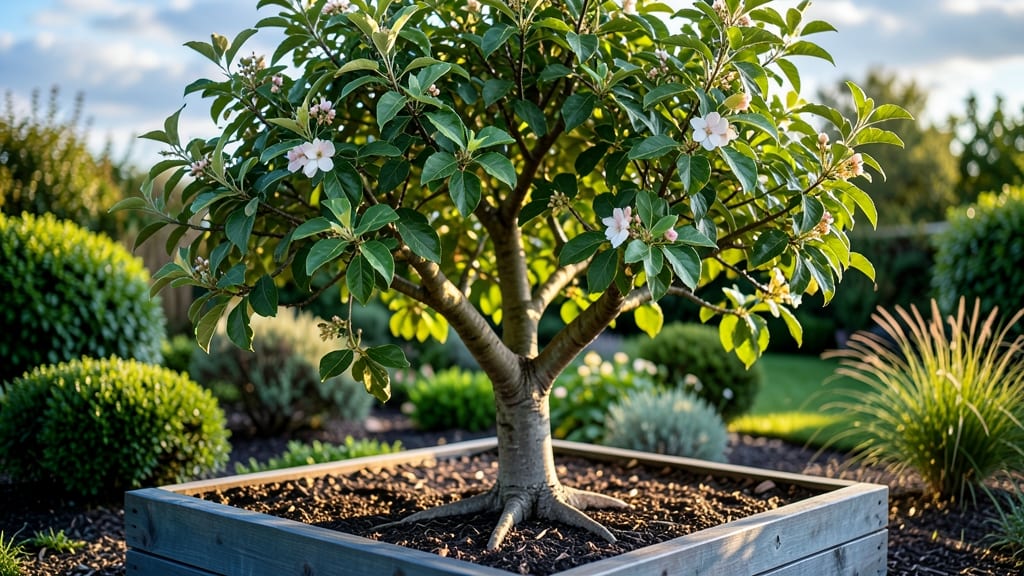
Your fruit tree’s leaves are whispering problems you can’t ignore—those brown spots, curled edges, or sticky residue hiding beneath. 🌿 The right leaf removal isn’t just about aesthetics; it’s the first step to stopping diseases like peach leaf curl or aphid colonies before they steal your harvest.
I’ve turned around three neglected trees using these exact techniques, and the difference in fruit quality is night-and-day.
Start by grabbing sharp pruners and a bucket of soapy water—no fancy tools needed. Remove only leaves with visible damage (yellowing, holes, or discoloration), and dispose of them far from your tree.
The key is precision: snip cleanly at the base of the leaf stem to avoid tearing, which invites infections. For pests, a strong spray of water often knocks them off before they spread.
What you’ll notice after just one session is new growth that’s vibrant green, not patchy. The tree directs energy into fruit production instead of fighting off leaf-borne diseases. By late summer, you’ll be picking fruit that’s larger, sweeter, and free of the blemishes that ruined last year’s harvest.
This works for apples, peaches, cherries, and even citrus—just adjust timing to your tree’s dormancy period. The worst-case scenario? You trim a few extra leaves. The best-case? A tree that thrives for years without the annual panic of blight season.
Root Causes of Leaf Loss
Understanding why fruit tree leaves decline—or disappear entirely—is the first step to restoring your tree’s health. Leaf issues often stem from a mix of environmental stress, biological threats, and poor cultural practices. Below, we break down the most common culprits with clear, actionable explanations.
---
Fruit trees rely on a balanced diet of macronutrients (N-P-K) and micronutrients to produce vibrant foliage. When leaves yellow, wilt, or drop prematurely, it’s often a cry for help from your tree’s roots.
- Nitrogen (N) Deficiency 🍂 Symptoms: Pale yellowing leaves (chlorosis) starting at the base, stunted growth. Why it happens: Nitrogen fuels leaf production.
Poor soil, over-pruning, or leaching (common in sandy soils) deplete this nutrient. Actionable fix: Apply organic matter (compost, aged manure) or a slow-release nitrogen fertilizer (like blood meal) in early spring.
- Magnesium (Mg) or Iron (Fe) Deficiency 🔬 Symptoms: Interveinal chlorosis (yellowing between veins), often on younger leaves. Why it happens: These micronutrients are critical for chlorophyll production.
Compacted or alkaline soils (pH >7.0) lock them out of root uptake. Actionable fix: Test soil pH and amend with sulfur (to lower pH) or apply chelated iron or Epsom salt (for Mg) during active growth.
- Potassium (K) Shortage ⚡ Symptoms: Brown "scorch" on leaf edges, weak stems, or premature leaf drop. Why it happens: Potassium regulates water and disease resistance. Overwatering or excessive nitrogen can starve roots of K. Actionable fix: Use a balanced fertilizer (e.g., 5-10-10) or wood ash (for potassium-rich soils).
--- Leaves don’t just fall—they’re often eaten, sucked dry, or infected by hungry invaders. Here’s how to spot the culprits:
- Sap-Sucking Insects 🐜 Culprits: Aphids, spider mites, scale insects. Why it happens: These pests pierce leaves to feed, injecting toxins that cause yellowing, curling, or premature drop.
They thrive in dry, dusty conditions. Actionable fix: - Blast off pests with a strong water spray (disrupts their life cycle). - Apply neem oil or insecticidal soap (organic options). - Introduce beneficial predators (ladybugs, lacewings).
- Fungal Infections 🍄 Culprits: Anthracnose, powdery mildew, leaf spot. Why it happens: Fungi love wet foliage and poor air circulation.
Overhead watering or dense canopies create the perfect breeding ground. Symptoms: Spots, powdery coatings, or leaves dropping with black/brown lesions. Actionable fix: - Prune for airflow (remove crossing branches). - Apply copper fungicide or baking soda spray (1 tbsp baking soda + 1 quart water + a drop of soap). - Water at the base (avoid wetting leaves).
- Bacterial Leaf Spot 🔬 Symptoms: Greasy, water-soaked spots that turn yellow/brown and drop leaves. Why it happens: Bacteria (Xanthomonas or Pseudomonas) spread via splashed water or contaminated tools. Actionable fix: - Sterilize pruners with rubbing alcohol between cuts. - Remove and destroy infected leaves (don’t compost). - Use copper-based bactericides preventatively.
--- Even healthy trees shed leaves when pushed beyond their limits. These factors disrupt photosynthesis and trigger defensive responses:
- Drought or Overwatering 💦 Why it happens: - Drought: Roots can’t absorb water, causing wilting, brown edges, and drop. - Overwatering: Roots suffocate in soggy soil, leading to root rot and nutrient starvation. Actionable fix: - Water deeply but infrequently (1–2 inches per week, depending on climate). - Improve drainage with organic mulch (wood chips) or sand amendments.
- Extreme Temperatures ❄️☀️ Why it happens: Fruit trees are sensitive to sudden temperature swings, especially young or tropical varieties. - Cold damage: Blackened, crispy leaves after frost. - Heat stress: Wilting, scorched edges in high summer temps. Actionable fix: - Mulch heavily in winter to insulate roots. - Provide shade cloth during heatwaves (especially for young trees).
- Wind or Physical Damage 🌬️ Why it happens: Strong winds tear leaves or disrupt root uptake by drying soil. Actionable fix: - Stake young trees or use windbreaks (burlap screens). - Prune to improve structure (remove weak, upright branches).
--- Aggressive or improper pruning can shock a tree into dropping leaves as it diverts energy to recovery.
- Over-Pruning ⏳ Why it happens: Removing >25% of foliage at once strains the tree’s ability to photosynthesize. Actionable fix: - Limit pruning to early spring (dormant season). - Never remove more than 1/3 of the canopy in one session.
- Wrong Time of Year ⏰ Why it happens: Pruning during active growth (summer) or late fall stresses the tree, making it vulnerable to disease. Actionable fix: - Best time: Late winter/early spring (just before buds swell).
- Poor Cut Technique ❌ Why it happens: Jagged cuts or leaving stubs invite disease and weaken branches. Actionable fix: - Use clean, sharp tools and make cuts just outside the branch collar.
Fixing Foliage Issues Step-by-Step
Healthy fruit tree leaves are the lifeblood of your harvest, but when they’re struggling—whether from pests, disease, or poor care—quick action keeps your tree thriving. Below, we map common fruit tree leaf problems to practical fixes, plus prevention tips to stop issues before they start.
---
Cause: Too much water, lack of nitrogen, or poor drainage. Fix: - 🔥 Adjust Watering: Water deeply 1-2 times per week (depending on climate) and avoid soggy soil. Stick your finger 2 inches into the soil—if it’s damp, wait. - 🍳 Fertilize Smartly: Apply a balanced fertilizer (10-10-10) in early spring or a nitrogen-rich supplement (like fish emulsion) if leaves are pale yellow. Follow label rates! - 👨🍳 Improve Drainage: Amend heavy clay soil with compost or sand to prevent root rot.
💡 Prevention Tip: Mulch around the base (2-3 inches) with wood chips to retain moisture without suffocating roots.
---
Cause: Humid conditions, poor airflow, or infected tools. Fix: - 🔪 Prune for Airflow: Remove crowded branches and thin out leaves to improve circulation. Aim for open, sunlit foliage. - 🥘 Fungicide Treatment: Spray leaves with a copper fungicide or baking soda mix (1 tbsp baking soda + 1 quart water + a drop of dish soap) every 7-10 days until spots fade. - ⏰ Clean Up Debris: Rake and dispose of fallen leaves to eliminate fungal spores.
🌡️ Prevention Tip: Water early in the morning so leaves dry quickly, and sterilize pruners with rubbing alcohol between cuts.
---
Cause: Aphids, mites, or caterpillars sucking nutrients. Fix: - 🔥 Manual Removal: Blast off aphids or mites with a strong spray of water (early morning works best). - 🍳 Natural Pesticides: Use neem oil (mix 1 tbsp with 1 quart water + a drop of soap) or insecticidal soap on affected areas. Reapply every 5-7 days. - 👨🍳 Introduce Predators: Ladybugs and lacewings devour pests—buy them online or attract them with dill or fennel plants nearby.
🎯 Prevention Tip: Inspect new plants before adding them to your garden, and remove fallen fruit (a breeding ground for pests).
---
Cause: Shock from pruning, extreme heat, or transplant stress. Fix: - 🔪 Prune Correctly: Trim only in late winter/early spring (avoid summer). Use clean, sharp tools and cut at a 45-degree angle just above a bud. - 🥘 Provide Shade: If heat is the issue, temporarily shade young trees with burlap or shade cloth during peak sun (10 AM–4 PM). - 💧 Hydrate Deeply: Water slowly at the base (not overhead) to reduce stress. Use drip irrigation for consistency.
✨ Prevention Tip: Acclimate new trees gradually to outdoor conditions if moving from a nursery pot.
--- | Problem | Quick Fix | Prevent It | |----------------------|----------------------------------------|-----------------------------------------| | Curling leaves | Check for thrips or drought | Mulch + regular watering | | Brown edges | Over-fertilizing or dry air | Test soil pH; use humidifier near trees | | Stunted growth | Root-bound or poor soil | Repot if needed; add compost |
--- Final Thought: Most leaf issues are fixable with timely care—but the key is consistency. Monitor your tree weekly, and don’t hesitate to prune aggressively if branches are dead or diseased. Healthy leaves = bigger, tastier fruit! 🍎🍐
Frequently asked questions about fruit tree leaves
Why are my fruit tree leaves turning yellow?
Yellowing leaves (chlorosis) often signal a nutrient deficiency, usually nitrogen or iron. Check the soil—sandy or alkaline conditions block nutrient uptake. Apply compost or Epsom salt (for magnesium) and water deeply. If only new leaves are yellow, it’s likely iron deficiency—use chelated iron in spring.
How do I tell if my fruit tree leaves have pests?
Look for tiny webs (spider mites), sticky residue (aphids), or holes (caterpillars). Shake leaves over a white sheet—pests like aphids or mites will fall. For organic control, spray with neem oil or blast off pests with water. Introduce ladybugs or lacewings to eat them naturally.
Can I prune leaves mid-season to improve airflow?
Yes, but do it carefully! Remove only diseased or crowded leaves to avoid shocking the tree. Use clean, sharp pruners and cut at the base of the leaf stem. Avoid heavy pruning in summer—focus on thinning out 20-30% of the canopy to boost airflow and reduce fungal risks like powdery mildew.
What’s the best way to dispose of infected leaves?
Never compost diseased leaves—they spread spores! Bag them in a sealed plastic bag and throw them in the trash. For severe cases (like bacterial leaf spot), burn them if possible, or bury them deep in the soil away from your tree. Sterilize tools with rubbing alcohol after each cut to prevent cross-contamination.
Will removing leaves help my fruit tree produce more fruit?
Yes, but only if you remove only the unhealthy ones. Healthy leaves power photosynthesis, while damaged leaves drain energy. Prune to open the canopy—this improves airflow, reduces pests, and lets sunlight reach lower branches. Focus on removing leaves with spots, holes, or discoloration to redirect the tree’s energy to fruit production.