
Fertilization
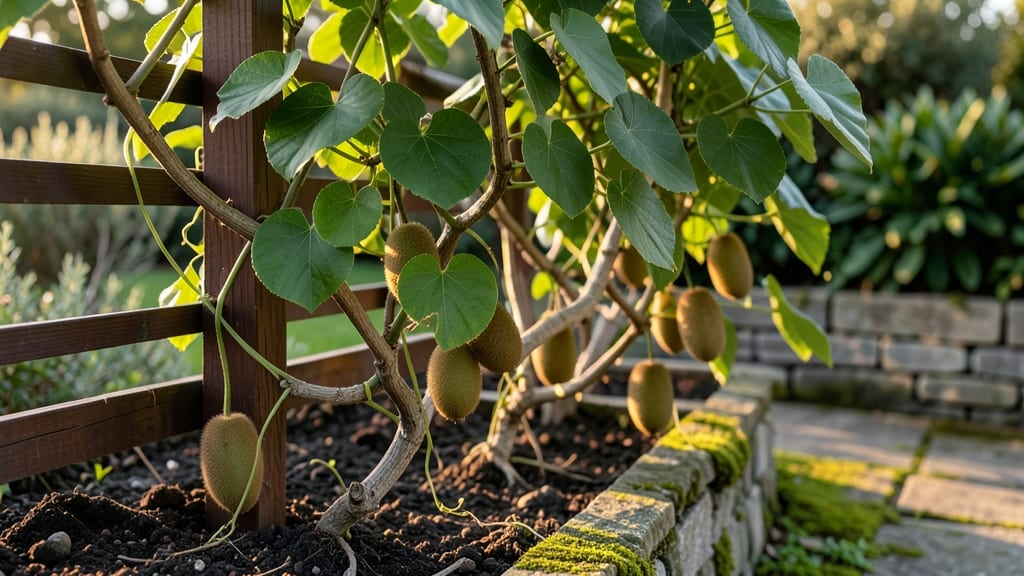
Growing kiwi fruit from seed to harvest feels like taming a jungle vine—if you know the right tricks. 🌿 The secret starts with choosing between hardy Actinidia arguta (cold-tolerant) and tropical Actinidia deliciosa varieties, then matching them to your climate.
I learned the hard way that planting without proper support leads to tangled messes, not fruit. For a productive vine, you'll need a sturdy trellis or fence at least 15 feet tall—kiwis climb like crazy.
The soil needs rich organic matter and good drainage, and you'll want to plant male and female vines close together for pollination. My first harvest came after three years of patience, but the sweet-tart reward made it worth every pruned branch.
Once established, these vines produce pound-after-pound of fruit with minimal effort—just keep them watered, fertilized, and pruned in late winter. The real magic happens in fall when the fuzzy brown fruits ripen, bursting with flavor that puts store-bought to shame.
Works in zones 5-9 for hardy varieties, but tropical kiwis need year-round warmth. Here's how to make it happen in your garden!"
📚 In This Guide
- What you need
- Instructions
- Tips and common mistakes
- Wrapping up and next steps
What you need
- ● Kiwi Vine Plants: 2-3 healthy Actinidia deliciosa (female) vines
- ● 1 male vine (for pollination)
- ● Tip: Choose disease-resistant varieties like Hayward or Saanichton!
- ● Soil & Fertilizers: Well-draining, slightly acidic soil (pH 5.5-6.5)
- ● Compost or aged manure (2-3 inches mixed into topsoil)
- ● Balanced fertilizer (10-10-10 or 5-10-10 NPK ratio)
- ● Slow-release organic fertilizer (e.g., alfalfa meal)
- ● Support Structures: Strong trellis or arbor (12-15 feet tall)
- ● Tough twine or garden wire (for training vines)
- ● Watering Supplies: Drip irrigation system or soaker hoses (kiwis hate soggy roots!)
- ● Water storage (5+ gallons for young plants)
- ● Pruning Tools: Sharp bypass pruners (for clean cuts)
- ● Loppers (for thicker branches)
- ● Gloves (kiwi vines have thorns!)
- ● Mulch (straw or wood chips to retain moisture)
- ● Pest control (neem oil, insecticidal soap)
- ● Frost cloth (for colder climates)
- ● Soil test kit (to monitor nutrient levels)
How to grow kiwi fruit vines: a year-round harvest guide
Kiwi vines thrive with patience and the right conditions—here's how to grow them successfully.
🌱 Step 1: Choose the Right Variety and Planting Site
Kiwi vines need both male and female plants for fruit production, so start with at least one of each. Hardy kiwi (Actinidia arguta) varieties like 'Issai' are self-fertile and perfect for home gardens, while traditional kiwi (Actinidia deliciosa) requires separate male and female plants. Plant in a location with 6-8 hours of direct sunlight daily and protection from strong winds.
Kiwi vines are vigorous climbers, so install a sturdy trellis or arbor at planting time. The trellis should be at least 12-15 feet tall to support the vine's growth. I always plant mine near a south-facing fence or wall for maximum sun exposure. The soil should be well-draining and rich in organic matter—kiwi vines hate soggy roots.
☀️ Step 2: Plant Vines in Early Spring
Plant bare-root vines in early spring, after the last frost date in your area. Dig a hole twice as wide as the root ball but only as deep. Position the vine so the graft union (a slight bump near the base) is 2-3 inches above soil level
Water deeply right after planting to settle the soil and remove any air pockets. Mulch around the base with 2-3 inches of organic mulch like wood chips or straw to retain moisture and suppress weeds. Kiwi vines establish slowly, so keep the soil consistently moist but never waterlogged during the first growing season. Kiwi vines need strong structural support, so train the main stem along the trellis during the first year. Remove any side shoots until the vine reaches the top of the trellis—this encourages a single, strong leader. Once the vine reaches maturity, prune in late winter to shape the plant and promote fruiting. Prune out any dead, diseased, or crossing branches first. Then, cut back last year's growth by about one-third to encourage new, fruit-bearing wood. I always leave some older wood because kiwi fruit sets on 1-2 year old canes. Thin out crowded branches to improve airflow and reduce disease risk. You'll see new growth emerge in early spring—that's your signal the pruning worked. Kiwi vines are heavy feeders, so fertilize in early spring with a balanced 10-10-10 fertilizer or a slow-release organic option. Apply ½ pound per 100 square feet of garden area, working it into the top 6 inches of soil. Water deeply after fertilizing to help nutrients reach the roots. Repeat this process in mid-summer for a second feeding. Water kiwi vines consistently, especially during the first few years of growth. Aim for 1-2 inches of water per week, including rainfall. Let the top 2 inches of soil dry out between waterings to prevent root rot. Drip irrigation works best because it delivers water directly to the root zone without wetting the leaves, which reduces disease risk. Kiwi fruit typically ripens in late summer to early fall, depending on your climate. Harvest when the fruit is plump, slightly soft, and changes color from green to brown or gold. Gently twist the fruit to detach it from the vine—it should come off easily when ripe. Store unripe kiwis at room temperature until they soften, then refrigerate for up to 3 months. In colder climates, protect young vines from winter damage by wrapping the trellis and vine in burlap or frost cloth. Older, established vines can handle 10-15°F temperatures, but new growth is more sensitive. Prune lightly in late winter to remove dead wood and encourage new growth for the next season. With proper care, your kiwi vine will produce fruit for decades.🌿 Step 3: Train and Prune for Maximum Fruit Production
💧 Step 4: Fertilize and Water for Healthy Growth
⏰ Step 5: Harvest and Overwinter for Next Year's Crop
Tips & tricks for growing kiwi fruit vines
These practical insights will help you avoid common pitfalls and maximize your kiwi vine's potential.
Sunlight and Site Selection: The 6-8 hours of direct sunlight mentioned in Step 1 is non-negotiable—kiwi vines are sun-worshippers. If your yard gets less than 6 hours, consider growing in containers near a sunny wall or using supplemental grow lights during shorter days. I've seen vines thrive with 7 hours but struggle with only 5, even with extra care. South-facing locations get the most consistent sun exposure.
Trellis Height Matters: That 12-15 foot trellis recommendation isn't just about aesthetics—it's about fruit production. Taller trellises allow vines to develop more fruiting canes (those 1-2 year old branches where fruit sets). If space is limited, use a 10-foot trellis but be prepared for slightly smaller harvests. The key is vertical growth—kiwi vines grow best when they can climb upward rather than sprawl horizontally.
Watering Wisdom: The 1-2 inches of water per week guideline is perfect, but timing matters just as much. Water deeply in the morning so leaves have time to dry before evening—a wet canopy invites fungal diseases. I've found that drip irrigation systems work best because they deliver water right at the roots without wetting the leaves. During the first year, check soil moisture daily—kiwi vines establish slowly and need consistent moisture.
Fertilizer Timing: The spring and mid-summer feeding schedule is spot-on, but here's what nobody tells you: kiwi vines actually prefer less fertilizer than most gardeners give them. That ½ pound of 10-10-10 per 100 square feet is plenty—over-fertilizing leads to lush foliage but fewer fruits. I always do a soil test first to check nutrient levels before applying fertilizer. Too much nitrogen means big leaves but small kiwis!
Pro Tips for How Is Kiwi Fruit Grown
- These practical insights will help you avoid common pitfalls and maximize your kiwi vine's potential.
- Sunlight and Site Selection: The 6-8 hours of direct sunlight mentioned in Step 1 is non-negotiable—kiwi vines are su...
- Trellis Height Matters: That 12-15 foot trellis recommendation isn't just about aesthetics—it's about fruit productio...
Frequently asked questions
Got questions about growing kiwi fruit? You’re not alone! Here are some of the most common queries—plus straightforward answers to help you cultivate your own vineyard.
How long does it take for a kiwi plant to bear fruit?
A kiwi vine typically takes 3 to 5 years to produce fruit, depending on the variety and growing conditions. Patience is key—young vines focus on establishing roots and vines before flowering. Male and female plants must be planted together for pollination, so plan ahead!
Can kiwi fruit be grown in containers?
Yes! Kiwi vines thrive in large containers (at least 15-gallon pots) with well-draining soil. Choose compact varieties like Issai (self-pollinating) for small spaces. Ensure the container has support for climbing and place it in full sun. Just remember: container-grown kiwis may need more frequent watering and fertilizer.
How do I protect kiwi vines in cold climates?
Kiwi vines are hardy to USDA Zone 6 but struggle in frost. Mulch heavily around the base in winter, and wrap young vines in burlap or frost cloth. For extreme cold, grow kiwis in containers and move them indoors or to a greenhouse. Prune damaged branches in spring to encourage new growth.
Why aren’t my kiwi flowers turning into fruit?
Fruitless flowers often mean lack of pollination or poor growing conditions. Ensure you have both male and female vines nearby (or a self-pollinating variety). Bees love kiwi flowers—plant pollinator-friendly flowers nearby to attract them. Also, check for pests (like thrips) or nutrient deficiencies (especially nitrogen or phosphorus).
Are there kiwi alternatives for warmer climates?
If traditional kiwis struggle in heat, try hardy kiwi varieties like Actinidia arguta (a smaller, cold-tolerant cousin) or Chinese gooseberry (a close relative). Alternatively, grow passion fruit or figs, which thrive in warm climates and offer similar tropical vibes!
Wrapping up and next steps
Growing kiwi fruit is a rewarding journey that blends tropical charm with patient care—from selecting the right vines to mastering fertilization and pest control. With the right soil, climate, and techniques, you can enjoy a bountiful harvest year after year.
Whether you're a backyard gardener or a small-scale farmer, the key lies in consistency and observation.
Ready to take the next step? Start small—plant a few vines, experiment with fertilization, and let your curiosity guide you. Who knows? You might just uncover your own kiwi-growing secrets! 🌱✨