
Propagation
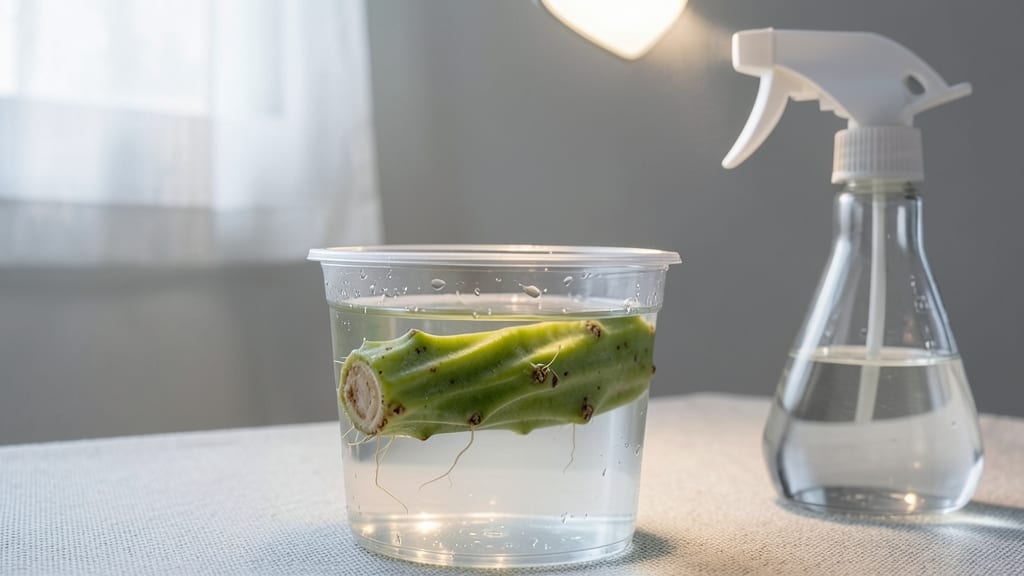
Growing dragon fruit from cuttings is like unlocking a tropical treasure chest in your backyard. 🌱 The secret starts with a single healthy stem—no fancy equipment needed. I’ve rooted dozens of cuttings, and the key is patience and the right conditions.
Within six weeks, you’ll see roots forming, setting the stage for a plant that could fruit in just 18 months.
You’ll need sharp pruners, a well-draining mix (cactus soil works perfectly), and a bright spot with indirect light. Humidity is your friend here—think of a greenhouse or a plastic bag tent over the cuttings.
The magic happens when you balance moisture without drowning the stems. Too wet? Rot sets in. Too dry? Roots stall. It’s a delicate dance, but one you’ll master quickly.
Once roots appear, transplant carefully to avoid shock. Your dragon fruit will grow fast—expect new pads forming within weeks. With proper care, you’ll watch vines climb, flowers bloom, and eventually, those signature pink or white dragon fruit appear. The first harvest is the sweetest reward after months of nurturing.
This method works year-round in warm climates, but cooler zones can start indoors. The best part? You’ll save money and grow rare varieties not found in stores. Let’s get those cuttings rooted!
📚 In This Guide
- What you need
- Instructions
- Tips and common mistakes
- Wrapping up and next steps
What you need
- ● Dragon fruit cuttings: Healthy, 3–6 inch long cuttings with at least 2–3 nodes (swollen areas where roots and leaves grow). Tip: Use mature, disease-free stems from a thriving dragon fruit plant!
- ○ Rooting hormone: A powder or gel (like Clonex or similar) to boost root growth. Optional: Cinnamon powder (natural antifungal) can work in a pinch.
- ● Well-draining potting mix: A blend of 50% perlite or pumice and 50% coconut coir or peat moss (sterilized). Avoid garden soil—it can cause rot!
- ● Small pots or trays: 4–6 inch diameter pots (or a seed tray with drainage holes) for each cutting. Pro tip: Use clear plastic pots to monitor root growth!
- ● Drainage material: Small rocks, gravel, or broken pottery pieces for the bottom of pots.
- ● Spray bottle: For misting cuttings to maintain humidity.
- ● Plastic wrap or humidity dome: To create a mini greenhouse effect.
- ● Sharp pruning shears or knife: Sterilized to make clean cuts.
- ● Watering can or spray bottle: For gentle hydration.
- ● Warmth: Keep cuttings in a spot with 70–85°F (21–29°C) temperatures. A sunny windowsill or grow light works great!
- ● Humidity: Aim for 70–80% humidity. Use a humidity tray or mist lightly daily.
- ● Indirect light: Bright, filtered light (avoid direct sun, which can scorch young cuttings).
- ● Grow lights (LED full-spectrum bulbs) for consistent lighting.
- ● Fertilizer (diluted seaweed or fish emulsion) after roots form (4–6 weeks).
- ● Label markers to track cutting progress.
- ● Rooting cubes (like Oasis cubes) for a mess-free setup.
Step-by-Step instructions for growing dragon fruit from cuttings
Here’s how to root dragon fruit cuttings successfully—no fancy equipment needed, just patience and the right conditions.
🌱 Step 1: Select and Prepare Healthy Cuttings
Choose a mature dragon fruit vine with thick, woody stems that are at least ½ inch in diameter. Look for healthy segments with 3-4 nodes (the little bumps where leaves grow). Use clean, sharp pruning shears to cut just below a node at a 45-degree angle—this increases surface area for root growth.
Remove all but the top 2-3 leaves to reduce moisture loss. Let the cuttings dry in a shady spot for 1-2 hours until a callous forms over the cut end. This prevents rot once planted. I like to work in the early morning so the cuttings have the whole day to heal before handling.
💧 Step 2: Root in a Light, Fast-Draining Medium
Fill a small pot or container with a mix of 50% perlite and 50% coconut coir—this combo drains well while holding enough moisture to encourage roots. Dragon fruit cuttings rot easily if kept too wet, so avoid garden soil or dense mixes. Moisten the medium until damp but not soggy, then make a hole deep enough to bury 1-2 nodes below the surface.
Gently insert the cutting, firming the medium around it to eliminate air pockets. Place the pot in a warm spot with bright, indirect light—think east-facing window or under a grow light. Mist the leaves lightly every 2-3 days to maintain humidity without drowning the roots. You’ll know it’s working when tiny white roots appear at the buried nodes in 4-6 weeks.
☀️ Step 3: Provide Warmth and Humidity for Root Growth
Dragon fruit cuttings root best in temperatures between 70-85°F. If your home runs cooler, place the pot on a seedling heat mat set to 75°F—this mimics tropical conditions. Cover the pot loosely with a clear plastic bag or humidity dome to trap moisture, but remove it daily for 10 minutes to prevent mold.
Watch for condensation inside the bag—this means humidity is high enough. If leaves start yellowing, you’re overwatering. Reduce misting to every 5-7 days and let the top inch of medium dry out between waterings. Once roots reach 2-3 inches long, the cutting is ready to transplant into a larger container with well-draining potting mix.
🪴 Step 4: Transplant Rooted Cuttings to Pots
Choose a 6-inch pot with drainage holes and fill it with a mix of 60% cactus/succulent mix and 40% perlite. Dragon fruit plants hate soggy roots, so this blend prevents rot. Dig a hole deep enough to bury the rooted cutting 1 inch deeper than it was in the propagation pot—this encourages stability.
Water thoroughly after transplanting, then place the pot in bright, indirect light for 1-2 weeks to help it adjust. Gradually introduce it to direct sun over 5-7 days to avoid leaf scorch. You’ll know it’s thriving when new growth appears at the top nodes within 4-6 weeks.
Tips & tricks for propagating dragon fruit cuttings
Here's what I learned the hard way after trying (and failing) to root dragon fruit cuttings—these tricks make all the difference.
Cutting Selection: In Step 1, focus on stems that are at least ½ inch thick and have 3-4 healthy nodes. The thicker the stem, the better chance of success. I've found that cuttings from the middle section of the vine—neither too young nor too old—root most reliably. Avoid stems with any signs of disease or yellowing, as these won't recover during propagation.
Drying Time Matters: The 1-2 hour drying period in Step 1 is crucial for preventing rot. Place your cuttings in a shady spot where they won't dry out completely but can form that protective callous. I've seen cuttings rot within days when this step was skipped. If you're working with multiple cuttings, process them in batches so you can monitor the drying progress closely.
Medium Mix Precision: For Step 2, stick to the exact 50% perlite and 50% coconut coir mix—don't substitute with regular potting soil. I tried adding a bit of compost once and ended up with moldy cuttings. The perlite-coir combo provides just the right balance of moisture retention and drainage. When planting, bury only 1-2 nodes below the surface—any deeper and the cutting may suffocate.
Temperature Consistency: Maintaining temperatures between 70-85°F in Step 3 is non-negotiable. If your home runs cooler, invest in a small seedling heat mat set to 75°F—it's the difference between success and failure. I've seen cuttings take twice as long to root when kept in cooler conditions. The heat mat also helps prevent the medium from getting too cold, which can shock the cuttings.
Pro Tips for Grow Dragon Fruit From Cuttings
- Here's what I learned the hard way after trying (and failing) to root dragon fruit cuttings—these tricks make all the difference.
- Cutting Selection: In Step 1, focus on stems that are at least ½ inch thick and have 3-4 healthy nodes.
- Drying Time Matters: The 1-2 hour drying period in Step 1 is crucial for preventing rot.
Frequently asked questions
Got questions about growing dragon fruit from cuttings? You’re not alone! Here are some of the most common queries—and straightforward answers—to help you succeed.
How long does it take for dragon fruit cuttings to root?
With the right conditions (warmth, humidity, and a rooting hormone), your dragon fruit cuttings should start developing roots in 2–4 weeks. Full root establishment and readiness for transplanting typically takes 6 weeks. Patience is key—don’t rush it!
Can I root dragon fruit cuttings in water?
While possible, water rooting isn’t ideal for dragon fruit. The stems rot easily in water, and roots grow weaker. Instead, use a well-draining soil mix (like perlite + coconut coir) or a rooting hormone to encourage stronger, healthier roots. Stick to soil for best results!
What’s the best temperature for rooting dragon fruit cuttings?
Dragon fruit cuttings thrive in 70–85°F (21–29°C). If your climate dips below 60°F (15°C), use a heat mat or propagate indoors near a sunny window. Avoid cold drafts—they’ll slow (or stop) root growth entirely.
How do I know if my cutting is rotting vs. rooting?
Healthy roots look white or light tan and fuzzy. Rotting stems turn black, mushy, or smell foul. If you see mold or soft spots, act fast: trim the bad tissue, dip in fungicide, and replant in fresh, dry soil. Keep humidity high but avoid overwatering!
Can I grow dragon fruit from cuttings indoors?
Yes! Place your rooted cuttings in a large pot (10+ inches) with a south-facing window or under grow lights (12+ hours/day). Use a well-draining cactus/succulent mix and keep temps warm. Just be patient—indoor dragon fruit may take longer to fruit than outdoor plants.
Wrapping up and next steps
Growing dragon fruit from cuttings is a rewarding journey that combines patience with the joy of nurturing life. With the right tools, a little care, and consistent attention, you’ll soon watch vibrant pink or yellow blooms transform into delicious fruit—all from a simple cutting! 🌱
Ready to take the next step? Once your cuttings root and thrive, consider transplanting them into larger pots or even your garden. Stay curious, keep experimenting, and enjoy the sweet rewards of your green thumb! 🌟