
Fertilization
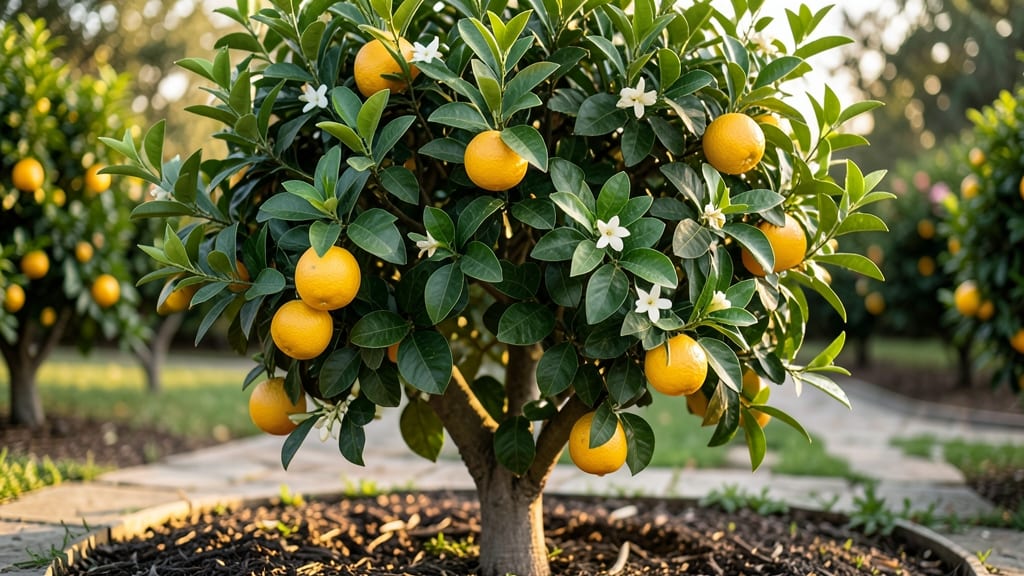
Grapefruit is indeed a citrus fruit, belonging to the Citrus × paradisi hybrid family, which also includes oranges and lemons. Its tart-sweet flavor and botanical classification as a hesperidium make it a staple in citrus cultivation and nutrition.
This classification isn't just about flavor—it's rooted in genetics. 🌱 Grapefruit originated as a natural cross between pomelos and oranges, inheriting traits from both parents while developing its own unique profile.
The hesperidium classification (a berry with a leathery rind) explains why grapefruit shares growing requirements with other citrus like lemons and limes, including similar sunlight needs and frost sensitivity.
What's fascinating is how its hybrid nature gives it both the sweetness of oranges and the tartness of lemons, creating a flavor profile that's distinctly its own.
For gardeners, this means grapefruit trees thrive in the same conditions as other citrus varieties—warm climates with well-draining soil. The Citrus × paradisi designation also explains why grapefruit is often cross-pollinated with other citrus to create new varieties, like the pink grapefruit we see in stores today.
Understanding this botanical connection helps explain why grapefruit behaves like its citrus cousins while standing out in taste and texture.
💡 In This Article
- Botanical Classification of Grapefruit in the Citrus Family
- Cultivating Grapefruit: Growing Tips for Home Gardens
Botanical classification of grapefruit in the citrus family
The grapefruit's classification as a citrus fruit traces back to its hybrid origins, where a pomelo (Citrus maxima) crossed with a sweet orange (Citrus × sinensis) around 200-300 years ago in Barbados.
This natural hybridization created Citrus × paradisi, a species that combines the pomelo's large size and thick rind with the orange's sweetness. The result? A fruit with 10-12% sugar content (similar to oranges) but with a tartness derived from its pomelo ancestry.
What makes grapefruit botanically unique is its structure as a hesperidium—a berry with a leathery rind containing oil glands and segmented, juicy flesh.
This classification explains why grapefruit shares key traits with other citrus fruits: all require full sun exposure (6-8 hours daily), thrive in USDA Hardiness Zones 9-11, and produce flowers that are pollinated by bees.
The grapefruit's 1.5-2.5 inch-thick rind (thicker than oranges) contains bitter compounds called limonoids, which give it that signature sharpness when eaten raw.
Genetic studies reveal grapefruit shares 90% of its DNA with oranges but inherits 15-20% of its traits from pomelos, including its larger size and slower growth rate. This hybrid vigor explains why grapefruit trees often outperform their parent species in fruit production.
The fruit's pH level of 3.0-3.5 (more acidic than oranges) also stems from this genetic mix, creating the perfect balance for both culinary and nutritional applications.
What most people don't realize is how this classification affects grapefruit's growing requirements. Unlike oranges that can tolerate slightly cooler temperatures, grapefruit's pomelo heritage makes it highly sensitive to frost—temperatures below 28°F can kill the tree.
This sensitivity explains why commercial grapefruit production centers around Florida, California, and Texas, where winter temperatures rarely drop below freezing. The fruit's 3-6 month maturation period also mirrors other citrus varieties, taking 6-12 months from flowering to harvest.
Consider these key genetic traits that distinguish grapefruit from its citrus cousins:
- Flavonoid profile: Contains naringenin (a bitter compound) at 100-200 mg per 100g, giving it that signature tartness
- Volatile oils: Produces 1-2% essential oils in its rind, with limonene being the dominant compound (similar to lemons)
- Seed production: Typically contains 0-5 seeds (fewer than pomelos but more than oranges)
The grapefruit's classification as a citrus fruit isn't just academic—it explains why it behaves like its relatives in cultivation while offering distinct culinary possibilities.
This hybrid nature is what makes grapefruit both a gardener's challenge and a chef's delight, bridging the gap between sweet and tart in ways other citrus fruits cannot. 🌟