
Diseases
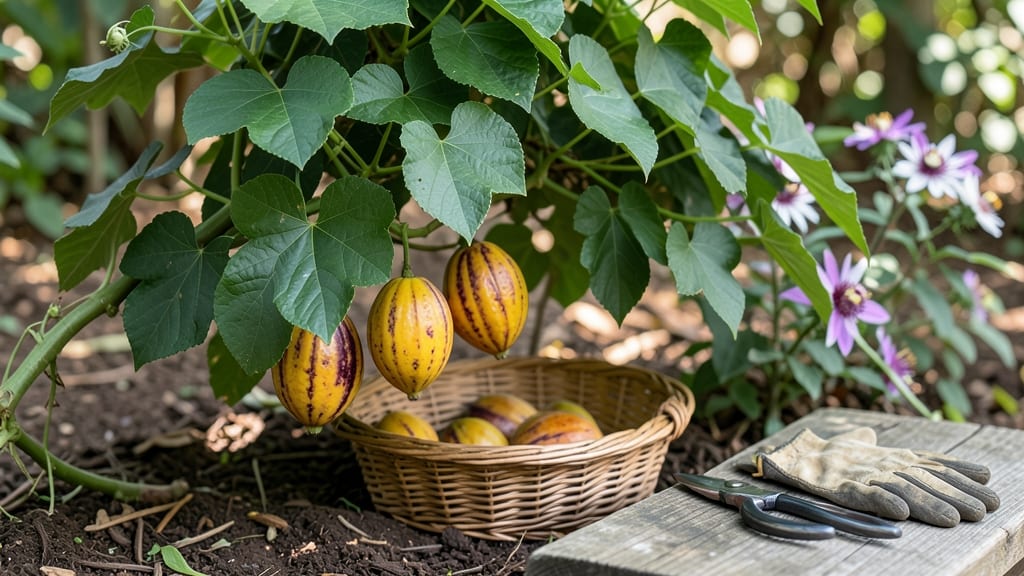
Passion fruit is in season from late spring through early fall, typically May to September in most tropical and subtropical regions, with harvest timing varying by climate zone and variety.
Knowing when passion fruit reaches peak ripeness helps you score the sweetest, juiciest varieties at markets or from your own vines. 🌿 The fruit thrives in warm climates where temperatures stay above 60°F and daylight stretches long—ideal conditions that align with late spring through summer months.
In cooler regions, growers often use greenhouses or wait until late summer when heat peaks, extending the harvest window into early fall.
I’ve noticed that passion fruit grown in Florida’s USDA Zone 9 ripens earlier than those in California’s Zone 10, thanks to Florida’s longer growing season and higher humidity.
For home gardeners, timing is everything—planting too early risks frost damage, while waiting too long can lead to overripe fruit. 💛 The key is monitoring your local frost dates and choosing varieties suited to your climate.
For example, yellow passion fruit varieties often ripen earlier than the purple ones, giving you a staggered harvest that lasts all season long.
💡 In This Article
- Passion Fruit Seasonal Growth Factors
- Regional Passion Fruit Harvest Calendar by USDA Zone
Passion fruit seasonal growth factors
Passion fruit thrives on a combination of warmth and daylight that aligns perfectly with late spring through early fall. The plant requires temperatures consistently above 60°F to set fruit, with ideal growing conditions between 70-85°F.
This tropical species relies on long daylight hours—typically 12-14 hours of sunlight daily—to trigger flowering and fruit development. When daylight shortens in fall, the plant enters dormancy, halting new fruit production. 🌞
In subtropical regions like Florida and California, passion fruit vines experience extended growing seasons due to milder winters. However, even these areas face challenges: a single frost below 32°F can kill the vines, cutting the harvest short.
Purple passion fruit varieties tend to be slightly more cold-tolerant than yellow varieties, which is why they often dominate commercial harvests in cooler subtropical zones. The plant's growth cycle also depends on humidity—too little (40% relative humidity) causes blossoms to drop, while excessive moisture promotes fungal diseases.
What most gardeners don't realize is that passion fruit flowers are self-pollinating but benefit from cross-pollination for better fruit set. The flowers open in the morning and close by afternoon, meaning bees have just a 4-6 hour window to transfer pollen.
This biological timing explains why some years produce more fruit than others—it's not just about temperature, but also about having enough pollinators active during those critical morning hours. 🐝
Another fascinating factor is the fruit's maturation process. After flowering, it takes about 80-100 days for passion fruit to ripen, but this timeline varies by variety.
For example, the 'Panama Gold' yellow passion fruit typically ripens in 90 days, while 'Granadilla' purple varieties can take up to 120 days. This staggered ripening means home growers often enjoy a harvest window that spans 2-3 months rather than a single peak period.
Soil quality plays a surprising role too. Passion fruit vines prefer well-draining soil with a pH between 6.0-7.5. In heavy clay soils common to Florida's flatlands, growers often amend with compost to improve drainage, as waterlogged roots lead to poor fruit development.
The combination of these factors—temperature, daylight, humidity, and soil—creates the perfect storm for a bountiful harvest during those warm summer months. 🌱
For those growing passion fruit in containers, maintaining these ideal conditions becomes even more critical. Container-grown vines dry out faster and are more sensitive to temperature fluctuations.
Using a 5-gallon container minimum and placing it where it gets afternoon shade in Zone 10+ can extend the harvest by 2-4 weeks compared to vines in full sun without protection.