
Fertilization
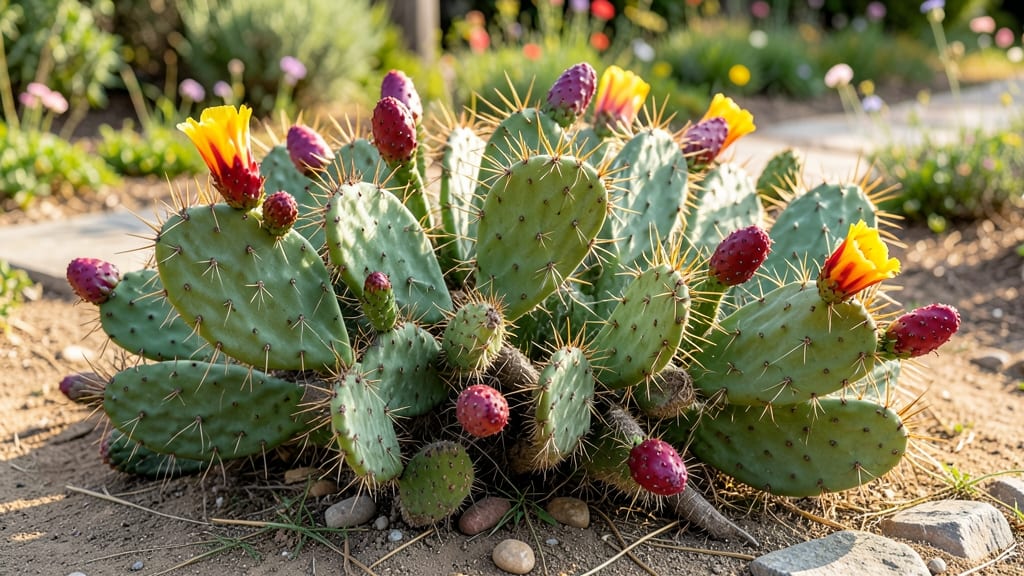
Yes, prickly pear is absolutely a fruit—botanically classified as a berry from the cactus family (Cactaceae)—with a sweet, tangy pulp packed with nutrients, all protected by its signature spiky exterior. This edible cactus fruit thrives on nopal plants and holds cultural significance in both food and traditional medicine across regions.
When you hear "berry," you might picture something small and smooth, but prickly pear defies that image entirely. 🌵 The key lies in its botanical definition: a berry develops from a single ovary with seeds embedded in fleshy tissue, and that's exactly what prickly pear delivers.
Its tough outer skin hides vibrant magenta or red pulp that's not only delicious but also rich in antioxidants, fiber, and even vitamin C. What's fascinating is how this fruit evolved to survive harsh desert conditions—its spines deter animals while protecting the nutrient-rich interior.
Beyond its botanical quirks, prickly pear's versatility makes it a standout in kitchens worldwide. You'll find it transformed into everything from refreshing aguas frescas to rich jam recipes, with its natural sweetness cutting through savory dishes beautifully.
The spines might seem intimidating, but with the right techniques—like using tongs or wearing gloves—you can safely harvest and prepare this remarkable fruit for both culinary adventures and health benefits.
💡 In This Article
- Botanical Classification of Prickly Pear as a Berry
- Culinary and Gardening Uses of Prickly Pear Fruit
Botanical classification of prickly pear as a berry
Prickly pear earns its berry classification because it develops from a single ovary with multiple seeds embedded directly in its fleshy interior—a defining botanical trait.
Unlike many fruits that form from multiple ovaries (like strawberries) or have a hard pit (like peaches), prickly pear's structure fits the strict botanical definition of a berry.
Its 1-2 inch oval shape contains hundreds of tiny, black seeds dispersed throughout the sweet pulp, which is why botanists categorize it as a true berry despite its cactus origins.
The cactus family (Cactaceae) is where prickly pear's unique biology shines. Unlike dragon fruit (another edible cactus fruit), which grows from the stem and has a smooth, scaled exterior, prickly pear fruits develop from the plant's flower blooms and are covered in protective spines.
These spines, technically modified leaves called glochids, serve as a natural defense mechanism against predators while protecting the fruit's delicate interior. The fruit's vibrant colors—ranging from bright magenta to deep red—come from anthocyanins, the same pigments found in blueberries and strawberries.
What's fascinating is how prickly pear's berry structure supports its survival in arid environments. The thick, leathery skin minimizes water loss while the fleshy interior stores moisture and nutrients.
This adaptation explains why the fruit remains plump even in 100°F+ temperatures, a trait that sets it apart from many tropical fruits that wilt under similar conditions.
The berry's sweet-tart flavor profile also serves as an evolutionary advantage, attracting animals that help disperse seeds while leaving the protective spines intact.
When comparing prickly pear to other cactus fruits, its berry classification becomes clearer. Dragon fruit, for example, is a berry too but grows from the stem and has a different seed structure (embedded in a jelly-like pulp).
Prickly pear's seeds are freely suspended in its juice, a characteristic shared with true berries like tomatoes and grapes. This structural difference affects how we prepare and consume them—prickly pear's pulp is typically scraped out and used fresh, while dragon fruit is often eaten whole or blended.
Botanists also note that prickly pear's fruit development follows a pericarp structure where all three layers (exocarp, mesocarp, endocarp) remain fleshy—a hallmark of true berries. The exocarp (outer skin) is tough and spiny, the mesocarp (middle layer) is the edible, juicy pulp, and the endocarp (innermost layer) contains the seeds.
This three-layered design is what allows prickly pear to be both a survivalist fruit in nature and a culinary treasure in kitchens worldwide.
Understanding this botanical structure helps explain why prickly pear behaves differently in recipes. Its high pectin content (similar to apples) makes it ideal for jams, while its natural sweetness (about 12-15° Brix when ripe) balances savory dishes beautifully.
The berry classification also means it shares nutritional benefits with other berries, including high levels of antioxidants and fiber that support digestive health.