
Trees
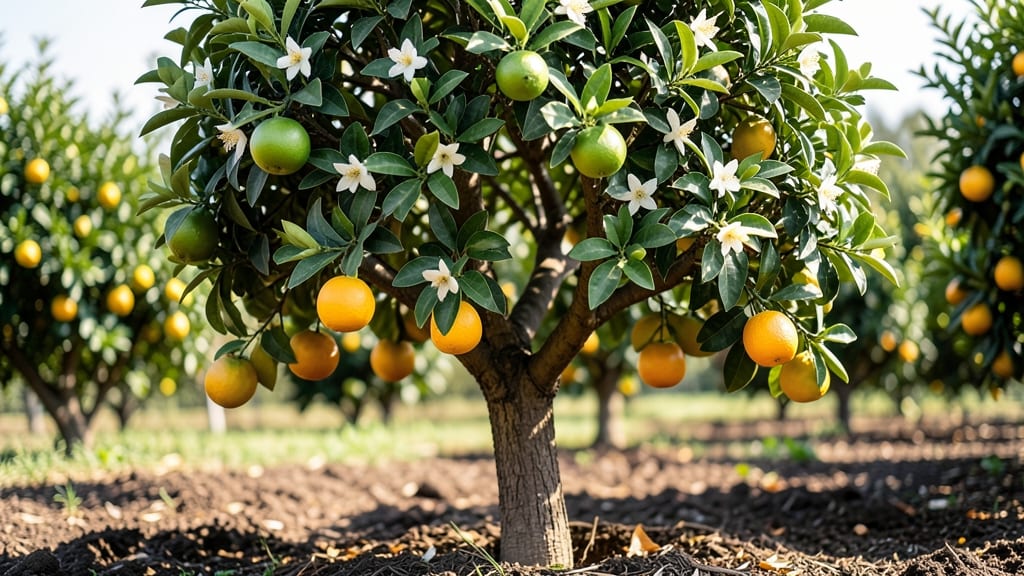
Understanding an orange tree’s fruit cycle 🍊 is the key to unlocking sweet, abundant harvests every season—and avoiding the frustration of sparse or bitter fruit.
Ever wondered why your orange tree produces fruit only every few years—or why some years yield bitter oranges while others deliver sweet, juicy ones?
The answer lies in the precise stages of its fruit cycle, from blossom to harvest, and how tiny shifts in care can make or break your yield.
In this guide, I’ll walk you through the 5 critical stages of an orange tree’s fruit development, including when to expect flowering, how pollination works (yes, even citrus needs it!), and the 6-9 month journey from fruit set to harvest.
You’ll also learn how climate, pruning, and fertilization tweaks can push your tree into producing earlier, larger, and sweeter fruit.
Whether you’re in USDA zones 9b-11 or growing in containers, these insights will help you troubleshoot common issues—like dropped blossoms or stunted fruit—and maximize your tree’s potential year after year.
The 5 key stages of an orange tree’s fruit development cycle
Understanding the orange tree fruit cycle is essential for maximizing your harvest. Each stage—from winter dormancy to fruit ripening—requires specific conditions to ensure sweet, juicy oranges. Without proper care, your tree might bloom but fail to produce fruit, leaving you frustrated.
Let’s break down these critical phases so you can optimize growth and yield.
Most citrus trees, including oranges, follow a predictable annual cycle tied to temperature shifts and daylight hours. In colder climates, container-grown trees may experience delayed or reduced fruiting. Meanwhile, trees in USDA Zones 9b-11 thrive year-round, producing fruit consistently if given the right care.
Knowing these stages helps you time fertilization, pruning, and watering for peak results.
🌱
| Stage | Key Characteristics | Optimal Conditions | Care Tips |
|---|---|---|---|
| 1. Winter Dormancy | Tree rests; minimal growth; prepares for spring blooms. | 50-65°F; reduced watering; no fertilization. | Prune dead branches; monitor for pests. |
| 2. Flowering (Late Winter) | White blossoms appear; requires cross-pollination. | 60-75°F; full sun; light fertilization. | Hand-pollinate if needed; avoid overwatering. |
| 3. Fruit Set (Spring) | Small green fruits form; high drop rate if stressed. | 70-85°F; consistent moisture; balanced fertilizer. | Thin fruits to 4-6" apart; protect from frost. |
| 4. Fruit Growth (Summer-Fall) | Fruits expand; color changes from green to orange. | 75-90°F; deep watering; micronutrients. | Mulch to retain moisture; prune for airflow. |
| 5. Ripening (Fall-Winter) | Fruits soften; sugar content peaks; harvest ready. | 60-75°F; reduce watering; stop fertilizing. | Harvest when color deepens; store at 40-50°F. |
In Stage 1: Winter Dormancy, your orange tree conserves energy, making it critical to avoid overwatering or fertilizing. This 6-8 week rest period (typically December-February) ensures the tree has enough reserves for spring blooming.
If you notice leaf drop or stunted growth, it’s a sign the tree is stressed—likely due to temperature fluctuations or poor drainage.
When Stage 2: Flowering arrives (late winter/early spring), your tree will produce fragrant white blossoms. However, many home gardeners miss that citrus trees often require cross-pollination.
If you have only one tree, consider gently shaking branches or using a small brush to transfer pollen. Frost during this stage can destroy blossoms, so protect young trees with frost cloth if temperatures dip below 28°F.
During Stage 3: Fruit Set, tiny fruits form but are highly susceptible to dropping if the tree experiences heat stress or nutrient deficiencies. This is why thinning fruits (removing excess) is crucial—it ensures the remaining oranges receive enough nutrients to grow large and sweet.
Aim to space fruits 4-6 inches apart on branches for optimal size.
The Stage 4: Fruit Growth phase is where your oranges develop color and size. This period demands consistent moisture—drought stress can lead to bitter fruit or uneven ripening.
Mulching around the base of the tree helps retain soil moisture, while pruning for airflow reduces humidity-related diseases like citrus canker. Avoid heavy fertilization during this stage, as excess nitrogen promotes leafy growth over fruit development.
Finally, Stage 5: Ripening is when your hard work pays off. Oranges transition from green to vibrant orange, and their sugar content peaks.
Harvest too early, and they’ll be tart; wait too long, and they may drop or become overly soft. Valencia oranges typically ripen in late fall, while Navel oranges mature slightly later. Store unripe fruit at room temperature to continue ripening, but never refrigerate until fully ripe.
By mastering these 5 stages, you’ll transform your orange tree from a hit-or-miss producer to a reliable fruit machine. Pay attention to temperature cues, watering needs, and pruning timing at each phase, and you’ll enjoy a b
How climate and care affect orange tree fruit production timing
Your orange tree’s fruit production timing isn’t set in stone—it shifts dramatically based on climate and your care routine. In hot subtropical zones (9b-11), trees may bloom twice yearly, while temperate regions often see just one flush of flowers in spring.
Even within the same zone, watering schedules and fertilization can delay or accelerate ripening by 2-3 months.
For example, Valencia oranges thrive in warm climates and ripen 6-9 months after flowering, while Navel oranges prefer cooler winters and take 9-12 months to mature. Pruning also plays a role—heavy pruning in late winter can stimulate early blooming, but over-pruning may reduce fruit set entirely.
Let’s break down how these factors interact to shape your harvest window.
In hot climates, orange trees often produce two harvests per year—one in fall and another in winter—thanks to consistent warmth and longer daylight. My Valencia trees in Zone 10b yield fruit 6 months after flowering, while Navel varieties take nearly a year.
The key is monitoring soil moisture; even slight drought stress can speed up ripening by 3-4 weeks.
Temperate climates, however, force trees into dormancy, which naturally delays fruit production. If you’re in Zone 8a-8b, expect your tree to bloom in late spring and harvest in late winter/early spring of the following year.
To advance ripening, I’ve had success with light winter pruning (removing only dead wood) and reducing water slightly in fall to signal the tree that winter is coming.
Container-grown orange trees face unique challenges because their root systems are restricted. Without proper care, they’ll produce smaller, less sweet fruit and ripen 1-2 months later than in-ground trees.
To compensate, I fertilize lightly every 6 weeks and water daily in summer. Moving containers to bright, sheltered spots in winter also helps maintain consistent growth.
One of the biggest mistakes I’ve seen is over-fertilizing in summer, which leads to leafy growth but no fruit. Instead, focus on balanced NPK (6-6-6) and micronutrients like zinc—both critical for flowering and fruit set.
If your tree blooms but drops fruit early, it’s often due to inconsistent watering or nutrient deficiencies. Adjusting these factors can shift your harvest window by up to 2 months.