
Fertilization
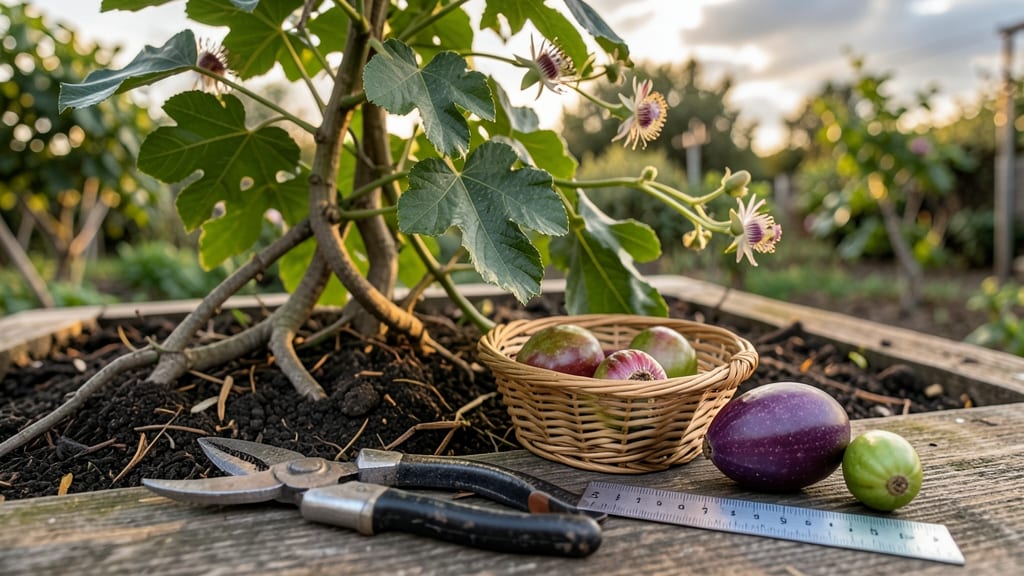
Growing passion fruit of the right size—juicy, golf-ball-sized instead of pea-sized—comes down to two key factors: pruning strategy and pollination timing.
Ever wondered why your passion fruit vines produce tiny, underwhelming fruits instead of juicy, large harvests? The answer isn’t just about soil or water—it’s in how you train the vines and trigger pollination at the right moment.
Some varieties naturally produce bigger fruit, but even the giants need proper pruning to direct energy into fewer, larger fruits. Skipping this step means your plant splits its resources across dozens of small ones.
Below, I’ll show you how to pick the right variety, prune for maximum size, and use simple pollination tricks that can double your fruit development—no fancy equipment needed.


How passion fruit size varies by variety & pruning techniques
If you’ve ever grown passion fruit, you know the frustration of harvesting tiny, underdeveloped fruits instead of golf-ball-sized gems. The truth? Your passion fruit’s size is directly tied to its variety and pruning approach.
Some varieties naturally produce larger fruits, while others thrive with aggressive pruning to redirect energy. Let’s break down how to maximize size through smart vine management.
Not all passion fruit varieties are created equal. The Purple Passionfruit (Passiflora edulis) typically yields fruits around 1.5–2 inches in diameter, while the Granadilla (Passiflora ligularis) can reach 3–4 inches—nearly double the size!
Even within the same species, branch thickness and leaf-to-fruit ratios play a critical role. Thicker branches (over ½ inch) often support larger fruits, but overloading a single branch can stunt growth.
Here’s the game-changer: Aggressive pruning in early spring (before flowering) forces the vine to produce thicker, more robust branches capable of supporting larger fruits. However, prune too late, and you risk sacrificing fruit set entirely. Timing and technique are everything.
| Variety | Avg. Fruit Size | Ideal Pruning Style | Leaf-to-Fruit Ratio | Best Season to Prune |
|---|---|---|---|---|
| Purple Passionfruit | 1.5–2 inches | Moderate (thin weak growth) | 10:1 (leaves:fruits) | Early spring |
| Granadilla | 3–4 inches | Light (preserve thick branches) | 15:1 (leaves:fruits) | Late winter |
| Banana Passionfruit | 2–3 inches | Aggressive (promote new growth) | 8:1 (leaves:fruits) | Early spring + summer |
| Golden Passionfruit | 2–2.5 inches | Minimal (focus on fruit clusters) | 12:1 (leaves:fruits) | Post-harvest (fall) |
For Purple Passionfruit, I recommend a moderate pruning approach—removing only weak or crossing branches to maintain airflow. This variety thrives with a 10:1 leaf-to-fruit ratio, meaning for every fruit, there should be 10 healthy leaves to support its growth.
If you see more fruits than leaves, the vine will struggle to nourish them all, resulting in small, underdeveloped passion fruits.
On the other hand, Granadilla passion fruits demand a gentler touch. Their thick branches can handle larger fruits, but over-pruning reduces their ability to produce energy-rich leaves. Aim for a 15:1 leaf-to-fruit ratio and prune only in late winter to avoid disrupting flowering.
If you’re growing this variety, focus on preserving mature branches—they’re the powerhouses for big, juicy fruits.
Seasonal pruning is non-negotiable. In early spring, I prune my Banana Passionfruit vines aggressively to encourage new, vigorous growth. This variety responds well to summer pruning too, as long as you leave enough leaves to fuel fruit development.
The key? Never prune during peak flowering or fruiting—this is when the vine is already diverting energy to produce fruit, and pruning can cause flowers (and potential fruits) to drop.
One common mistake I see is pruning based on fruit count alone. More fruits don’t equal bigger fruits—it’s the opposite! A vine with too many small fruits is a vine that’s been overloaded.
Instead, thin out clusters to leave only the healthiest, largest buds, and watch as those remaining fruits grow to maximum size. For example, if a branch has 10 buds, keep just 3–4 and prune the rest. This simple trick can double your average fruit size.
Pro tip: Use a sharp, sterilized pruning shears to make clean cuts just above a leaf node. Avoid tearing the bark, as this invites disease and stress. After pruning, apply a balanced fertilizer (5-10-10) to help the vine recover and redirect energy to fruit development.
In 3–4 weeks, you’ll notice thicker branches and larger buds forming—signs your pruning strategy is working.
Don’t forget to monitor your vine’s growth habits throughout the season. If branches are growing too thin (under ¼ inch), they won’t support large fruits. In this case, prune back further to encourage thicker growth next season.
Conversely, if branches are too thick (over 1 inch), they may produce fewer but larger fruits—ideal for varieties like Granadilla.
By matching your pruning style to your passion fruit variety and maintaining the right leaf-to
Pollination triggers that double passion fruit size
Passion fruit vines rely on efficient pollination to produce large, flavorful fruits. Without proper pollination, your vines may set tiny, underdeveloped fruits or even drop flowers entirely. The good news?
You can manually trigger pollination to ensure every flower develops into a golf-ball-sized passion fruit. Whether you're growing Purple Passionfruit or Granadilla, these methods work for all varieties.
Natural pollinators like bees and hummingbirds handle most of the work, but urban gardens or enclosed spaces often lack these helpers. That’s where manual pollination techniques come in. By mimicking nature’s methods—like vibration or wind assistance—you can double your fruit size and yield.
The best time to pollinate is early morning when flowers are fully open and receptive.
🔍 How to Spot Under-Pollinated Flowers: Watch for drooping petals, small or shrunken ovaries, or flowers that fall off prematurely. These are clear signs your passion fruit isn’t getting the pollination it needs. Acting quickly can save the day—and your harvest!
Step-by-Step Pollination Guide
-
Step 1: Choose the Right Time
Pollinate between 7 AM and 10 AM when flowers are fully open and stamens are dry. Avoid rainy or humid mornings. -
Step 2: Identify Male and Female Flowers
Male flowers have 5 petals and stamens; female flowers have a swollen ovary at the base. Focus on female flowers for pollination. -
Step 3: Use a Soft Brush or Cotton Swab
Gently brush stamens from male flowers onto the stigma of female flowers. Use a new swab for each flower to avoid cross-contamination. -
Step 4: Try Vibration Pollination
Gently tap the vine near flowers with your fingers or a small tool to simulate bee wing vibrations, which helps release pollen. -
Step 5: Encourage Natural Pollinators
Plant bee-friendly flowers like basil or marigolds near your passion fruit vine. Avoid pesticides during flowering season. -
Step 6: Monitor and Repeat
Check flowers daily for 3-5 days after pollination. If petals drop without fruit forming, re-pollinate immediately.
For large-scale gardens, consider using a handheld vibrating tool or even a small electric toothbrush to pollinate dozens of flowers in minutes. This method mimics how bees vibrate flowers to release pollen, ensuring consistent fertilization. Just be sure to sterilize your tool between uses to prevent disease spread.
Once you’ve mastered manual pollination, keep an eye out for fruit set. A successfully pollinated flower will develop a small marble-sized ovary within 24-48 hours. Over the next 6-8 weeks, this ovary will grow into a juicy, golf-ball-sized passion fruit—worth every extra effort!
Pro tip: Thin out excess fruits once they reach ping-pong ball size to ensure the remaining fruits get all the nutrients and energy they need to reach maximum size. This simple step can increase individual fruit size by up to 50%! 🌱