
Trees
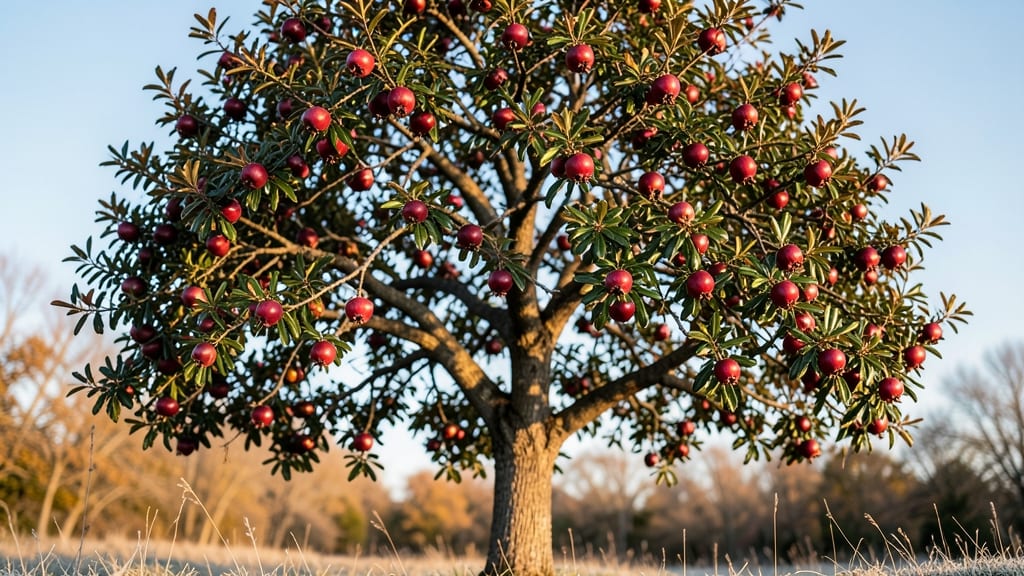
Georgia’s diverse climate—from humid summers to chilly winters—demands fruit trees that balance productivity with resilience. These 10 cold-hardy varieties not only survive but thrive year-round, offering bountiful harvests with minimal fuss for home gardeners.
Peach Trees for Georgia’s Humid Climate
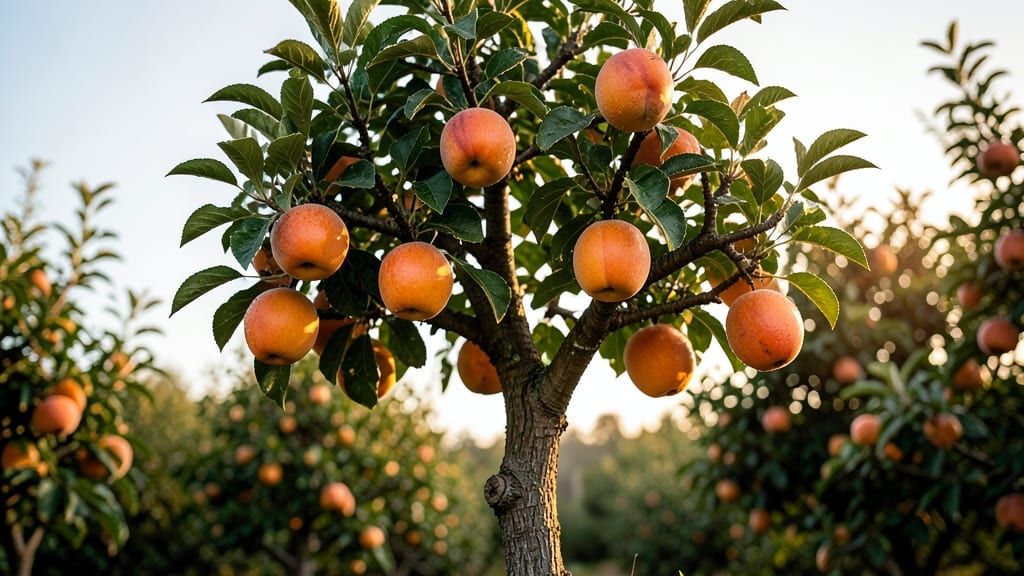
Georgia’s sweltering summers and muggy air can wilt many fruit trees—but dwarf peach varieties like 'Redhaven' and 'Elberta' thrive in this climate, offering sweet rewards without the fuss. These compact trees resist brown rot, a common fungal disease in humid regions, and produce juicy fruit even when temperatures soar.
Plant them in well-draining soil with full sun exposure (at least 6 hours daily) and space them 10–15 feet apart for airflow. Container growing is possible with 20-gallon pots—just ensure drainage and fertilize monthly during fruiting season. Prune in late winter to shape the tree and remove diseased branches, keeping the canopy open to prevent humidity-related issues.
Perfect for urban gardeners, small backyards, or even balconies, these peaches deliver year-round enjoyment with minimal space. Their early maturity (as soon as the first year) makes them a quick, satisfying investment for Georgia’s climate. 🌻
Fig Trees Perfect for Georgia’s Warm Winters
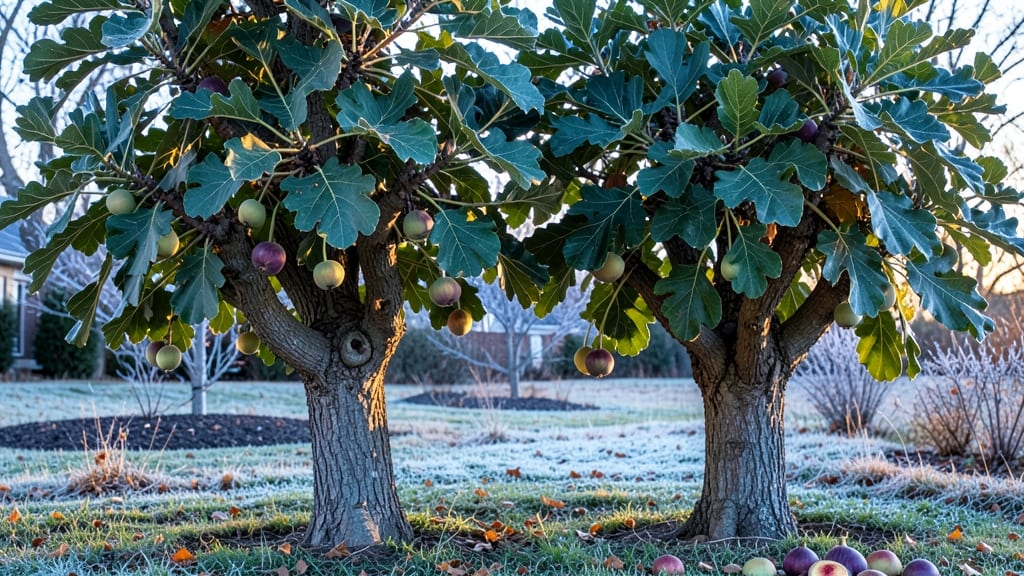
Skip the fuss of seasonal fruit trees—fig trees like 'Celeste' and 'Brown Turkey' deliver sweet, homegrown fruit year-round in Georgia’s mild winters. Unlike tropical varieties, these cold-hardy types survive brief freezes (down to 15°F) and reward you with harvests from summer through fall—and sometimes even winter!
Plant them in full sun with well-draining soil, and watch them thrive with minimal care. Prune lightly in late winter to shape the tree, and protect young trees with a light frost cloth during unexpected cold snaps. Once established, they’re drought-tolerant and resist most pests, making them ideal for both rural and urban gardens.
Perfect for beginners or busy gardeners, these figs offer low-maintenance perennials that keep producing for decades—no replanting required. 🌱
Pecan Trees for Georgia’s Sandy Soils
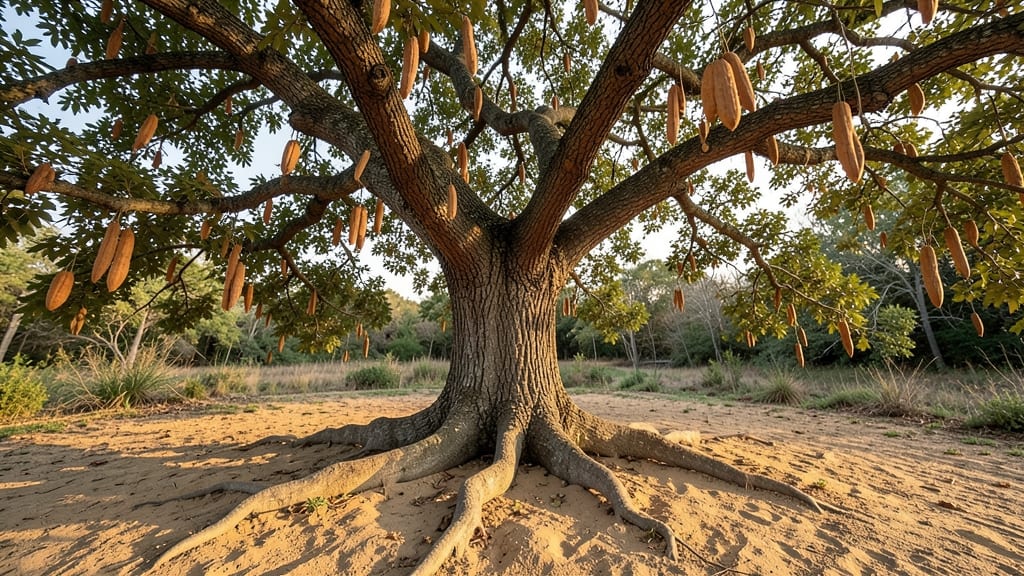
Georgia’s sandy soils can be tricky for fruit trees, but pecan trees like the native 'Desirable' or 'Elliot' varieties thrive here naturally. These hardy trees are uniquely adapted to sandy, well-drained soils, making them a perfect match for Georgia’s coastal plain regions.
Once established, pecan trees develop deep roots that tap into water reserves, making them drought-resistant after their first few years. They also produce high-quality nuts with minimal pest pressure, thanks to Georgia’s climate. Plant them in full sun with at least 6 hours of direct sunlight daily for optimal growth and nut production.
Perfect for homeowners with sandy soils, pecan trees offer both practical benefits and delicious rewards. Their low-maintenance nature makes them ideal for those who want a productive tree without constant upkeep. 🌱
Blueberry Bushes for Georgia’s Acidic Soil
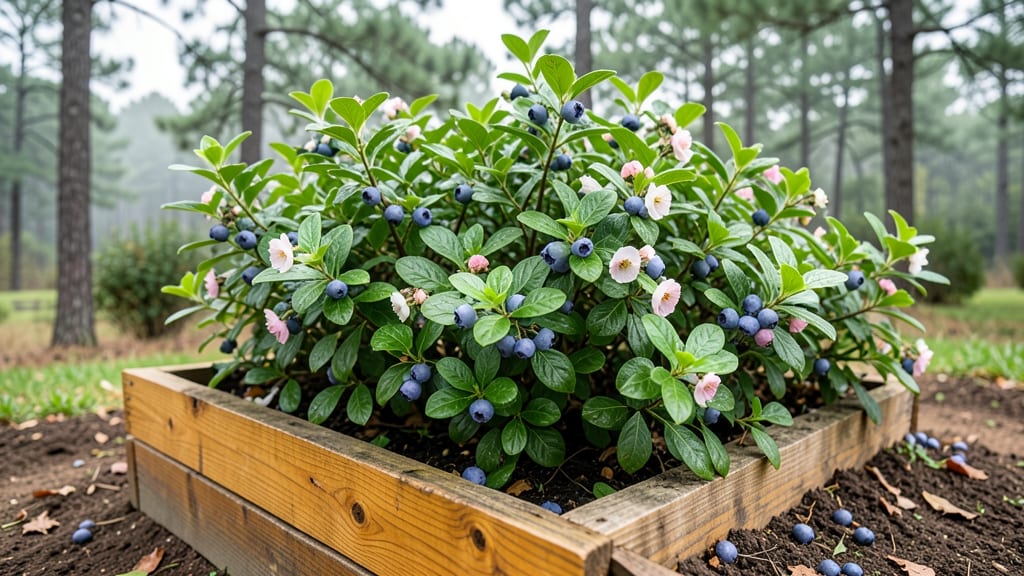
Looking for a low-maintenance fruit plant that thrives in Georgia’s naturally acidic soil? Southern highbush blueberries like 'Climax' and 'Premier' are your perfect match—producing sweet, antioxidant-rich berries from late spring through fall with minimal fuss.
These varieties love Georgia’s pH 4.5–5.5 soils and tolerate heat better than northern types. Plant in full sun with 1–2 feet of mulch to retain moisture and acidity, and space bushes 4–5 feet apart for airflow. They’re also pollinator magnets, attracting bees and butterflies while providing shade-tolerant ground cover.
Ideal for small gardens, urban yards, or pollinator-friendly landscapes, these bushes reward you with year-round interest—from fragrant spring blooms to vibrant fall foliage. 🌿
Persimmon Trees for Georgia’s Drought Conditions
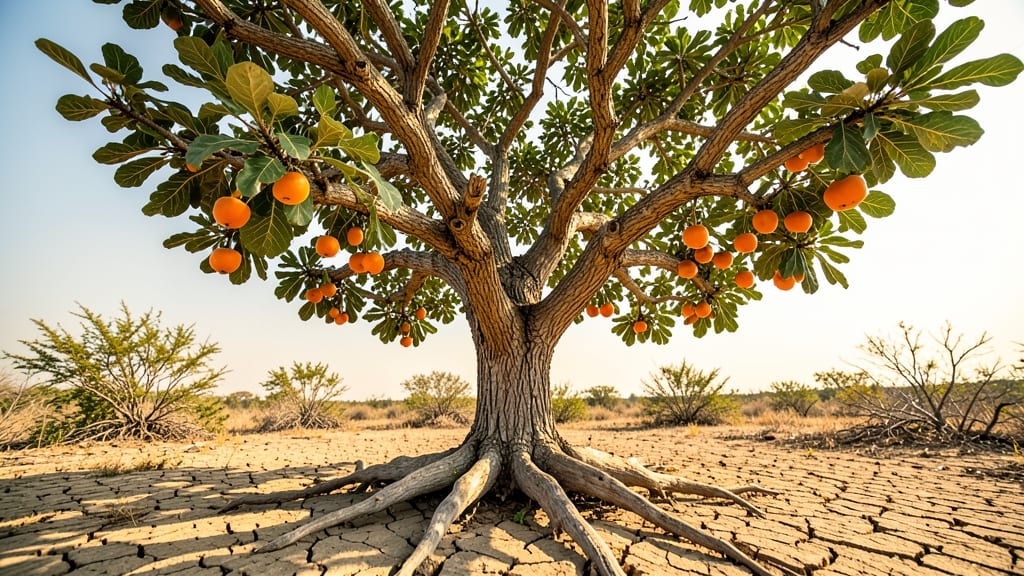
If you’re tired of watering thirsty fruit trees during Georgia’s brutal drought summers, persimmon trees are your game-changer. These native and Asian varieties thrive on neglect, producing sweet, orange fruit while demanding little more than occasional rainfall once established.
American persimmons (like 'Meader') are cold-hardy and drought-tolerant, while Fuyu persimmons offer early harvests with minimal care. Both varieties handle Georgia’s poor, rocky soils and require no special fertilizers. Plant in full sun for maximum fruit production, and watch them flourish with almost no effort.
Perfect for rural homesteads or urban lots with limited irrigation, persimmons reward patience with abundant, pest-resistant fruit—ideal for gardeners who want beauty and bounty without the upkeep. 🌟
Plum Trees Resistant to Georgia’s Heat Stress
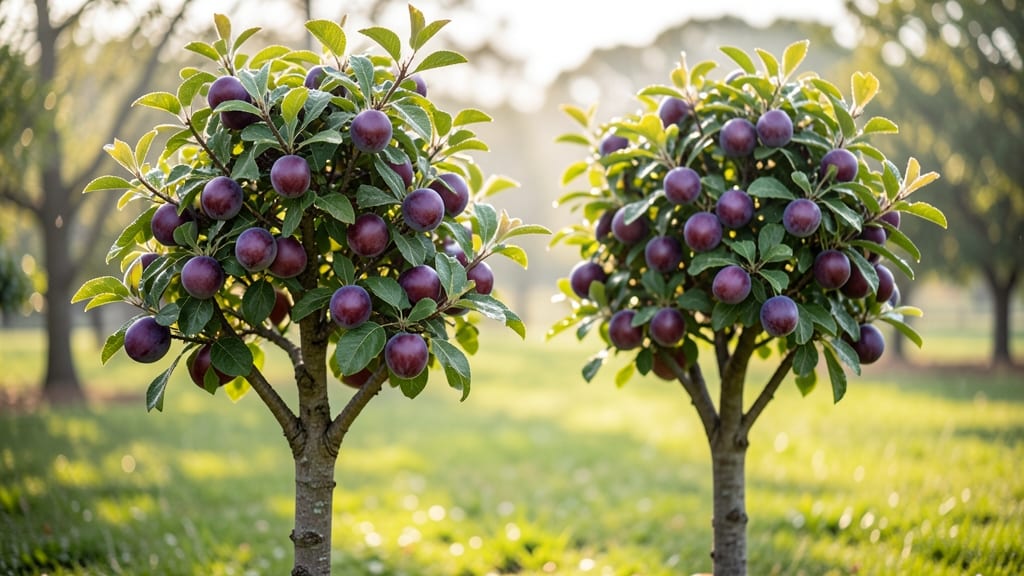
If you're craving early-season fruit without the hassle of heat-sensitive varieties, dwarf 'Santa Rosa' or 'Methley' plums are Georgia’s secret weapon. These compact trees produce sweet, juicy plums as early as late May, beating the summer heat while most other fruit trees are still struggling to ripen.
What makes them stand out? Their heat tolerance means fewer cracked fruits—a common issue with traditional plums—and their dwarf stature (6-8 feet tall) makes them perfect for urban gardens, balconies, or even large containers. Plant them in full sun with well-draining soil, and mulch heavily to retain moisture during Georgia’s scorching summers. 💡
Urban gardeners and small-space growers will love how these plums deliver high yields with minimal space, while their early harvest gives you a taste of summer before the heat peaks. 🌻
Muscadine Grapevines for Georgia’s Humidity
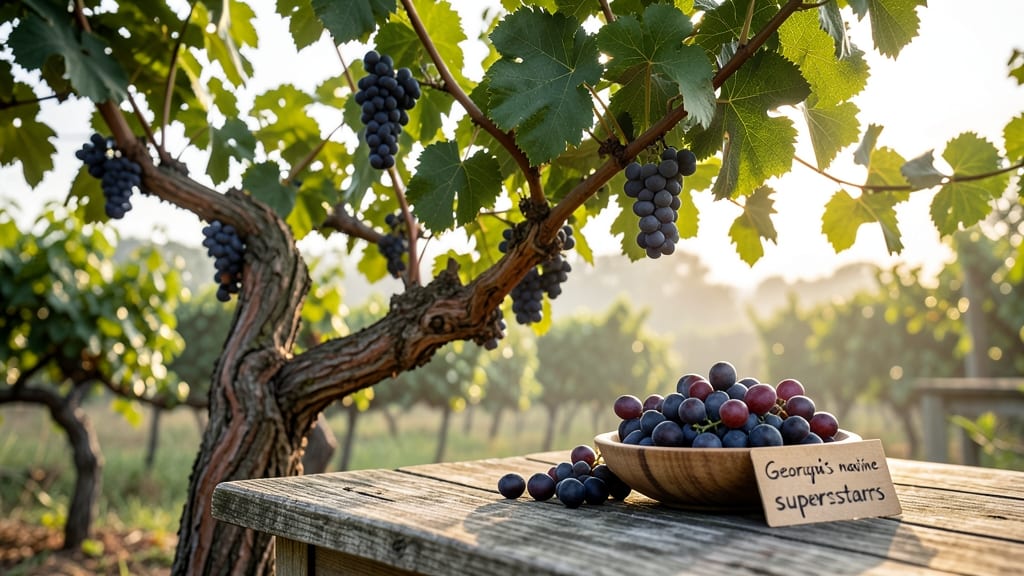
Skip the fuss of chemical sprays and welcome muscadine grapevines—Georgia’s native superstars that thrive in humidity while producing sweet, seedless grapes perfect for jams or fresh snacking. Unlike finicky European grapes, these vines resist disease and pests naturally, making them ideal for organic gardeners.
Plant 'Scuppernong' or 'Carlos' varieties in well-drained soil with full sun to partial shade, and watch them flourish with minimal care. Their thick skins protect against cracking, and the vines grow vigorously on trellises or arbors, adding both fruit and beauty to your landscape. Harvest in late summer for a bounty that’s pesticide-free by design.
Perfect for homesteaders, permaculture gardens, or anyone tired of fighting fungal diseases, muscadines deliver year-round rewards with almost no effort. 🌿
Apple Trees for Georgia’s Short Growing Season
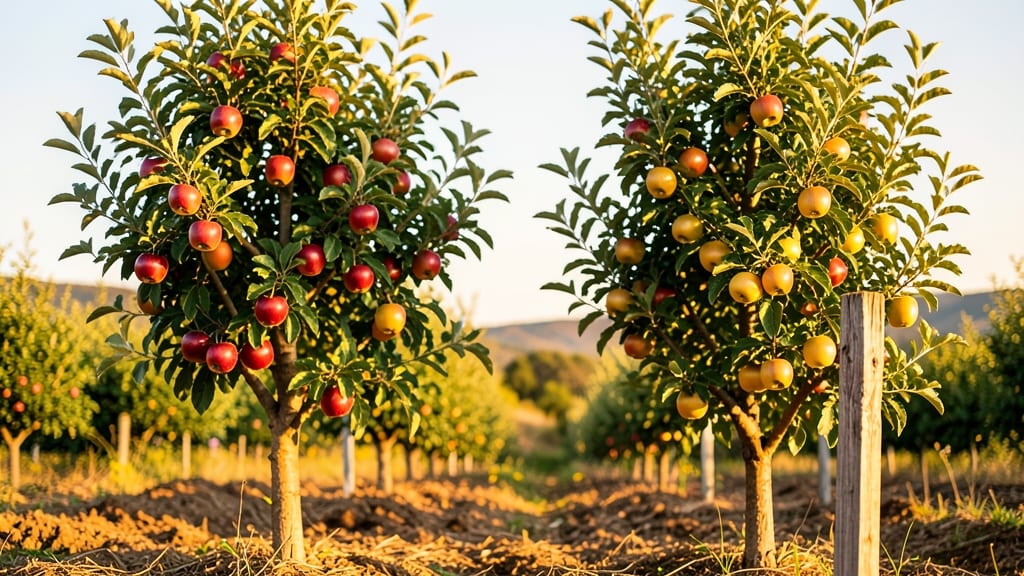
If Georgia’s short growing season has you skipping apple trees, think again—'Akane' and 'GoldRush' varieties are built for your climate. These cold-hardy apples ripen in just 80-90 days, beating the heat before summer’s peak intensity, while still delivering sweet, crisp fruit.
Both varieties tolerate Georgia’s brief winters down to 15°F, making them perfect for backyard orchards. Plant them in well-draining soil with full sun (at least 6 hours daily) and space trees 15-20 feet apart for airflow. Prune in late winter to encourage strong growth, and watch for apple scab—treat preventatively with copper spray if needed.
These apples are ideal for small spaces or urban gardens, offering reliable harvests with minimal fuss. Perfect for homesteaders or families wanting fresh fruit without the long wait! 🌟
Pawpaw Trees for Georgia’s Woodland Gardens
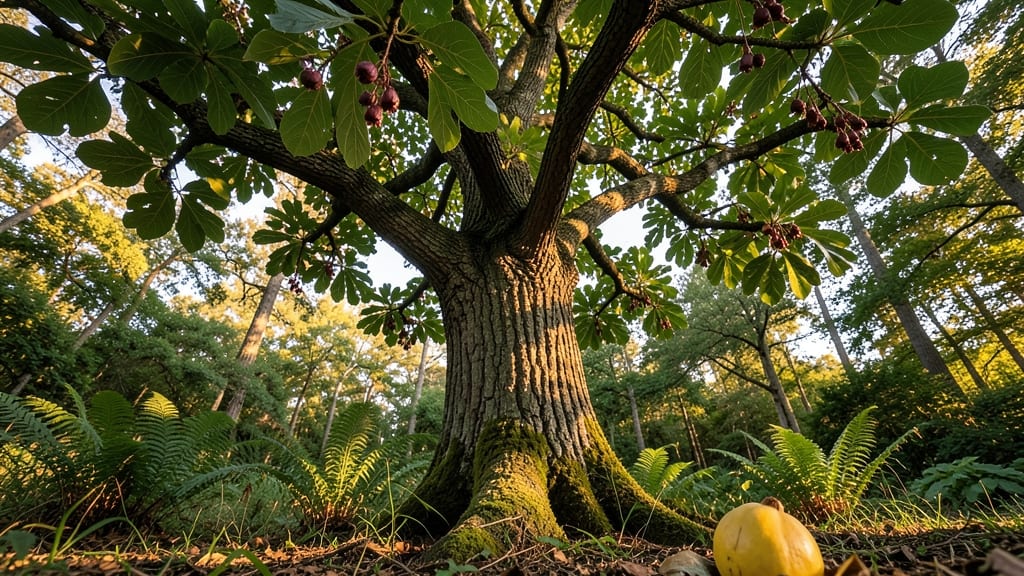
If you’ve ever craved a taste of the tropics without the travel, pawpaw trees (Asimina triloba) deliver Georgia’s own native treasure. These understory giants flourish in the shady, moist woodlands where most fruit trees struggle, producing custard-like fruit that’s sweeter than mango when ripe.
Plant them in partial shade with well-draining, slightly acidic soil—no fertilizers or pesticides required. Pawpaws self-pollinate and attract pollinators like bees and flies, while their fallen fruit feeds wildlife. Mature trees yield 50-100 pounds of fruit annually, perfect for smoothies, ice cream, or fresh eating. 🌱
Pomegranate Trees for Georgia’s Mild Winters

Looking for a fruit tree that thrives in Georgia’s mild winters while adding bold color to your landscape? The 'Wonderful' pomegranate delivers vibrant red fruit and striking foliage, even when temperatures dip into the 20s°F. Unlike many tropical fruit trees, this variety is surprisingly cold-hardy once established.
Plant in full sun with well-draining soil, and water regularly until roots establish (about 1-2 years). After that, it’s drought-tolerant, making it perfect for Georgia’s hot summers. Prune in late winter to shape the tree and remove dead branches—just avoid heavy pruning when flowers appear in spring. The edible seeds inside the ruby-red arils are a bonus for pollinators and wildlife.
This tree is ideal for gardeners who want year-round interest: glossy green leaves in summer, fiery red fruit in fall, and winter branches that add texture to bare landscapes. Plus, the fruit’s sweet-tart flavor makes it a standout for fresh eating or garnishes. 🌻