
Fertilization
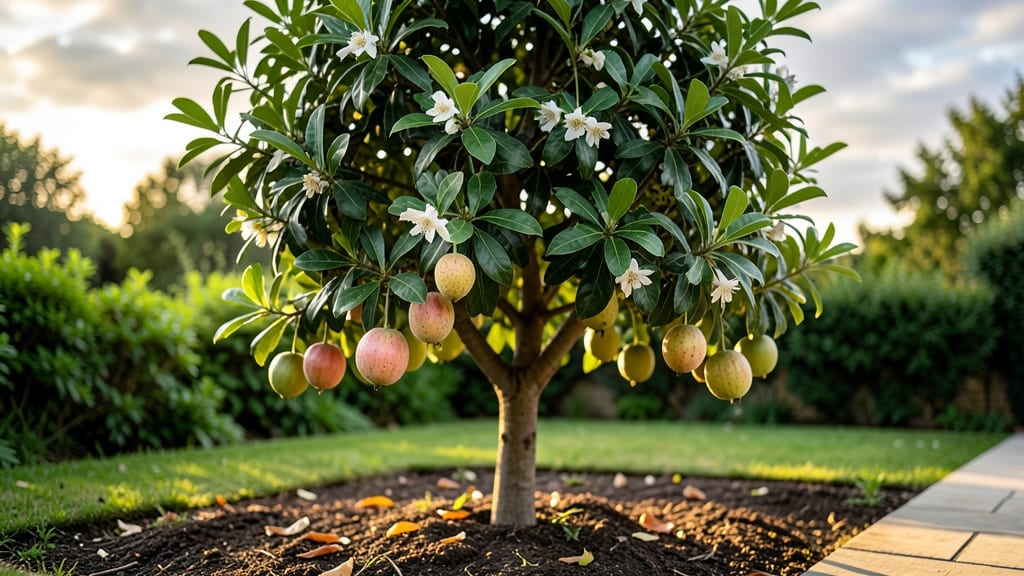
Guava fruit grows primarily in tropical and subtropical regions worldwide, with major production centers in India, Brazil, Mexico, and across Southeast Asia. These areas provide the warm temperatures, high humidity, and well-drained soils that guava trees need to thrive and produce abundant fruit.
Guava trees love heat and moisture, which is why you'll find them flourishing in countries near the equator. 🌴 In India, for example, the monsoon season actually boosts production by providing the extra humidity these trees crave.
I've seen home gardeners in Florida and California achieve success by mimicking these conditions with drip irrigation systems during dry spells. The key is replicating that tropical environment—whether you're growing commercially or just adding a tree to your backyard.
What makes guava cultivation so widespread is its adaptability within these climate zones. While they prefer temperatures between 68-95°F, many varieties can tolerate brief dips into the 50s°F range.
The soil needs to be rich in organic matter but must also drain quickly to prevent root rot—a common issue in heavy clay soils.
Many tropical regions naturally provide this balance, which is why you see guava orchards thriving in places like Thailand and Pakistan alongside the more famous production hubs.
💡 In This Article
- Climate and Soil Requirements for Guava Cultivation
- Top Guava-Producing Countries and Regional Growing Tips
Climate and soil requirements for guava cultivation
Guava trees thrive best in tropical and subtropical climates where temperatures consistently stay between 20-35°C (68-95°F).
This range allows the trees to photosynthesize efficiently while preventing heat stress that could damage leaves or fruit. 🌡️ What's fascinating is how guava trees actually benefit from warm nights—temperatures above 24°C (75°F) at night promote better fruit set and development.
In regions like northern India, where daytime temperatures can exceed 40°C (104°F), guava trees often enter a summer dormancy to conserve energy, only resuming growth during the cooler monsoon season.
The humidity requirements are equally specific. Guava trees prefer 70-80% relative humidity, which explains why they flourish in coastal areas and regions with frequent rainfall. In drier climates like parts of Mexico, farmers use micro-sprinkler systems to maintain leaf moisture, as even slight dehydration can cause premature fruit drop.
The tree's waxy leaves actually help reduce water loss, but they also make the fruit incredibly sensitive to water stress during the final stages of ripening.
Soil pH plays a crucial role too—guava trees prefer slightly acidic to neutral soil with a pH range of 5.5-7.5, which maximizes nutrient uptake, particularly of nitrogen and potassium.
Drainage is where many growers make critical mistakes. Guava trees absolutely hate soggy roots, which is why well-drained soil is non-negotiable. The ideal soil mix combines 60% sandy loam with 30% organic matter (like composted leaves) and 10% perlite or coarse sand for aeration.
In heavy clay soils common in Southeast Asia, farmers often create raised beds to prevent waterlogging. This drainage requirement explains why guava trees do poorly in waterlogged rice paddies—even though they share similar tropical climates.
The root system develops shallow but extensive lateral roots that spread out to 1.5-2 meters (5-6.5 feet) from the trunk, making them particularly vulnerable to poor drainage.
One surprising factor is how wind patterns affect guava cultivation. Trees in open orchards often develop stronger structural support but may suffer from sunburn on exposed fruit in high-UV regions. In Brazil's northeast, growers use windbreaks made of coconut palms to create microclimates that protect both the trees and fruit.
The combination of these climate factors—temperature, humidity, soil, and wind—creates what agricultural scientists call the "guava growing envelope," a specific set of conditions where the trees produce their signature sweet, aromatic fruit with 10-15% higher sugar content than when grown outside these parameters.
Let's talk about how these requirements translate to real-world growing scenarios. In Thailand's central plains, where daytime temperatures average 32°C (90°F) and humidity stays above 75%, guava trees produce fruit year-round with two main harvest peaks: May-June and September-October.
The soil's natural 6.2-6.8 pH and sandy texture create perfect conditions. Meanwhile, in Mexico's Yucatán Peninsula, growers face slightly different challenges with 28-34°C (82-93°F) temperatures but lower humidity (65-75%), requiring more frequent irrigation.
This regional variation explains why you'll find over 100 guava varieties worldwide, each slightly adapted to local climate conditions.
The soil's organic content also influences the fruit's quality. Trees grown in soils rich in decomposed plant matter produce guavas with thicker, more aromatic flesh and fewer seeds—something you'll notice immediately when comparing store-bought guavas to those from home gardens.
The organic matter provides slow-release nutrients that support steady growth throughout the tree's 2-3 year maturation period before first fruiting. This is why commercial growers invest heavily in soil amendments like well-rotted manure and biochar, which improve both drainage and nutrient retention simultaneously.